

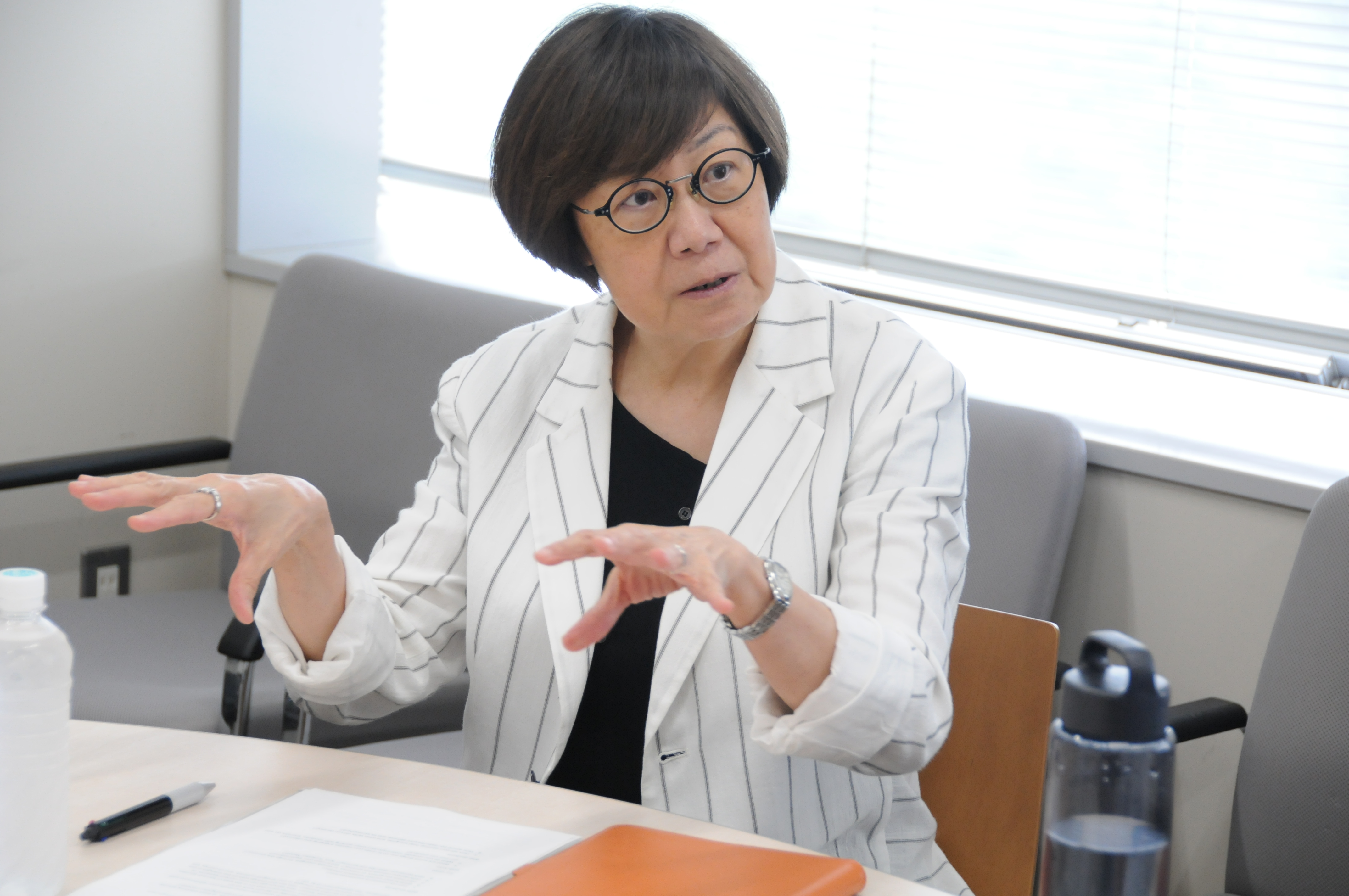
この「出会いメモ」は「ブランディング推進チーム・総長研究室訪問企画」として、Diana Khor総長がグローバル教養学部グローバル教養学科 John MELVIN(ジョン・メルヴィン)准教授およびゼミ生2名にインタビューを行ったものです。
本学は法政大学憲章にて「真に自由な思考と行動を貫きとおす自立した市民の輩出」を社会に約束しています。教育現場ではどのようにその約束が果たされているのでしょうか。この企画では、総長が先生やゼミ生を訪問し、教育への思いやゼミ運営の工夫などを直接伺い、その魅力を広く発信していきます。
「教員だからといって、すべてを知っていると思い込んではいけない」 -- GIS ジョン・メルヴィン先生を訪ねて
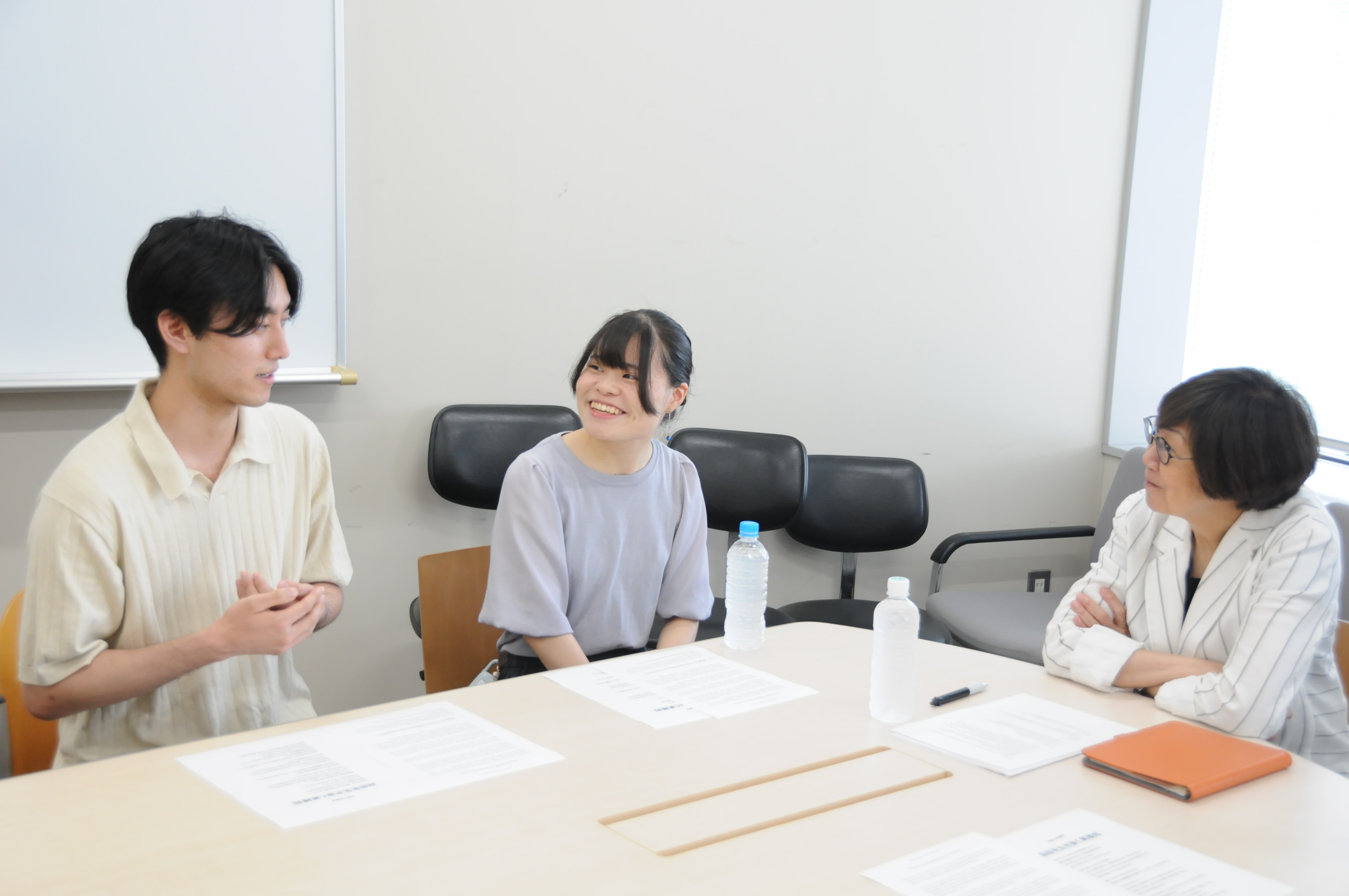
グローバル教養学部(GIS)のジョン・メルヴィン先生と、先生のゼミに所属する二人の学生を訪ねました。今回の訪問は、本学の15の学部を巡る総長訪問シリーズ(総長による15学部訪問企画)の第一回となります。
GISはリベラルアーツ教育を行う学部であり、法政大学の15学部の中で唯一、学部全体のカリキュラムを英語で提供しています。しかし、GISにおける教育と学びの豊かさは、この特色だけでは到底語り尽くすことができません。
メルヴィン先生の研究・教育分野は観光学です。近年の研究では「アイデンティティ」を中心的なテーマとしており、この秋から始まるサバティカル期間中には、カナダの先住民観光を対象に、さらに研究を深める予定です。観光を経済的な分析や影響だけから捉えるのではなく、より幅広い視点から考察することが、先生の授業と研究の大きな特徴です。このアプローチは、GISの学際的な理念ともよく重なっています。
ゼミに所属する二人の4年生も、こうした観光学へのアプローチについて、メルヴィン先生と同様の考えを語ってくれました。ミユウさんは「ダークツーリズム」をテーマに、沖縄を研究対象として選んでいます。戦争が行われ、多くの命が失われた場所を訪れたとき、人々が何を感じるのかを考察しています。ユウゴさんは、鎌倉における「オーバーツーリズム」を研究しています。観光がもたらす経済的効果と、地域住民の暮らしを守ることの両方を大切にしながら、住民と観光客が共存できる接点を探っています。
メルヴィン先生は、研究者としてだけでなく、学生を引き込む授業でも知られています。先生は冗談交じりに、「教師の家系に生まれたので、これはDNAかもしれません」と話していました。
先生の話から、私は教育に携わる者として二つの大切なことを学びました。一つは、教員だからといって、自分がすべてを知っていると思い込まないこと。もう一つは、学生が目の前の物事を問い直すことができるよう促すことです。こうした姿勢が、活気ある双方向の授業、学生同士の学び、そして批判的思考を育んでいます。
実際、メルヴィン先生の授業について尋ねると、ミユウさんとユウゴさんの二人からも、これらの特徴を裏付ける言葉が聞かれました。ミユウさんは、ゼミで得た最も重要な学びの一つとして「批判的思考」を挙げ、ユウゴさんは、学生同士で学び合うことの大切さを強調しました。
また二人は、ゼミでの学びだけでなく、GIS全体での経験と結びつく法政大学憲章の言葉を、すぐにいくつも挙げてくれました。二人は観光を批判的に考察するうえで、「権利」「持続可能な社会」「地域から世界まで、あらゆる立場の人々への共感」が重要であると考えています。
さらに、「自由な学風」「人々の権利を重んじ」「多様性を認め合う」ことがGISでの学びを特徴づけていると話してくれました。それに加えて、「多様な視点」や「真に自由な思考」が大切にされていることも、二人の経験と深く結びついているようでした。
メルヴィン先生と二人の学生、ミユウさん、ユウゴさんとのやり取りを目にし、それぞれの話に耳を傾けながら、GISはまさに「よき師、よき友」が集う場所でもあるのだと感じました。
“As Professors, We Should Never Assume That We Know Everything” — A Visit with Professor John Melvin of GIS
My visit with Professor John Melvin and two of his seminar students in the Faculty of Global and Interdisciplinary Studies (GIS) launches this series of presidential visits to Hosei University’s 15 undergraduate faculties.
GIS offers a liberal arts education and is the only one of Hosei University’s 15 faculties whose entire curriculum is taught in English.Yet this distinctive characteristic alone does not fully capture the richness of teaching and learning within the faculty.
Professor Melvin’s research and teaching are in the field of Tourism Studies, and the issue of “identity” lies at the center of his recent research interests. He plans to pursue this theme by studying Indigenous tourism in Canada during his sabbatical, which begins this fall. His approach to Tourism Studies—one that extends beyond economic analysis and implications—characterizes both his classes and his research and aligns closely with the interdisciplinary focus of GIS.
The two fourth-year seminar students echoed Professor Melvin’s description of this approach to Tourism Studies. Miyu focuses on “dark tourism,” selecting Okinawa as a site for examining how participants feel when visiting places where wars were fought and lives were lost. Yugo studies “overtourism” in Kamakura and explores a possible meeting point between local residents and tourists—one that balances tourism’s economic contribution with the protection of local livelihoods.
Professor Melvin is known not only for his research but also for his engaging teaching style. He jokingly attributed this to his DNA, as he comes from a family of teachers! I took away two important lessons from him: do not assume that you know everything, and encourage your students to question what they encounter. This approach fosters a lively and interactive classroom, peer learning, and critical thinking.
True enough, both Miyu and Yugo referred to these qualities when I asked them about Professor Melvin’s classes. Miyu identified “critical thinking” as one of the most important lessons she had gained from the seminar, while Yugo highlighted the importance of peer learning.
It did not take them long to identify key phrases from the Hosei University Charter that they connected not only with their seminar but also with GIS more broadly. They recognized the significance of “human rights,” “sustainable societies,” and “sympathy for all people, both locally and internationally” in their critical study of tourism. They also felt that a “free academic atmosphere,” respect for “the rights of others,” and the acceptance of diversity characterize their experience in GIS, together with the value placed on “a variety of points of view” and “unrestricted thinking.”
Observing the interactions between Professor Melvin and his students, Miu and Yugo, and listening to their stories, I would say that GIS is also a place where “good teachers and good friends” gather.
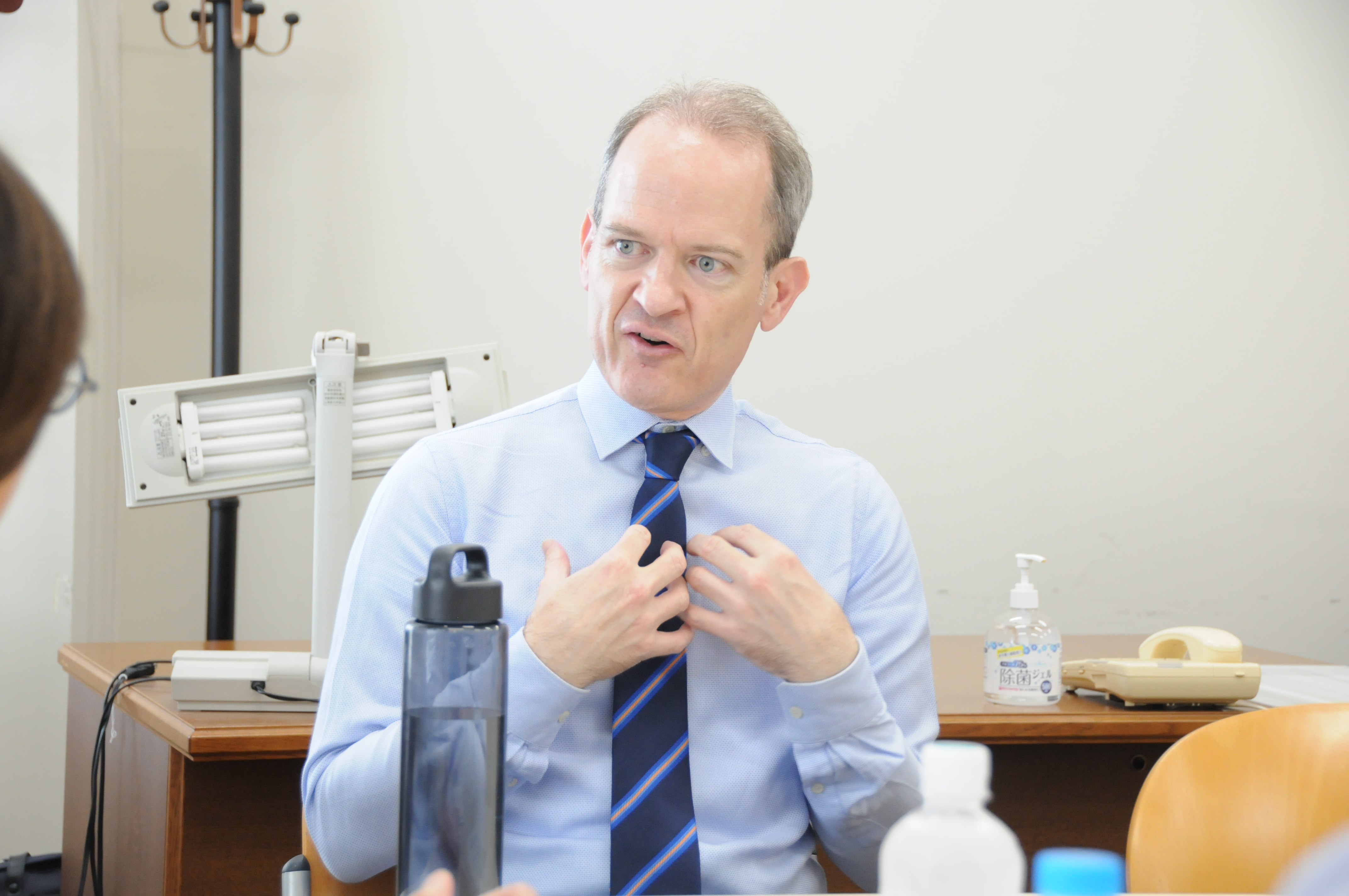
法政大学 グローバル教養学部 グローバル教養学科 准教授 John MELVIN(ジョン・メルヴィン)
1975年、英国エディンバラ生まれ。アバディーン大学にて歴史学および政治学の学士号を取得後、観光マーケティングの修士号を経て、ノッティンガム大学にて博士号を取得。2014年にGIS(グローバル教養学部)に着任し、持続可能な観光経営やマーケティングに関する講義を担当している。
研究分野は、観光におけるマイノリティ(少数派グループ)の理解促進。博士論文では、価値の共同創造(Value Co-creation)に関するマーケティング理論を用いて、家族旅行における体験の分析を行った。
2026年9月からはサバティカル(研究休暇)を利用してカナダ・アルバータ州へ渡り、先住民族観光(インディジナス・ツーリズム)と文化的表象について調査・研究を進める予定である。学生からの信頼も厚く、「ベスト・ティーチャー賞」に4度選出されている。