

この「研究ノート」は「ブランディング推進チーム・総長研究室訪問企画」として、Diana Khor総長が生命科学部生命機能学科 豊岡 博子 専任講師および先生と共に研究を行っている大学院生にインタビューを行ったものです。
本学は法政大学憲章にて「真に自由な思考と行動を貫きとおす自立した市民の輩出」を社会に約束しています。教育現場の実践から、どのように法政ブランドが生み出されているのでしょうか。この企画では、総長が先生やゼミ生を訪問し、教育への思いやゼミ運営の工夫などを直接伺い、その魅力を広く発信していきます。
問いかけること――生命科学部・豊岡先生と二人の大学院生―
最後に生物を勉強したのは、半世紀ほど前のことです。生物は好きな科目でしたが、その後はずっと文系の分野を歩んできました。ですから、豊岡先生から生命科学という分野やご自身の研究について説明していただいた時、ほとんどすべて理解できたことに、自分でも驚きました。とても分かりやすく、興味を引き込まれるお話で、もし当時、豊岡先生のような先生に教わっていたら、生物の道に進んでいたかもしれない、とさえ思いました。
豊岡先生が「生命」を研究する道を選んだ原点には、「根本的な問いを持つこと」があったようです。高校時代、将来の進路を考える中で、哲学に進むか、生物学に進むか、迷われたそうです。そして今、学生にも「問いかけること」を求めています。授業のリアクションペーパーに書くのは、答えや感想ではなく、「質問」。先生はその質問に極力、 授業の中で答えます。学生は、ほかの学生が投げかけた質問を見て、「そんな問いが出てくるのか」と驚くこともあるそうです。
「先生の分野に向いていない学生はいますか」と聞いてみました。「います」と、先生ははっきりおっしゃいました。「私が言っていることを、全部そのまま受け入れる学生ですね。」
なるほど、と思いました。問いを持つことで、自分が本当に何に関心を持っているのかが見えてきます。そして、問い続けることそのものが、頭を動かし、より深く学ぶことにつながっていくのだと思います。
今回一緒に話をしてくれた二人の大学院生は、「問いかけること」がどこまで人を連れていってくれるのかを、まさに見せてくれているようにも感じました。二人とも、これからどのような道に進むか、まだ考えている途中のようでしたが、それぞれの研究テーマに対する純粋な関心、そして何より、研究に向き合う姿勢そのものが、これから先きっと大きな力になると思います。そして、その力はいつか、二人を通して社会にも返っていくのではないでしょうか。
三人がそろって法政大学憲章の次の部分に注目していたことは、私にはとても納得できました。「多様な視点と先見性をそなえた研究に取り組むとともに、社会や人のために、真に自由な思考と行動を貫きとおす自立した市民を輩出します。」自分から研究に向かうこと。自分自身の「もっと知りたい」という気持ちから始まる研究を、自由に追究できる環境。
では、憲章にある「先見性」は、どうすれば身につくのでしょうか。豊岡先生には、その答えもありました。まず観察する。そして、そこから問いを持つ。真剣に向き合っていけば、結果はついてくる。ここで身につけるのは、研究の方法だけではないのだと思います。問題にどう向き合うのか、どう問いを立てるのか、答えがすぐには見えない時に、どう考え、解決への道を探っていくのか。大学を卒業した後も、そうした考え方は、社会のさまざまな課題に向き合う時にきっと生きてくる。そして、より多くの人にとって生きやすい社会をつくることにもつながっていくのだと思います。まさに、「自由を生き抜く実践知」です。
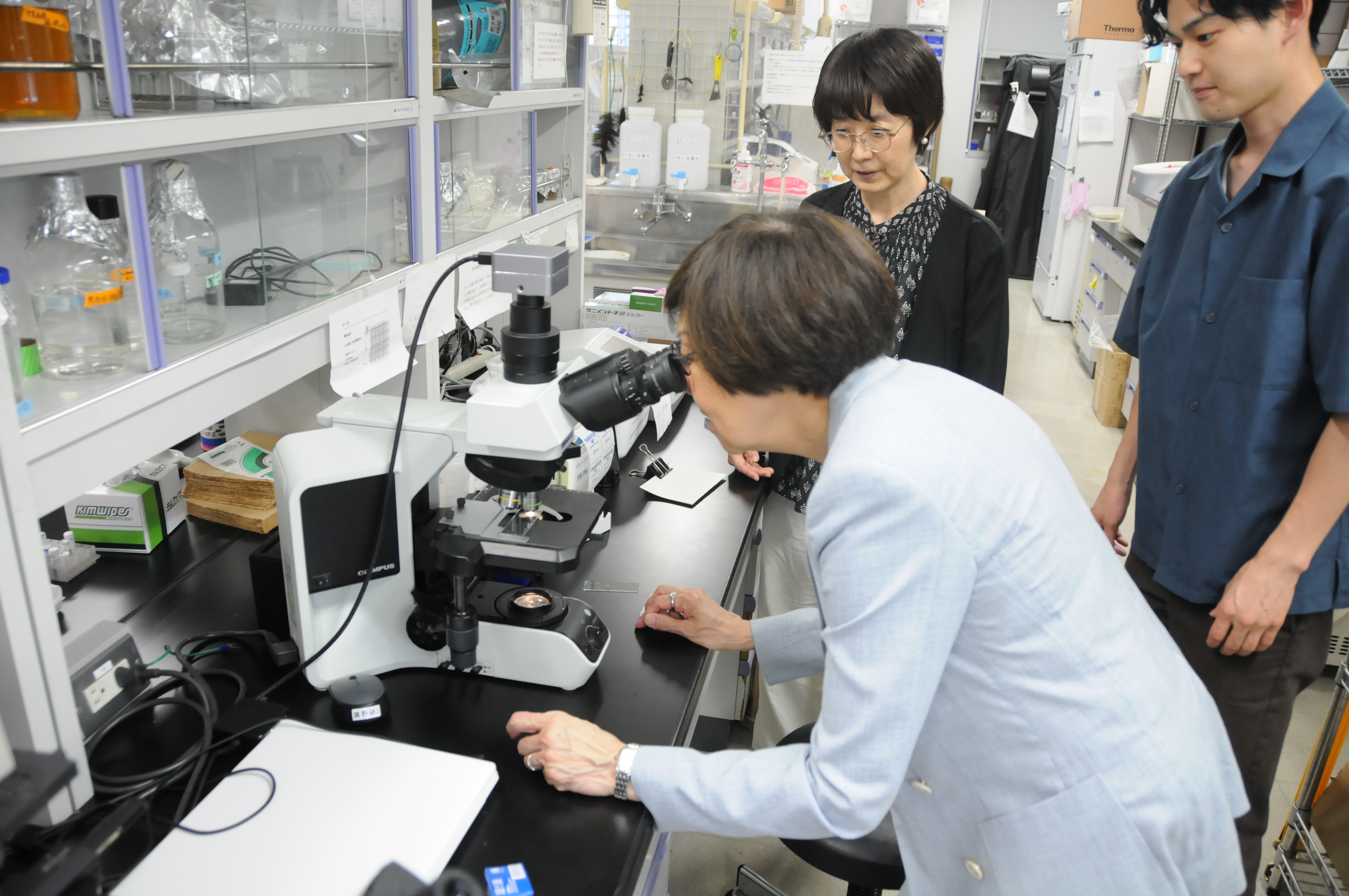
お話を聞くだけでも十分楽しかったのですが、最後には、研究している緑藻の細胞を顕微鏡で見せてもらいました。最初に出た言葉は、「きれい!」でした。ほんの一瞬、まったく違う世界に入り込んだような感覚でした。そんな世界を少しだけ覗かせてもらえたことにも、感謝しています。
Where Questions Lead — Lecturer Toyooka and Two Graduate Students in Life Sciences
It was half a century ago that I last took biology. I liked the subject, but since then my focus has been firmly in the humanities and social sciences. So you can imagine my surprise when I found myself understanding almost everything Lecturer Toyooka said as she explained the field of life sciences and her own research. She made the subject so clear and engaging that I even wondered whether I might have pursued biology had I had a teacher like her.
“Asking fundamental questions” seems to have been key to her decision to study “life.” In high school, when she was trying to decide on her future path, she went back and forth between philosophy and biology. She asks the same kind of questioning of her students today. In her classes, students write questions—not answers or comments—on their reaction papers. She answers almost all of them in class , and students are sometimes surprised by the questions their classmates ask.
I asked her whether there are students who are simply not suited to her field. “Yes,” she said quite clearly: “students who simply accept everything I say.”
Indeed, asking questions not only helps us discover what genuinely interests us; it also keeps the mind active and leads to better and deeper learning.
Perhaps the two graduate students who joined our discussion are living examples of just how far asking questions can take you. While both are still exploring where their paths may lead, their genuine interest in their research projects—and, just as importantly, their approach to research—will serve them well. And through them, I believe, society will benefit too.
I was not surprised that all three were particularly drawn to these few lines in the University Charter: “… support research from a variety of points of view and educate students to become independent citizens who carry out their work for society and the people based on well-grounded principles and unrestricted thinking.”
A self-motivated, self-initiated approach to research; an atmosphere that encourages people to pursue research that begins with a genuine desire to “know more.” Professor Toyooka also had an answer to the question of how one cultivates foresight: begin with observation, and from there, ask questions. If you commit yourself to it, the results will follow.
What students learn here is not just how to do research, but how to face problems, ask better questions, and work toward solutions when the answers are not obvious. And when they leave the university, that way of thinking can help them take on social problems and challenges, and contribute to making society more livable for more people. This is, quite literally, “Practical Wisdom for Freedom.”
The conversation itself was a treat. But to top it off, I had the chance to peer through a microscope at the green algae cells they were studying. My first reaction was simply: they were beautiful. For a moment, it felt as though I had entered an entirely different world. I was very grateful to have been given that glimpse into it.
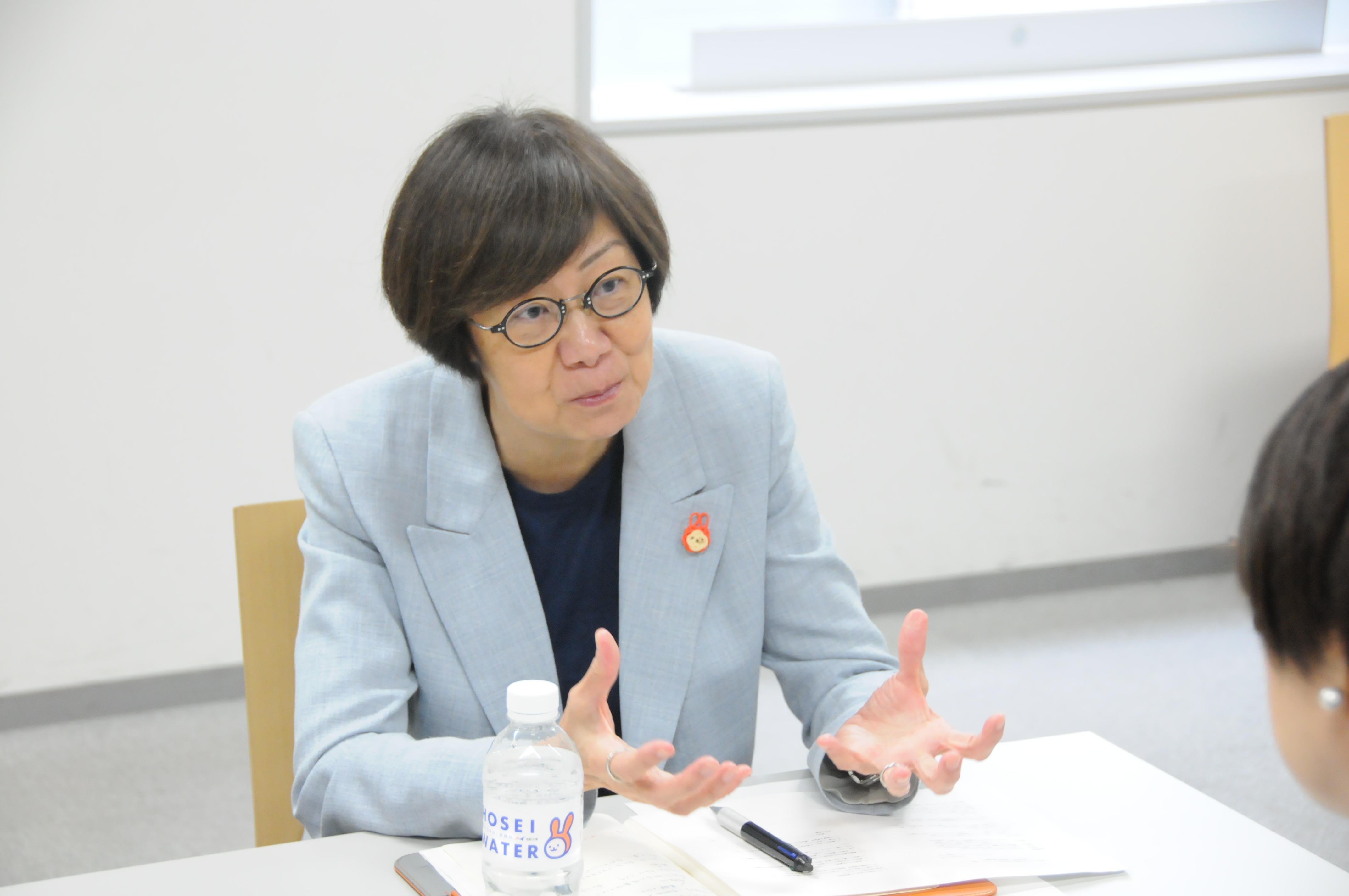
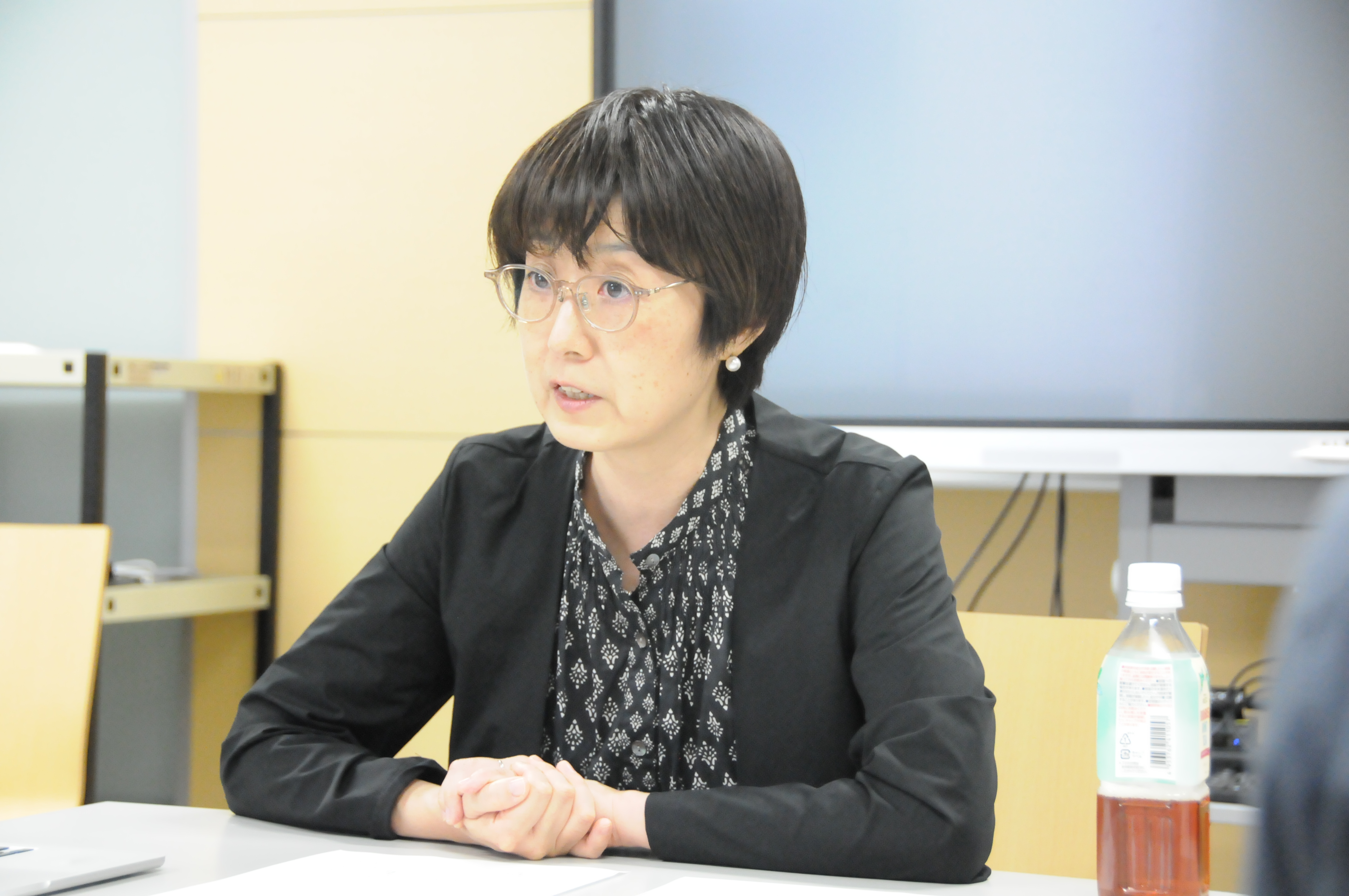
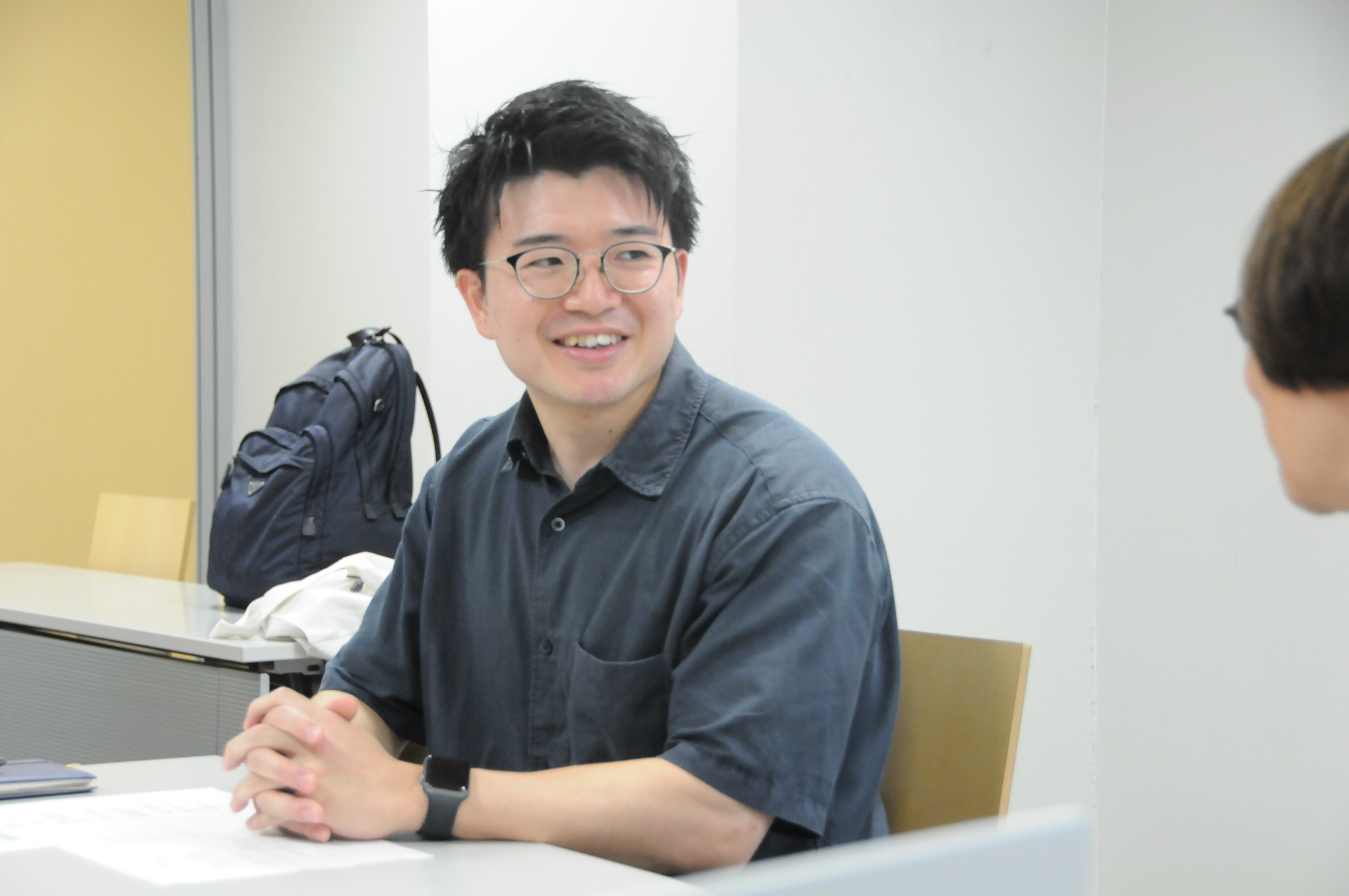
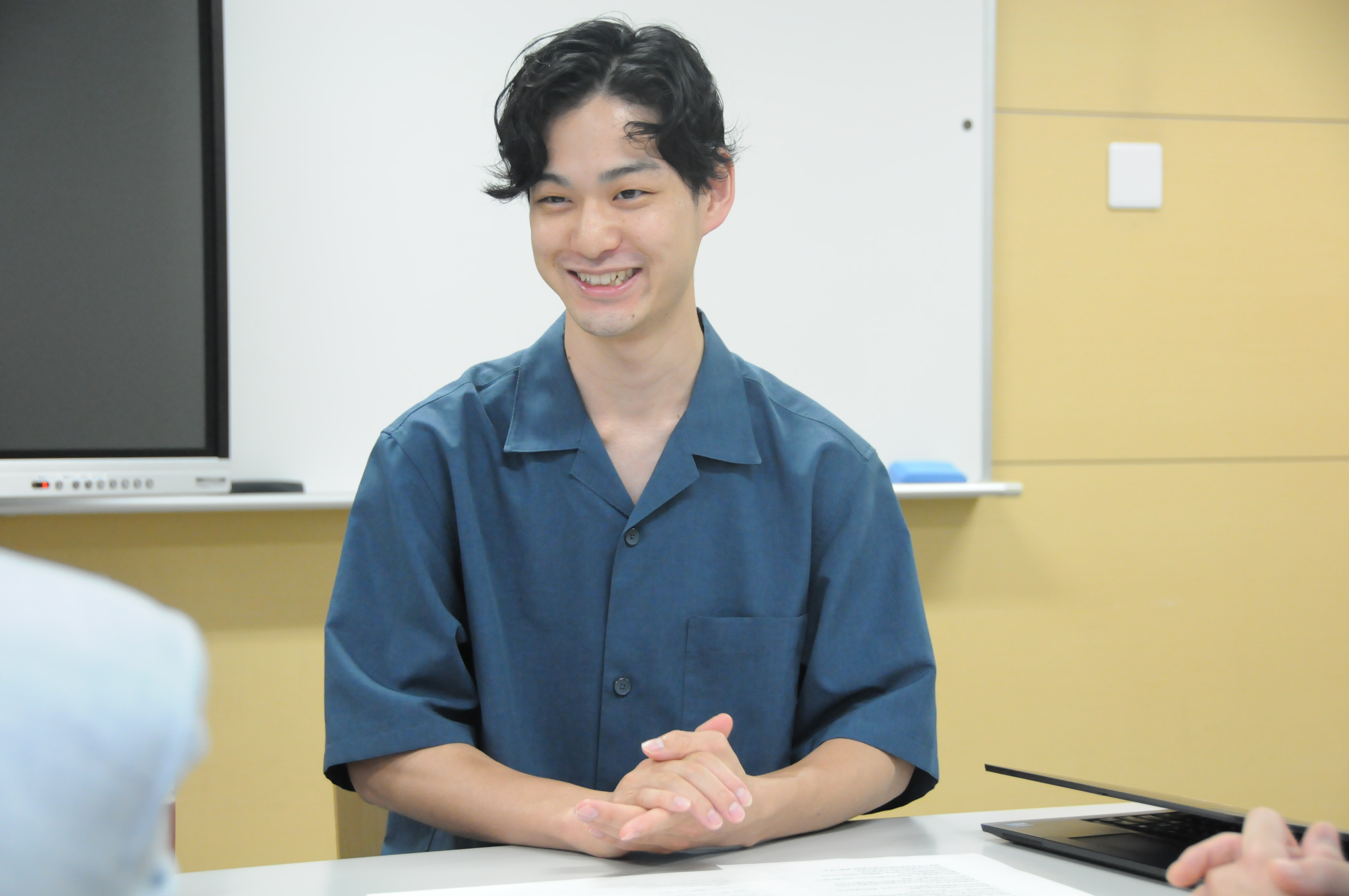
法政大学 生命科学部 生命機能学科 専任講師 豊岡 博子
1974年、静岡県清水市(現静岡市清水区)生まれ。神奈川県川崎市で育つ。
2004年、東京都立大学大学院理学研究科博士課程修了。博士(理学)。日本学術振興会特別研究員、理化学研究所ユニット研究員、東京大学大学院理学系研究科特任研究員、法政大学生命科学部教務助手を経て、現在は同学部専任講師。
緑藻のボルボックスの仲間を研究材料として、卵や精子などの配偶子がどのようにつくられ、出会い、受精するのか、また、こういった仕組みがどのように進化してきたのかを解き明かすことを目指している。