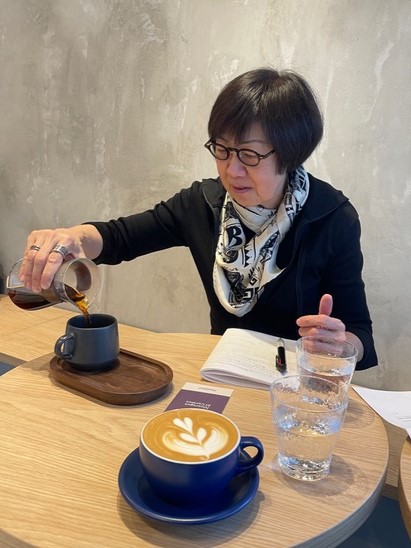
私は、どちらかといえば、長期の休暇よりも、日常の中の短い休みを大切にするほうです。忙しい週の合間にカフェで短い休憩を取ったり、友人とゆっくり食事をしたりするだけでも、気分転換やリフレッシュには十分です。このような個人的な感覚は、組織における効果的なワーク・ライフ・バランス施策の立案において、どのような意味を持つのでしょうか。その答えを示すのがキャリアデザイン学部の梅崎修教授です。
労働経済学を専門とする梅崎教授は、「休暇」と「働き方」に関する研究に取り組み、ワーケーションや職場での休憩時間など、さまざまな休暇の形態が創造性やウェルビーイングにどのような影響を与えるのかを明らかにしてきました。梅崎教授は、創造性に富んだ人材を育成するには休息が不可欠であり、それは今後の日本企業においてますます重要になると述べています。また、休暇には人とのつながりを深める側面と、自分自身と向き合う内省の時間という二つの側面があり、そのいずれもが精神的健康やイノベーションにとって重要であることを、研究を通じて明らかにしています。さらに、オフィスデザインやキャリア教育についても研究を行い、企業との連携を通じて、より良い職場環境の実現に向けて研究成果を実社会に活かすことを目指しています。
関連リンク
I am not inclined to take long vacations. A short break at a café in a busy week or a leisurely dinner with friends is sufficient to refresh and recharge. But what does this mean beyond the personal level—for example, when designing an effective work-life balance policy for an organization? Professor Osamu Umezaki from the Faculty of Lifelong Learning and Career Studies has the answer.
A labor economist, Professor Umezaki studies vacation and work, examining how different types of leave, including workations and office break times, affect creativity and well-being. He explains that rest is essential for nurturing creative talent, which is increasingly important for Japanese companies. His research shows that vacations involve both social connection and personal reflection, and that both are vital for mental health and innovation. In addition, he studies office design and career education and aims to apply his findings in actual workplaces by collaborating with companies to create better work environments.
Related links (in Japanese)