応援団の皆さん
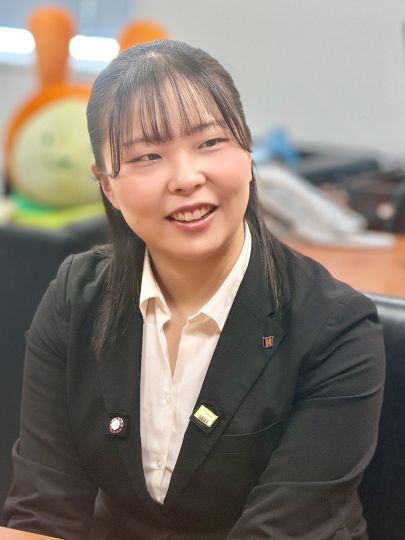
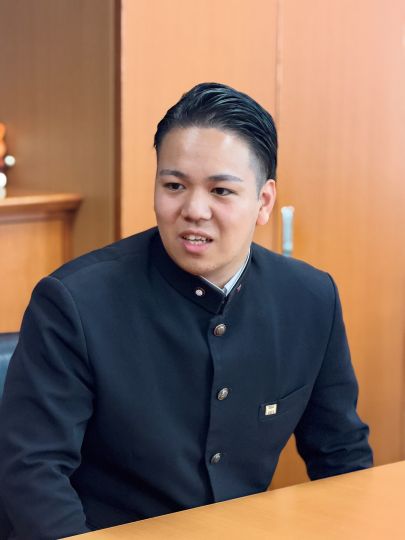
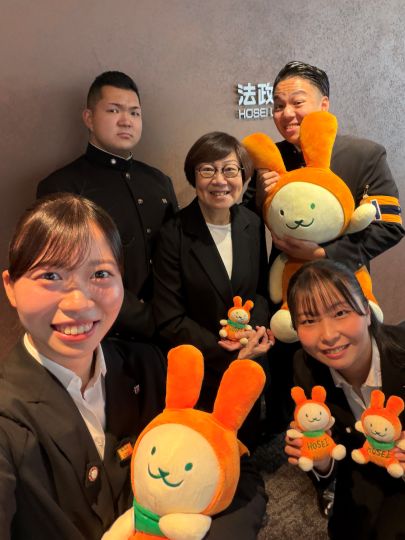
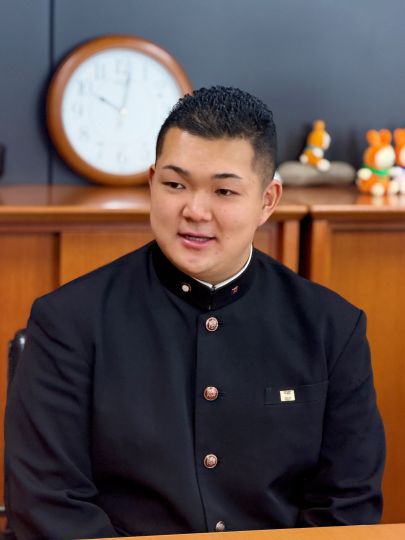
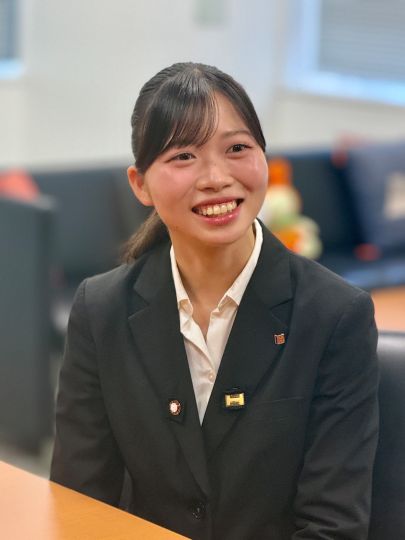
法政大学応援団は、リーダー部、チアリーディング部、吹奏楽部の3部で構成されています。先日、団長、チアリーディング部の責任者、吹奏楽部の責任者と副責任者とお話しする機会があり、応援に対する思いや、リーダーシップについて聞かせてもらいました。
私の執務室に入って、皆さんが最初に気づいたことの一つが、飾ってあるえこぴょんのコレクションでした。そして、「応援団バージョンがないですね!」という一言。何気ない言葉でしたが、そこからも応援団の一員であることへの誇りが感じられました。
印象的だったのは、皆さんが「パフォーマンス」と「応援」をはっきり区別していたことです。応援には、パフォーマンスとは異なる意識や目的があるといいます。自分たちが良いパフォーマンスをすること自体が目的ではなく、大切なのは応援する相手、つまり選手たちや、一緒に声援を送る観客の皆さんです。ダンスも、演奏も、掛け声も、すべては相手に元気や勇気を届けるためのもの。その一人が表現してくれたのが、「黒子精神」という言葉でした。自分たちは裏方に徹し、ほかの人たちが輝けるようにする、という考え方です。
そこで、もう少し聞いてみたくなりました。そもそも、皆さんにとって「応援」とは何なのでしょうか。
ある人は、「思いやり」や「気持ちを届けること」だと話してくれました。選手に勝ってほしい、という純粋な気持ちです。また、誰かを支え、その人の力になりたいという思いを語ってくれた人もいました。興味深かったのは、応援することが自分自身の原動力にもなるという話です。相手に力を与えることが、自分の力にもなる。そこには、互いに元気をもらう好循環があるのだと思います。
その競技が好きな人たちや、一緒に応援する人たちとの一体感もあります。スタンド全体に一体感を生み出し、法政の選手たちにスポットライトを当てること。選手たちを主役にすること。そして、観客も一緒になって盛り上がる雰囲気をつくること。
応援は一見すると単純に見えるかもしれませんが、実はとても奥が深い。そして、応援の中心にいるのはあくまで相手ですが、自分たちがやり切った後にいただく感謝や褒め言葉も、大きな意味を持っています。「やってきてよかった」と感じられる瞬間なのだと思います。
応援団のような組織には、伝統的に上下関係を重んじる文化があります。それでも、4人とも、それぞれのやり方で少しずつ変えていこうとしていました。異なる意見にも耳を傾けること、部内のコミュニケーションをより良くすること、そして、後輩の負担を減らすのであれば、長年続いてきたルールも見直すこと。確かに、大切な伝統は受け継いでいくものですが、伝統を生かし続けるためには、時代や状況に合わせて変えていくことも必要だと思います。
応援団の活動といえば、力強い声援や音楽、華やかなパフォーマンスがまず思い浮かびます。しかし、その背景には、誰かを支えたい、人と人をつなぎたい、そして誰かがもう一歩頑張れるように力を届けたい、という思いがあります。そして、応援することを通じて、自分自身も力をもらっているのです。
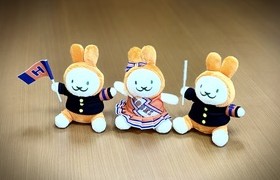
さて、もちろん、その後、法政大学グッズショップに立ち寄り、応援団バージョンのえこぴょんを3体買ってきました。3部それぞれに、1体ずつです!

The Cheer Squad
One of the first things they noticed walking into my office was my collection of Eco-Pyon figures—and the fact that the cheering squad version was missing! It was a simple comment, but one that said something about their pride in being part of the squad.
One thing that struck me was how clearly they distinguished between performing and cheering. Cheering, they explained, calls for a different mindset and sense of purpose. It is not about putting on a good performance for its own sake. The focus is on others—the athletes they are supporting, and the spectators cheering alongside them. The dance routines, the music, the chants and calls are all ways of lifting people's spirits, giving them energy and encouragement. As one of them put it so aptly, this is the spirit of kuroko seishin (黒子精神)—working behind the scenes so that others can shine.
This made me curious to hear more. What, after all, does ōen—cheering, supporting, encouraging—really mean to them?
One spoke of omoiyari, of caring for others and wanting to convey one's feelings to them. At its simplest, it is the heartfelt wish to see the athletes win. Another spoke of being there for someone, of wanting to give them strength. Interestingly, that support works both ways. Cheering someone else on can become a source of motivation for oneself, creating a positive cycle in which giving encouragement also brings encouragement in return.
It is also about a sense of unity with others who share a passion for the sport and those who have come together to cheer. Bringing everyone in the stands together, putting the spotlight on Hosei's athletes and making them the stars of the show. And creating an atmosphere in which the spectators, too, can share in the excitement.
Cheering has a depth that is not immediately apparent. Although their attention is directed towards others, the appreciation they receive matters as well. After giving their all, a word of thanks or praise can make them feel that everything they have put into it has been worthwhile.
Despite the traditionally hierarchical structure of organizations like the ōendan, all four were trying, in their own ways, to do things a little differently—making room for different opinions, encouraging more open communication within their divisions, and even rethinking long-standing rules if doing so could lighten the burden on members. I couldn't agree more with this approach. Indeed, traditions are worth preserving, but keeping them alive also means allowing them to evolve.
Behind the energy, the music and the excitement lies something more thoughtful: the desire to support others, to bring people together, and to give someone that extra bit of strength when it matters. And in doing so, they find strength and encouragement themselves.
And yes, I did stop by the Hosei Goods Shop afterwards and brought back three cheering squad Eco-Pyons—one for each division!