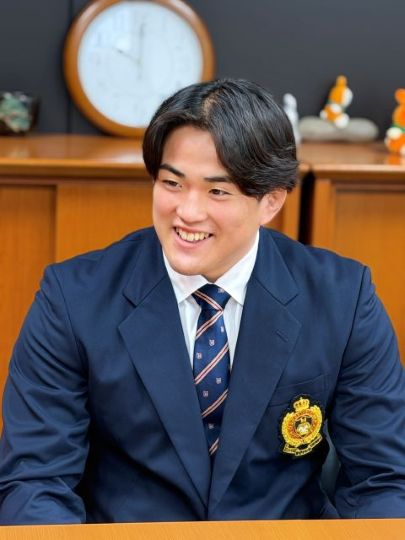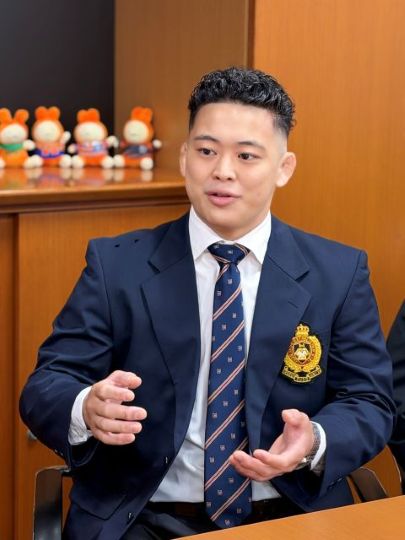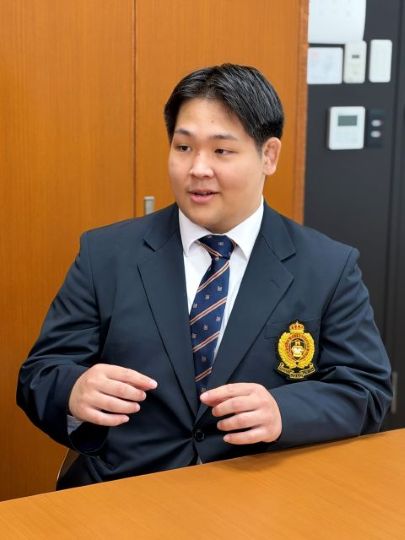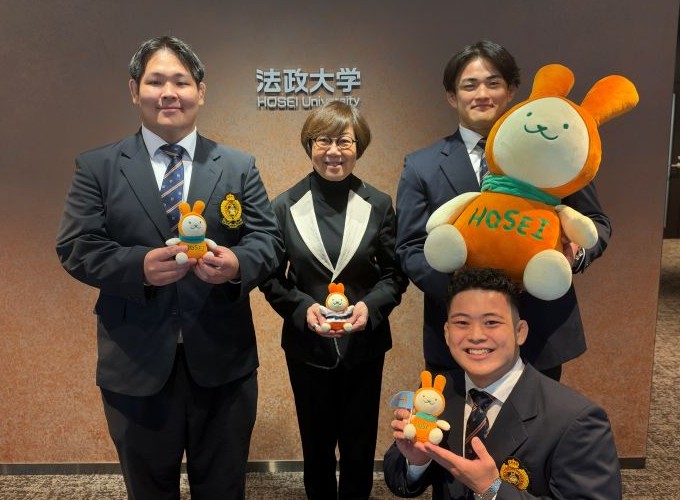
法政大学柔道部の皆さん
法政大学柔道部は現在、全国ベスト16に入っており、次の目標はベスト8です。しかも、十分に手が届く目標だそうです。部員がわずか20数名しかいないことを知れば、これがどれほど素晴らしい成果なのか、お分かりいただけると思います。
私はまず、こんなシンプルな質問から始めました。「柔道をまったく知らない人に、柔道とはどんなものか、どう説明しますか?」 返ってきた答えは、私の予想とは違うものでした。「礼儀・礼節を大切にすること」「スポーツであると同時に、武道でもあること」「人との交流が広がること」。 これだけでは、柔道が具体的にどんな競技なのかは、よく分からないかもしれません。まあ、技やルールなどはAIに聞けば簡単に教えてくれます。でも、彼らの答えは、柔道の核心、その本質を見事に捉えていたのです。
とはいえ、技がきれいに決まり、相手を投げたときの快感は格別だそうです。そして、納得のいく勝利を収めたときの達成感や、周囲から認められる喜びは、何ものにも代えがたいものです。勝つ喜びはもちろんですが、負けた悔しさも、もっと強くなりたい、成長したいという意欲につながります。
彼らは皆、幼い頃から柔道を続けています。それでも飽きるどころか、柔道への情熱は少しも衰えていないようです。3人とも、卒業して社会人になってからも、選手として、あるいは指導者として、柔道を続けたいと、迷うことなく答えてくれました。
今回のお話を通じて、法政大学柔道部の強さを支える、一つの特徴も知ることができました。それは、いかにも法政らしいものです。 一人ひとりが自分に合った柔道のスタイルを探求することを大切にし、自ら分析し、考える力を育てる。そして、試行錯誤を重ねながら、自分なりの答えを見つけていくことを奨励しているのです。 練習の中に「研究」という時間が設けられていることも、とても印象的でした。
主将は、「正解はない」という言葉を口にしました。実は、これは他の競技で活躍するトップレベルの選手たちからも、何度か聞いたことのある言葉です。唯一の正解があるわけではない。大切なのは、自分自身で答えを見つけることです。 法政大学柔道部では、そうした自主的な探求が認められているだけでなく、日々の練習そのものに組み込まれているのです。こうした「考える力」を鍛えることは、もちろん、身体を鍛え、技を磨くことと一体になっています。頭の中で思い描いた技を、実際にその通りに決めることができたときの達成感は、何ものにも代えがたいのでしょう。
一方で、日々の練習は、言葉では表現しきれないほど厳しいものだそうです。だからこそ、社会に出てからも、どんな困難にも対応できるという自信があるようです。精神力、忍耐力、理不尽なことにも耐えられる力。そして、人との関係をどう築き、向き合っていくかということも、柔道を通じて学んできたと話してくれました。
私は一生懸命メモを取ろうとしていたのですが、彼らが大好きな柔道の魅力を、あまりにも見事に、次々と言葉にしてくれるので、追いつかないほどでした。
でも、やはり彼らの柔道を実際に見てみないと、その魅力は十分に伝わらないのかもしれません。
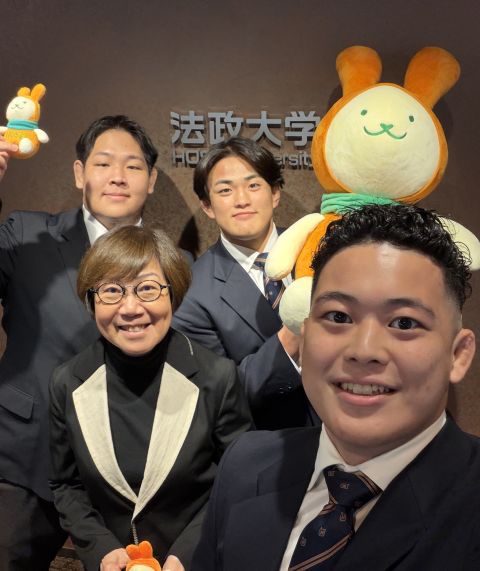
Members of the Hosei Judo Team
Hosei Judo is currently ranked among the top 16 in Japan and is aiming—realistically—for a place in the top eight. You need to know that the team has only twenty-odd members to appreciate just how remarkable an achievement this is.
I started off with a simple question: How would you explain judo to somebody who knows nothing about the sport? The answers surprised me. Respect for others, courtesy, and conducting oneself with dignity. It is both a sport and a martial art (武道). It opens doors to new connections and relationships. You might not quite grasp what judo actually involves from these answers—well, you can easily ask AI for the technical aspects of the sport—but these practitioners went straight to the heart of it, capturing the very essence of judo.
But still, you can't beat the sheer exhilaration of executing a perfect throw. The sense of achievement and recognition that comes with a convincing win is priceless. Winning is an incomparable feeling, but losing, too, can fuel the desire to improve and grow. Perhaps these are some of the reasons why, despite having started so young, none of them has grown tired of the sport. All three, without hesitation, assured me that they would continue with judo even after entering the workforce, whether through competition or coaching.
I also learned that there is one distinctive characteristic of Hosei Judo that underlies the team's strength—and that is so characteristic of the Hosei spirit: encouraging each athlete to explore and develop a style that suits them, cultivating the ability to analyze and think independently, and giving them the freedom to experiment, reflect, and find their own way. The fact that time is specifically set aside for kenkyū (研究)—exploration and experimentation—during practice speaks volumes. The captain also repeated a phrase I have heard from athletes competing at this level in other sports: there is no single correct answer. The challenge is to find your own. And Hosei Judo doesn't merely allow for this; it makes it an integral part of training.
This training of the mind goes hand in hand with the training of the body. There is perhaps no greater sense of achievement than being able to translate the perfect move you have envisioned into reality. The practice itself, though, can be extraordinarily tough—so tough that it is difficult even to put into words. So much so that they are convinced they can handle whatever challenges the working world might throw at them. They spoke of mental strength, perseverance, the ability to endure unreasonable demands (理不尽), and also of learning how to navigate human relationships.
I was trying to take notes, but I could barely keep up with how beautifully they articulated what the sport—and martial art—they love means to them.
You really have to see them in action to understand.