

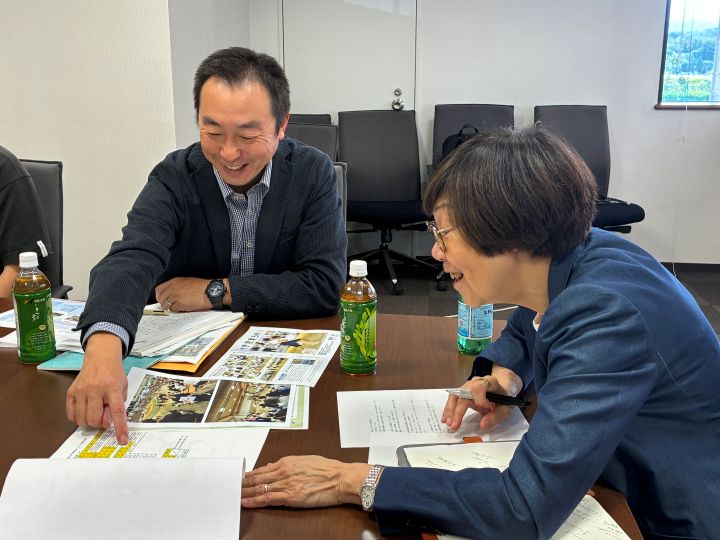
この「出会いメモ」は「ブランディング推進チーム・総長研究室訪問企画」として、Diana Khor総長がスポーツ健康学部スポーツ健康学科 吉田 政幸 教授およびゼミ生4名にインタビューを行ったものです。
本学は法政大学憲章にて「真に自由な思考と行動を貫きとおす自立した市民の輩出」を社会に約束しています。教育現場ではどのようにその約束が果たされているのでしょうか。この企画では、総長が先生やゼミ生を訪問し、教育への思いやゼミ運営の工夫などを直接伺い、その魅力を広く発信していきます。
スポーツマネジメントのその先に ―― スポーツ健康学部 吉田政幸ゼミ
吉田先生と学生の皆さんと「スポーツマネジメント」について話している途中、ふと、もっと根本的なことを聞いてみたくなりました。そもそも、「スポーツ」とは何なのでしょうか。
学生の皆さんから、そしてもちろん吉田先生からも、予想をはるかに超える答えが返ってきました。
「人生そのもの」「周囲の人とのつながり」「する、みる、支えるもの。それぞれの関わり方がある」「人と人とのコミュニケーション。国境を越えて共有できるもの」「遊び、競争、身体活動」
その答えの幅広さと奥深さに、思わず感心しました。スポーツマネジメントという実践的な学びの土台には、スポーツとは何かについての、もっと広い理解があるのだと感じました。
スポーツマネジメントは、もちろん吉田先生ご自身の研究・教育の中心であり、ゼミの重要なテーマでもあります。日本社会においてスポーツの果たす役割が広がる中、その重要性もますます高まっている分野です。学生たちが取り組んでいるフィールドワークも大変興味深いものでした。その一つが、長野県木曽で毎年開催される相撲大会の企画・運営への参加です。
しかし、吉田先生と学生の皆さんとの対話を通じて、私の心に最も強く残ったのは、教育についての、もっと根本的なことでした。
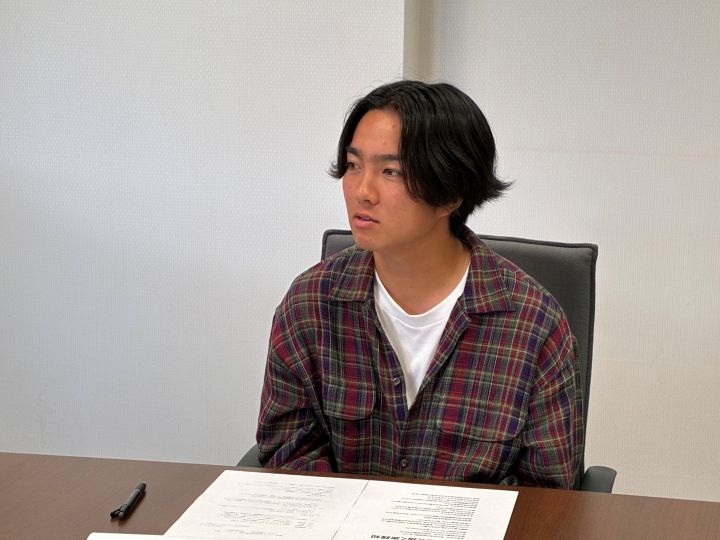
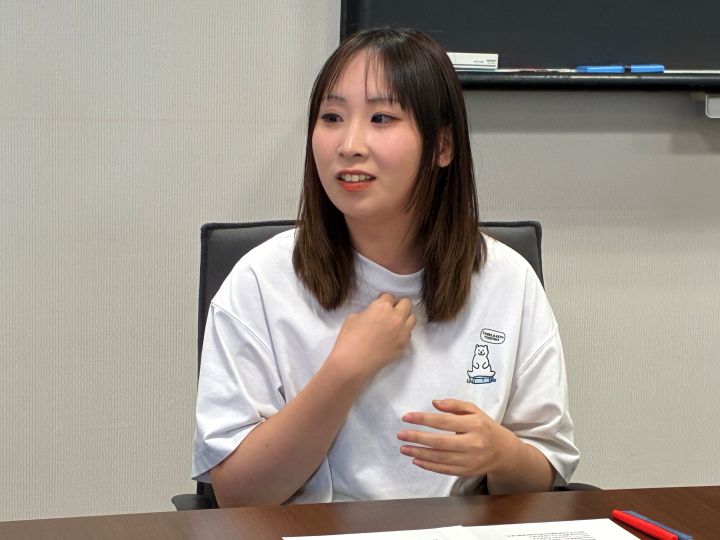
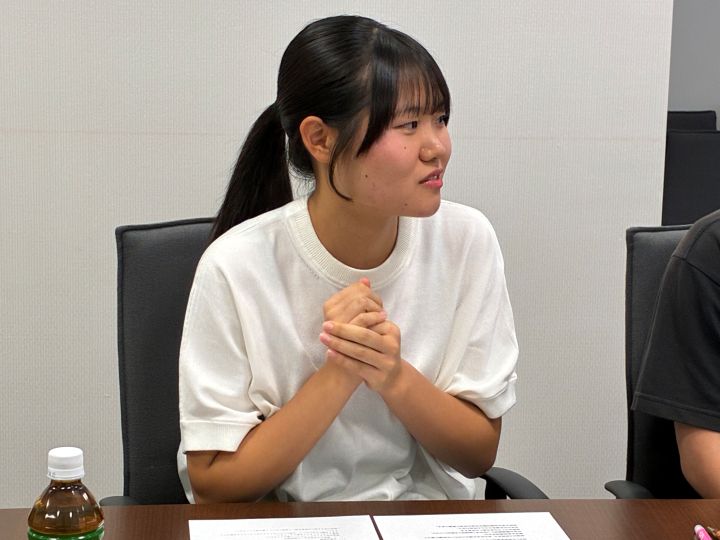
学生たちは、吉田先生について、いつも親身になって相談に乗り、学生のことを理解し、支えてくださる先生だと話していました。その一方で、自分で考え、自分なりの答えを見つけ、課題に向き合うことを促され、そのための自由も与えられていると感じているようでした。そうした過程で、好奇心がさらに高まり、もっと学びたい、新しいことに挑戦したいという意欲も生まれてきます。
対話の中で、特に印象に残った場面がありました。それまで私の質問にすらすらと答えていた学生たちが、相撲大会の運営で一番大変だったことは何かと尋ねた途端、答えに詰まってしまったのです。どうやら、活動があまりにも面白く、楽しかったため、何が特に大変だったのか、なかなか思いつかなかったようです。
学生たちの話を聞きながら、法政大学憲章のどの部分に共感しているのか、何となく想像がつきました。「多様な視点」「社会や人のために」「社会の課題解決」。そして、「進取の気象」や「持続可能な社会の未来」。こうした憲章の言葉が、先生の考えや学生たちの経験と重なっていることがよく伝わってきました。
東京を離れ、時には海外にも足を運び、さまざまな世代や背景を持つ人たちと交流することで、社会の課題を異なる視点から捉える機会が生まれます。高齢化が進む社会の中で、高齢者の生活の質を高めるという課題。スポーツを通じて人々の生活を豊かにし、幸せにつなげていくこと。そして、現場で直面する問題に向き合い、自分で解決策を考え、道を切り開いていく経験。新しいものに触れる中で、物事の本質や、本当に大切なこと、いわば「本物」に気づく機会も生まれているのだと思います。
吉田先生の授業では、いつも最前列に座っていたという学生の気持ちが、よくわかる気がしました。そして、スポンジのように、できるだけ多くのことを吸収したいと話していた学生の気持ちも。
今回の訪問で得られたのは、スポーツマネジメントについての理解だけではありませんでした。好奇心、信頼、自分で考える力、そして社会との関わり。こうしたものが重なり合う中で、学びがどのように深まっていくのか、その一端に触れたように感じました。
Beyond Sport Management – Faculty of Sports and Health Studies, Masayuki Yoshida Seminar
In the midst of a conversation about sport management with Professor Yoshida and his students, it suddenly occurred to me to ask a more fundamental question: What, after all, is sport?
The answers I received—from the students and Professor Yoshida alike—went well beyond what I had expected.
“Life itself.” “Connections with the people around us.” “Something we can participate in, watch, or support. There are different ways to be involved.” “A way for people to communicate, something that can be shared across national boundaries.” “Play, competition, and physical activity.”
I was struck by the depth and range of their responses. They seemed to suggest that behind the practical work of sport management lies a much broader understanding of what sport means.
Sport management is, of course, central to Professor Yoshida's research and teaching, and to the seminar itself. It is also an increasingly significant field as the role of sport continues to expand in Japanese society. The students' fieldwork is equally fascinating. One example is their involvement in organizing and managing an annual sumo competition in Kiso, Nagano Prefecture.
Yet what stayed with me most from my conversation with Professor Yoshida and his students was something more fundamental about education.
The students spoke warmly of Professor Yoshida as someone who is supportive, understanding, and always ready to help. At the same time, they described an environment in which they are encouraged to think independently, find their own answers, and work through challenges themselves. In the process, they become more curious, more motivated to learn, and more eager to take on new challenges.
One moment in our conversation stood out. The students had readily answered all my questions until I asked what they found most difficult about organizing the sumo competition. This time, they struggled to come up with an answer. Apparently, they had enjoyed the experience so much that they found it hard to think of anything particularly difficult about it.
Listening to the students, I could almost anticipate which parts of the Hosei University Charter would resonate with them.
The Charter's emphasis on “a variety of points of view,” working “for the society and the people,” and “solving social problems” was clearly reflected in their experiences. So was its commitment to a “pioneering spirit” and to the “future of sustainable societies.”
Activities beyond Tokyo and even Japan offer opportunities to engage with people across generations and backgrounds, and to see social issues from different perspectives. There is the challenge of improving older people's quality of life in an aging society. The role of sport in enriching people's lives and contributing to their happiness. And the experience of confronting problems as they arise in real-world settings, thinking through possible solutions, and finding ways forward.
In the process, there are opportunities to encounter new ideas and experiences, but also to recognize what is essential and authentic—what really matters beneath the surface.
I could understand why one student always chose to sit in the front row of Professor Yoshida's classes. And why another spoke of wanting to absorb as much as possible, like a sponge.
What I took away from this visit was not simply a better understanding of sport management. It was a glimpse of how curiosity, trust, independence, and engagement with the world can come together in the experience of learning.
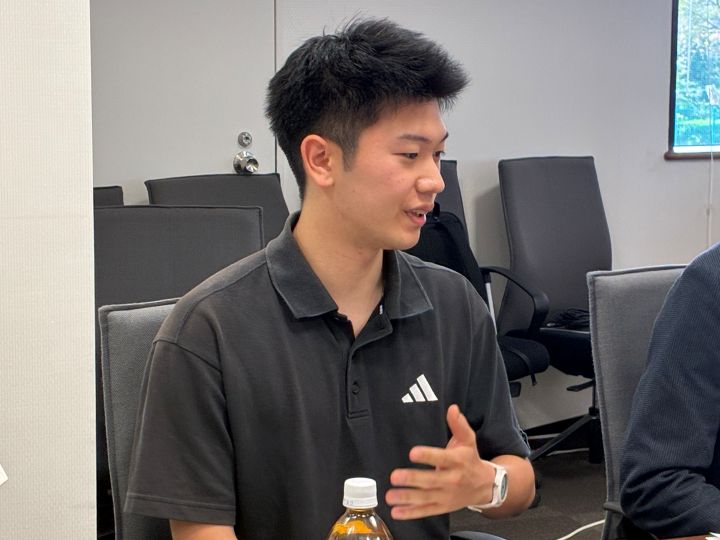
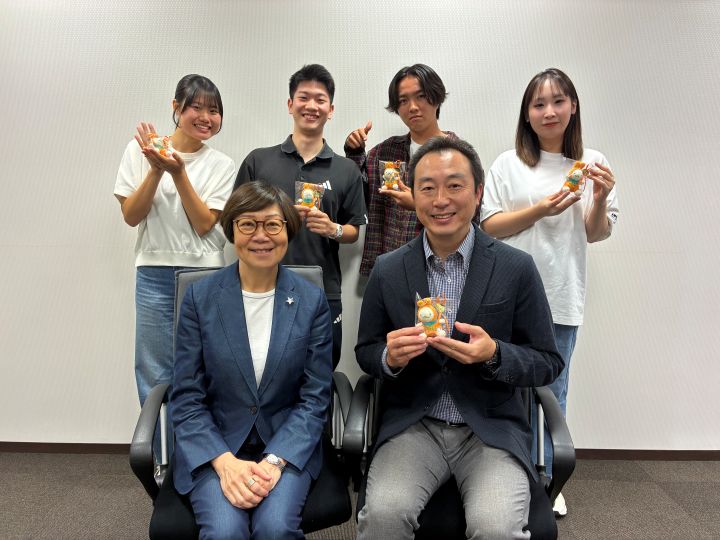
法政大学 スポーツ健康学部 スポーツ健康学科 教授 吉田 政幸
1979年、新潟県生まれ。筑波大学体育専門学群、同大学院修士課程修了。米国フロリダ州立大学スポーツマネジメント学科博士課程修了。博士(スポーツマネジメント)。
日本帰国後、びわこ成蹊スポーツ大学専任講師・准教授、法政大学スポーツ健康学部准教授を経て2022年から教授。
研究分野はスポーツマネジメント、スポーツマーケティング、スポーツ消費者行動。フロリダ州立大学時代、2008年にトロントで開催された北米スポーツマネジメント学会の学生リサーチ・コンペティションで優勝(日本人初)。
現在、Sport Management Review共同編集者、Journal of Sport Management編集査読委員などを務めている。2019年に北米スポーツマネジメント学会リサーチフェロー賞を受賞。2024年度は在外研究制度を利用して米国カンザス大学・健康スポーツ運動科学学科に客員研究員として滞在した。その時の国際共同研究の成果はJournal of Sport Management、European Sport Management Quarterly、Sport Marketing Quarterlyで発表し、現在に至る。