モーターボート・水上スキー部の皆さん
10代の頃、友人の一人が水上スキーをしていました。当時の私のイメージでは、水上スキーは、格好いいけれど、モーターボートにつながれたロープにつかまって、まっすぐ「滑る」スポーツ、という程度のものでした。
実際は、まったく違いました。
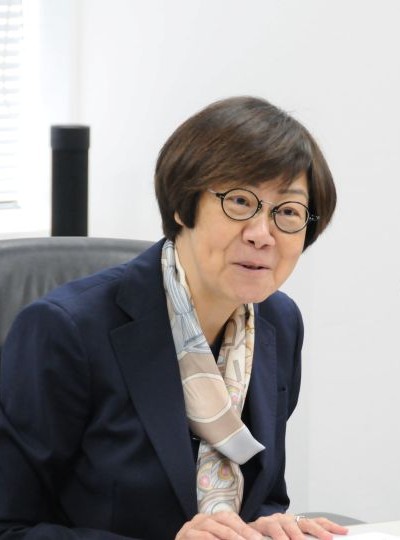
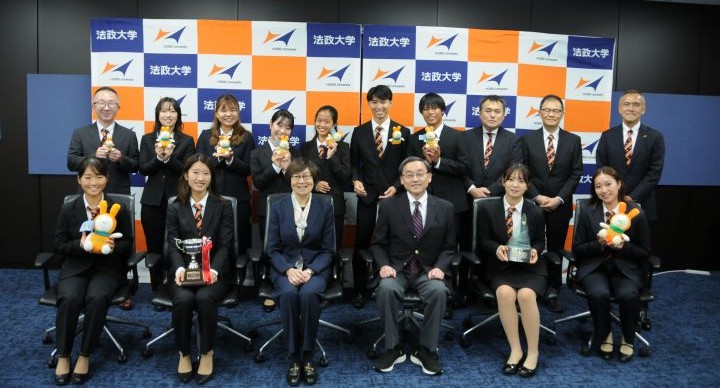
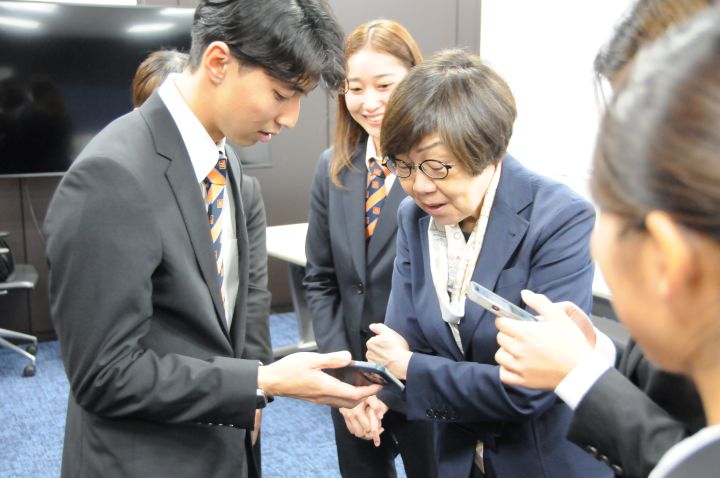
先日、本学のモーターボート・水上スキー部の皆さんが表敬訪問に来てくれました。その際、監督が競技について、とても丁寧に説明してくださいました。競技には3つの種目があります。スラロームはアルペンスキーのようなもの、トリックはフィギュアスケートのようなもの、そしてジャンプは、私の理解ではスキージャンプの水上版、といったところです。
こうしたたとえのおかげで、競技のイメージはかなりつかめました。でも、改めて考えてみると、それをすべて水の上で行うわけです。しかも、スラロームやトリックでは、高速で走るモーターボートに引かれたロープにつかまりながらです。これはかなりすごいことです。
それ以上にすごいのが、部の成績です。全日本学生水上スキー選手権大会で、女子は19年ぶりにインカレ優勝を果たし、男女総合でも2位という素晴らしい成績を収めました。
授業期間中は、学業や授業を優先し、練習は主に週末に行っているそうです。一方で、夏休みなどの長期休暇は、ほとんど合宿になります。特に印象に残ったのは、建築を学んでいる学生が、合宿所で模型づくりをしていたという話です。厳しい練習の合間でも、勉強は続きます。その一方で、ちょっとした「特典」もあるようです。練習場所は、景色のとてもきれいな場所が多いとのこと。これは、少しはモチベーションにもつながるのではないでしょうか。
水上スキーは、日本では大学から始める人の多い競技だそうです。もちろん、高校までに経験していたスポーツによっては、多少の有利不利もあります。たとえば、スキー経験者は感覚をつかみやすかったり、サッカー経験者は下半身の強さを生かせたりするそうです。
でも、今回お話を聞いて印象に残ったのは、そうした経験がなくても、高いレベルまで成長できるということでした。練習を重ねながら、技術や筋力、バランス感覚、そして自信を身につけていくのです。私はてっきり、部員の多くは高校時代から本格的にスポーツをしていて、もしかすると水上競技の経験者も多いのではないかと思っていました。でも、実際はそうとは限りませんでした。多くの部員が、大学に入ってから初めて水上スキーに出会ったそうです。しかも、そのきっかけは、最初の見学会。そこで実際に競技を体験してみた、という学生も多かったようです。
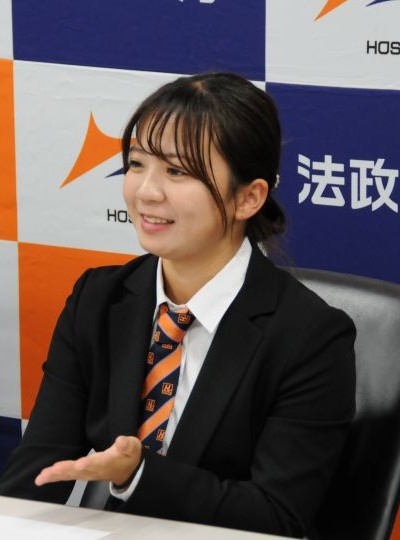
女子の優勝メンバーの一人は、最初は正直、怖かったと話してくれました。まあ、それはそうだろうな、と私も思いました。
では、それでも続けようと思ったのはなぜだったのでしょうか。
「メンバーです」と、彼女は答えました。
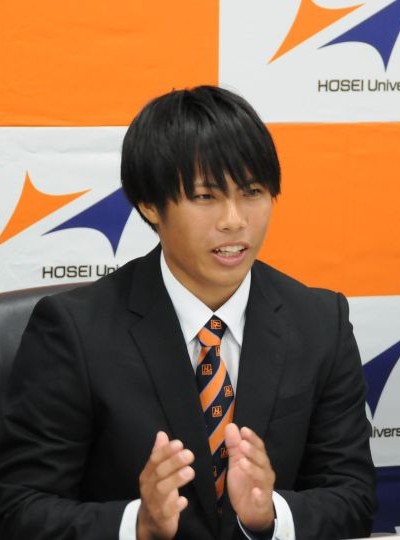
その一言で、今度はチームの雰囲気について聞いてみたくなりました。皆さんは顔を見合わせながら、少し笑っていました。主将は、部員同士の関係はとても良く、お互いをよく気にかけながら活動していると説明してくれました。副主将は、チームは温かく、居心地のよい場所で、「家族のような存在」だと話してくれました。
もしかすると、私が最初に水上スキーを「ロープにつかまって滑るスポーツ」と思っていたときに、見えていなかったのは、こういうことだったのかもしれません。
もちろん、ロープにつかまることは大事です。
でも、学生たちを支えているのは、手につかんでいるものだけではなく、そのそばに誰がいるか、なのだと思います。
The Motorboat & Water-Skiing Team Members
A friend of mine used to water-ski when we were teenagers. My image of the sport was that it looked cool, but was basically a matter of holding on to a rope attached to a motorboat and “skiing” in a straight line.
I could not have been more wrong.
Recently, I had a visit from our Motorboat and Water-Skiing Team, and the coach patiently explained the sport to me. There are three competitive events: slalom, which he described as somewhat like alpine skiing; trick, which he compared to figure skating; and jump, which I took to be the water-skiing equivalent of ski jumping.
The analogies certainly helped me picture the events. But then I tried to imagine doing all of this on water—and, in slalom and trick, while holding on to a rope pulled by a motorboat moving at high speed. Quite a feat.
Even more impressive were the team’s achievements. At the All-Japan Intercollegiate Water Ski Championships, the women’s team won the national collegiate title for the first time in 19 years, while Hosei finished second overall in the combined men’s and women’s competition.
During the semester, the students prioritize their studies and classes and train mainly on weekends. Longer university breaks, however, are essentially training camps. I was struck by one example: a student studying architecture told me about working on architectural models at the team lodge during training camp. Even while immersed in an intensive athletic schedule, academic work continues.
At the same time, there may be one small perk: they get to train in some remarkably scenic places. I imagine that cannot hurt motivation.
Water skiing is largely a collegiate sport in Japan, and some sporting backgrounds do give beginners an advantage. Experience in skiing can help, for example, and soccer players may benefit from their lower-body strength. But what impressed me was that many members had no such background at all. Through training, they had developed the skills, strength, balance, and confidence needed to compete at a very high level.
In fact, I had assumed that most of them had been serious athletes in high school, perhaps even in some kind of water sport. Not necessarily, they told me. Many had first encountered water skiing only after entering university—at the club’s first introductory session, where prospective members could actually try the sport.
One member of the championship-winning women’s team told me quite frankly that she had been scared at first. I could understand that. Who wouldn’t be?
So I asked her what had made her stay.
“The members,” she said.
That answer made me curious about the atmosphere of the team. They looked at one another and smiled. The captain described the relationships within the team as close and supportive, with members always looking out for one another. The vice-captain added that the team was a warm, welcoming place—like a family.
Perhaps that is what I had missed when I first imagined water skiing as simply holding on to a rope.
Of course, the rope matters. But what seems to keep these students going is not only what they are holding on to—it is also who is there beside them.