留学生会の皆さん
私たちは、学生に海外で学ぶことを勧めています。異なる国で暮らすことには、ほかでは得がたい成長の機会があるからです。新しい文化に慣れること、食べ慣れないものを食べること、別の言語で学ぶこと、そして家族や友人の支えから離れて生活することには、もちろん大変なこともあります。でも、その大変さを上回るくらい、新しい知識を得る喜び、新しい友人との出会い、これまでとは異なる考え方に触れる経験、そしてその過程で自分自身の新たな一面を発見すること。そうした経験をしてほしいと思っています。
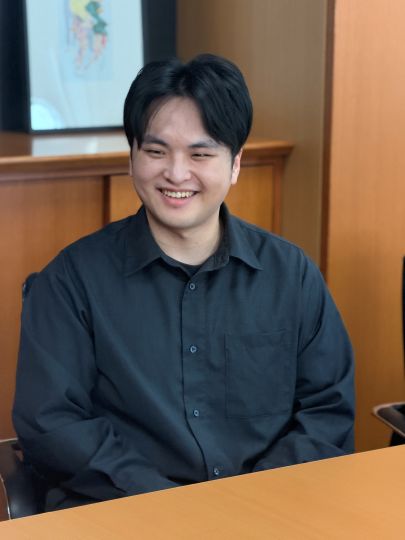
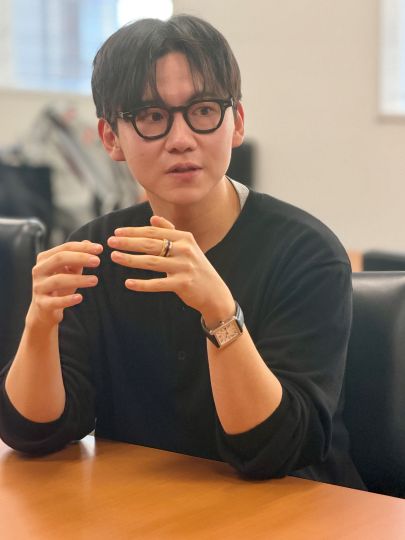
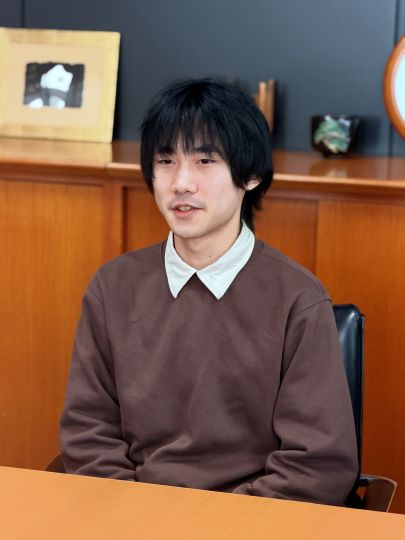
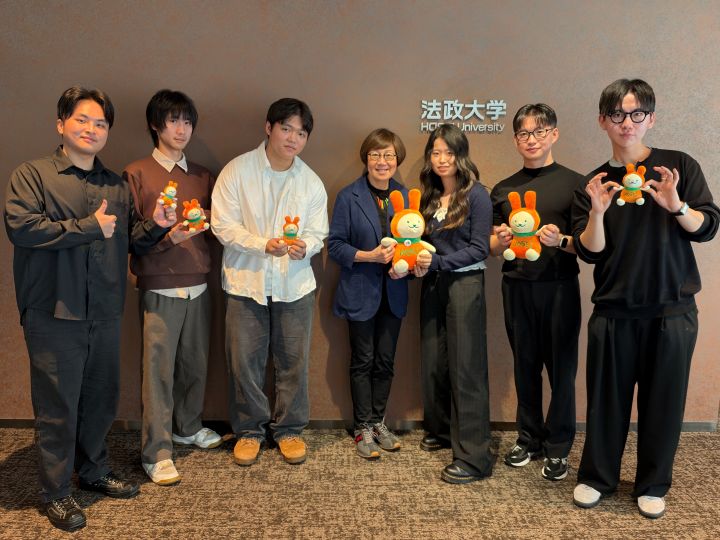
今回、市ケ谷と多摩の中国人留学生会、市ケ谷の韓国人留学生会を代表する6人の学生と話をして、私は改めてそう感じました。同時に、私自身がアメリカで留学生だった頃のことも思い出しました。本学の外国人留学生の多くは中国と韓国から来ているため、これらの留学生会は多くの学生を支え、卒業生も含めたさらに大きなネットワークにつながっています。
活動に参加する理由として学生たちが挙げたのが、助け合いの気持ちでした。入学したばかりの頃に助けてもらった経験や、兵役を終えて大学に戻った際に支えてもらった経験があり、今度は自分がほかの学生を支えたいと思ったという話もありました。また、留学生会での活動は学生生活を豊かにするだけでなく、やりがいにもつながり、コミュニケーション力をはじめ、将来仕事にも生かせるさまざまな力を身につける機会になっていると話してくれました。
哲学、キャリアデザイン、法律、社会学。それぞれがなぜその分野を選んだのかを、とてもよく考えて話していたことも印象に残りました。そして、その先の将来についても真剣に考えていました。話を聞きながら、もし今も教室で教えていたら、こういう学生たちを教えてみたかっただろうな、と思いました。自分が学んでいることへの純粋な関心があり、その学びをこれからの自分の生き方につなげようとしていることが伝わってきたからです。
ある意味で、学生たちは、私たちが学生に海外留学を勧める中で期待している成長を、そのまま見せてくれているようにも感じました。国境を越え、慣れない環境に身を置き、もともと自分の場所ではなかったところで生活を築いていく。その経験には大きな意味があります。だからこそ、本学で学ぶ留学生がそれぞれの力を十分に発揮できる環境を作っていきたいと思います。
大学に対しては、留学生同士がグループを越えて交流できる機会をもっと設けてほしい、図書館の開館時間を延ばしてほしい、といった要望もありました。また、日本で暮らす外国人をめぐる最近の政策の変化についても話しました。大学の中では安心して過ごしていると話してくれましたが、将来についてはある程度の不安を感じている学生もいました。ある学生は、将来への不安という意味では、それは誰にでもあることではないか、と話してくれました。こうして学生たちの声を直接聞くことができて、本当によかったと思います。大切なのは、必要なことをこちらで決めつけるのではなく、これからも話を聞きながら、その時々に応えていくことだと思います。
私自身も、外から日本に来た一人です。そして、安心して「ここが自分の場所だ」と思える場所は、一つでなくてもいいのだと思うようになりました。学生たちにとっても、いつか日本が、そんな場所の一つになればと思います。
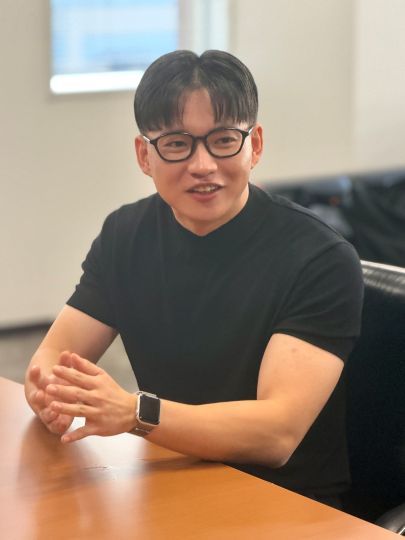
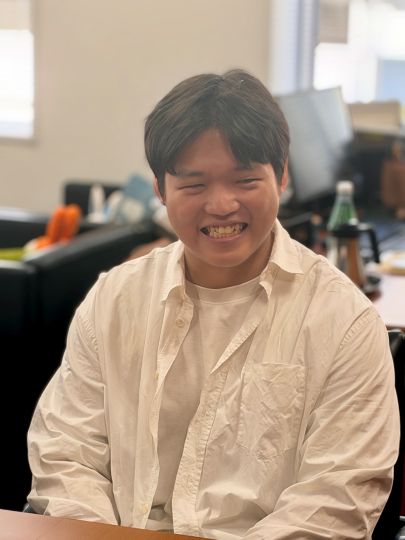
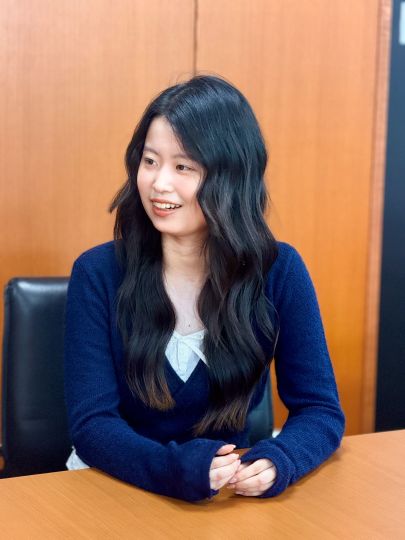
Representatives of the international students associations
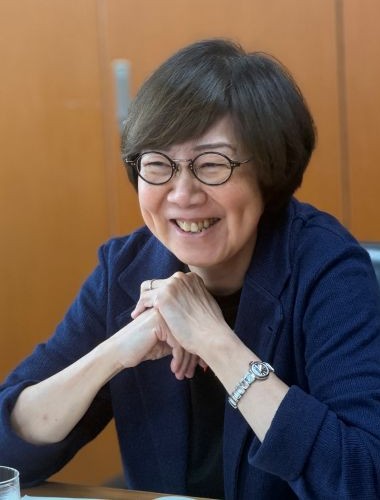
We encourage our students to study overseas because living in another country offers an irreplaceable kind of growth. Adjusting to a new culture, eating unfamiliar food, learning in another language, and living without the everyday support of family and friends can all be difficult. But we hope those challenges are more than compensated for by the excitement of acquiring new knowledge, making new friends, encountering different perspectives, and discovering more about oneself in the process.
The six students representing the Ichigaya and Tama Chinese Students Organizations and the Ichigaya Korean Students Organization affirmed many of these thoughts for me, and also brought back memories of my own years as an international student in the United States. The vast majority of our international students from overseas come from China and Korea, so these organizations serve a large number of students and are connected to even wider networks that include alumni as well.
A spirit of mutual support was one reason they gave for becoming involved. Some had received help when they first arrived at the university, or when they returned after completing military service, and that experience motivated them to support others in turn. They also told me that taking part in these activities not only enriches their university lives, but gives them a sense of purpose and fulfillment, while helping them develop communication and other skills they expect to carry into their working lives.
I was also struck by how thoughtfully they spoke about why they had chosen their fields of study — philosophy, career design, law, and sociology — and by how seriously they were thinking about what might come next. As I listened to them, I found myself thinking that these were exactly the kind of students I would have loved to teach if I were still in the classroom: students with genuine curiosity about what they are learning, and with an eagerness to connect that learning to the lives they are building.
In many ways, they embody the kind of growth we hope to foster by encouraging students to study overseas. Their stories affirm the value of crossing borders, entering unfamiliar environments, and learning to make a life in a place that was not originally one’s own. And precisely for that reason, we owe our international students the support they need and deserve.
They spoke about what they would like to see from the university, including more opportunities for exchange among different international student groups and longer library hours. We also talked about the recent changes in policies affecting foreign residents in Japan. They told me that they felt at ease within the university, although some spoke of a certain anxiety about the future. One student added that, in some sense, uncertainty about the future is something everyone shares.
I was very glad to have had the chance to hear directly from them. What matters is not to assume we already know what they need, but to keep listening and respond accordingly.
Having come to Japan from elsewhere myself, I know that home does not have to be only one place. I hope these students, too, will come to feel that Japan can become one of their homes.