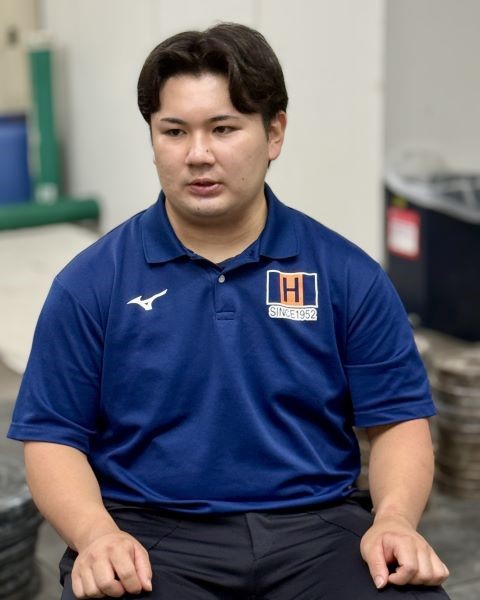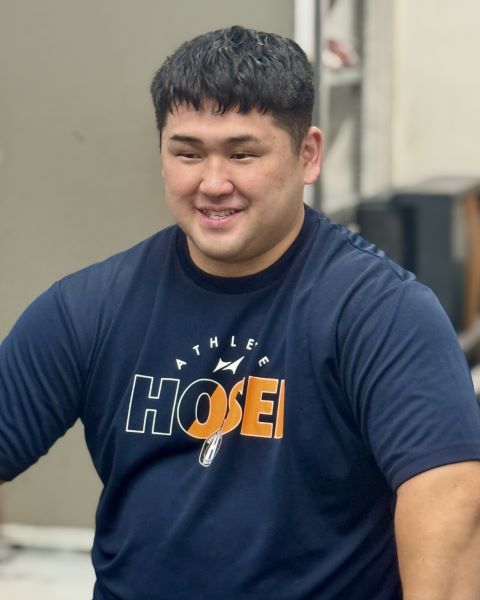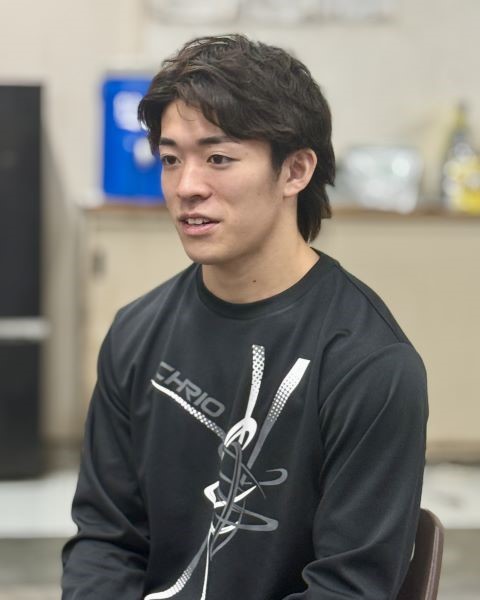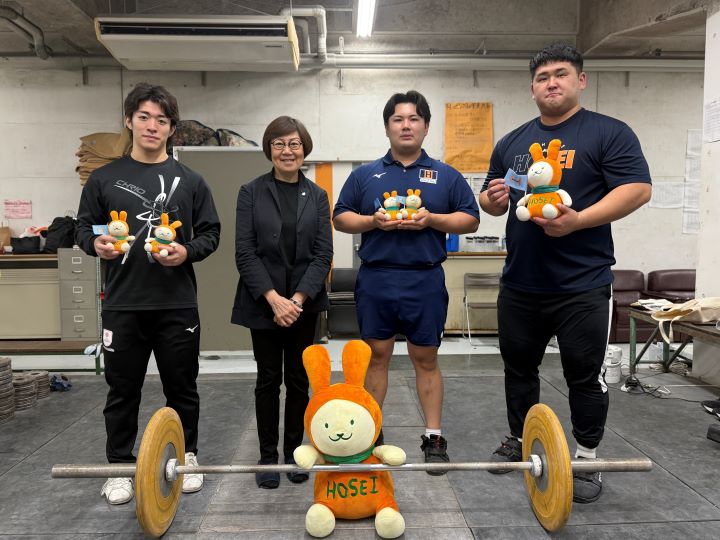
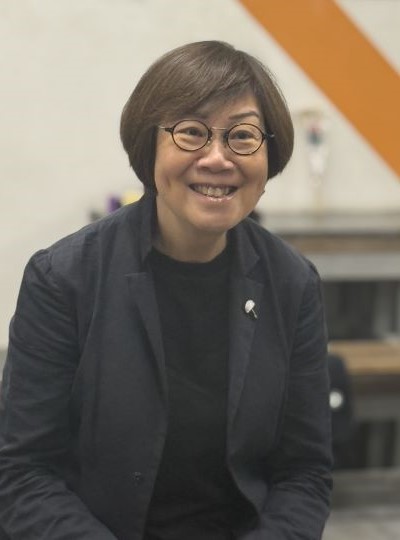
法政大学重量挙部の皆さん
重量挙げは、大学スポーツの中ではどちらかといえばマイナーな競技かもしれません。でも、その競技そのものも、そこで高いレベルを目指すために必要なことも、決して「小さな」ものではありません。
法政大学重量挙部は1951年に始まった長い歴史を持ち、三宅義信さん、一ノ関史郎さん、三宅宏実さんをはじめ、オリンピックやアジア大会で活躍した多くの選手を輩出してきました。今回お話を伺ったOBコーチのお二人も、ともに全日本選手権を制したチャンピオンで、今は2028年ロサンゼルス・オリンピックを視野に入れてトレーニングを続けています。すでに私は、お二人をオリンピックに送り出す自分の姿を想像してしまいます。
この競技を始めるきっかけは人それぞれで、「体を強くしたい」という理由もあるようです。でも、重量挙げは、単に体を鍛えて、より重い重量を持ち上げる競技ではありません。実際には、それ以上にいろいろなことが求められます。
自分の体を知ること。自分に合ったフォームを見つけること。トレーニングを計画すること。そして、栄養についても細かく考えること。どのくらいの量の、そしてどの種類のたんぱく質を取るのか。炭水化物とどう組み合わせるのか。階級内に体重を収めながら、どうすれば最大限の力を発揮できるのか。無差別級になると、またまったく違う自己管理が必要になります。
今回お話を聞いた3人の選手は、それぞれ異なる階級で競技していて、トレーニングの内容も違います。それでも共通しているのは、自分自身をよく知ること、計画すること、そして自律することが欠かせないという点です。限界に挑みながら、どこで無理をしないかも見極める。けがをせずに、どうすればもっと強くなれるのかを考え続ける競技でもあります。
こうした、選手一人ひとりに合わせて取り組む競技であることこそが、その魅力なのかもしれません。ある選手は、「自分の成長を客観的に測れる競技です」と話してくれました。
バーベルに載っている数字だけを見ると、とても単純な指標のようにも見えます。でも、その数字をほんの数キロ増やすことは、決して単純ではありません。ましてや、このレベルで競技している選手にとっては、なおさらです。
そして、十分にトレーニングを積んで試合に臨めれば、ほどよい緊張感を持ちながら、目の前の重量を挙げることだけに集中できるのだそうです。
言葉にすると、簡単です。
でも、実際にやるのは、ずっと難しい。
Members of the Hosei Weightlifting Club
Weightlifting might be a minor collegiate sport, but the sport itself—and what it takes to excel at it—is anything but minor.
The Hosei Weightlifting Club has a long and distinguished history dating back to 1951, and has produced Olympians and Asian Games competitors, including well-known medalists such as Yoshinobu Miyake, Shiro Ichinoseki, and Hiromi Miyake. Indeed, the two alumni coaches I spoke with—both national champions themselves—are now training with the 2028 Los Angeles Olympics in sight. I can already picture myself seeing them off to the Games.
There seem to be many reasons why someone takes up the sport, including the desire to build a stronger body. But weightlifting is not simply about becoming stronger in order to lift heavier weights. There is much more to it.
It requires knowing your own body, working out the form that suits you best, planning your training, and thinking carefully about nutrition: the optimal amount—and indeed type—of protein, how to combine it with carbohydrates, and how to stay within a particular weight category while maximizing strength. Competing in the open category, on the other hand, calls for a very different kind of self-management.
The three athletes I spoke with compete in different weight categories, and their training also differs accordingly. Yet all of them described a process that requires the same degree of self-knowledge, planning, and discipline: pushing one’s limits while also knowing when not to push too far, and finding ways to become stronger without getting injured.
This highly “personalized” nature of the sport seems to be precisely part of its appeal. One athlete told me that it is a sport in which you can measure your own growth objectively. A number on a barbell may seem like a very simple indicator, but adding even a few kilograms is anything but simple—particularly at this level.
And if you have trained enough going into a competition, then, I was told, you approach it with a healthy degree of tension and focus almost entirely on one thing: lifting the weight in front of you.
Simple enough to say.
Much harder to do.
関連リンク