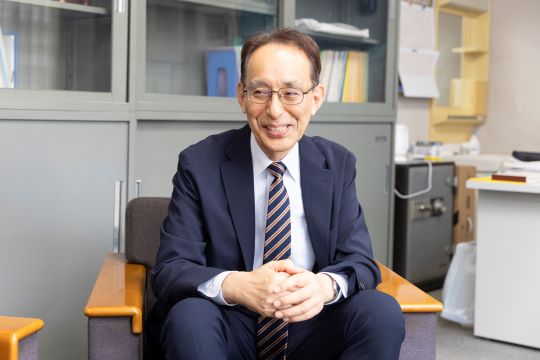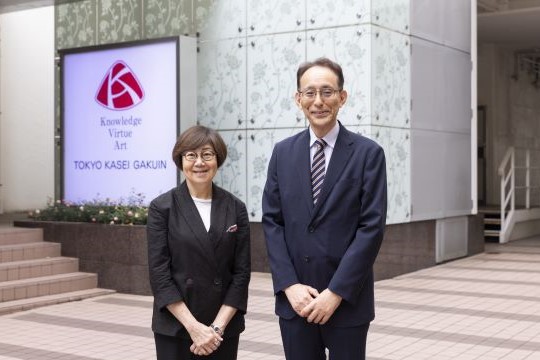
東京家政学院中学校・高等学校 和仁校長
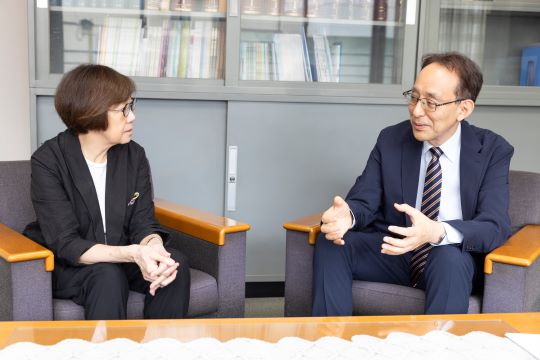
「教育」について語り合う。若い人たちの成長を支えるとはどういうことか、教えること・学ぶことにどう向き合うか、共学と別学をどう考えるか、中学校・高校教育のこれからをどう描くか――そんなことをあれこれ話す時間ほど、火曜日の朝の過ごし方としてふさわしいものはないかもしれません。
しかも、今回のお相手は、長年教育の現場に立ち、中等教育の変化を見てきただけでなく、その変化を実際に牽引してこられた和仁先生です。
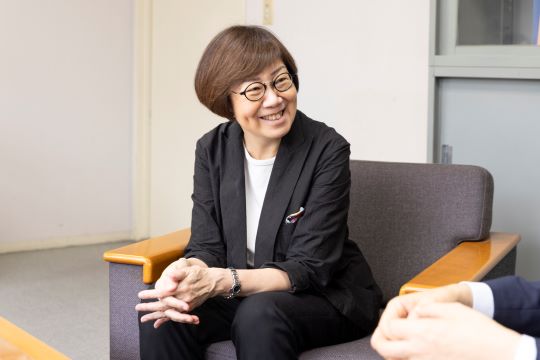
私が最初に和仁先生を知ったのは、先生が法政女子高校の校長を務めていた頃でした。法政大学に進学し、私の授業やゼミを履修していた同校の卒業生たちを通じて、先生のことを知るようになりました。また、高大連携の一環で私が法政女子高校で行ったジェンダーの授業にも、先生は参加してくださいました。どちらの場面でも、学生・生徒たちが先生をとても尊敬している一方で、本当に親しみを持っていることが伝わってきました。
今回の対談は、後日HOSEIオンラインで正式に公開される予定ですので、あまり先に内容を明かしてしまいたくはありません。ただ、たくさんのお話の中から、特に心に残ったことをいくつかだけご紹介したいと思います。
教員になることは、和仁先生にとって最初から目指していた道ではなかったそうです。ただ、最終的に教員という仕事にたどり着いたとき、あえて10代の若者と向き合いたいと考えたといいます。10代は、自分というものを形づくっていく、とても大切な時期です。私には、それはかなりの覚悟と責任を伴うことのように思えます。けれども和仁先生にとっては、その難しさそのものに、この仕事のやりがいがあったようです。
10代の若者と向き合うときも、大人に接するときと基本的な姿勢は変わらないといいます。生徒のことは、生徒自身から教えてもらうしかない。だからこそ、本人が自分なりの答えにたどり着けるよう、一緒に考えていく。それが教員の役割だと話されていました。
また、学生・生徒に挑戦してほしいという話もありました。ただ、挑戦するというのは、必ずしも大きな声で自己主張することではありません。少し力を抜いて、楽しみながら一歩踏み出し、さまざまなことに挑戦してみる。そんな姿勢も大切なのだというお話でした。そして、知識をただ受け取るのではなく、自分から学びに向かっていく学生・生徒であってほしいとも話されていました。
法政女子高校の創設時の考え方の一つに、「女性である前にまず人間であれ」というものがありました。まず一人の人間として生徒を見るという考え方です。和仁先生は、これが共学化の重要な土台にもなったと捉えていました。
そして、法政女子高校がスーパーグローバルハイスクールとなり、その後、IBコースやグローバル探究コースをもつ国際高校へと変わっていったことも、和仁先生にとっては自然な流れだったそうです。生徒が触れる経験をより多様に、より広くし、その分、学びの可能性も広げていく。そうした展開だったのだと思います。
これから新たな形でスタートする東京家政学院中学校・高等学校の在学生、そして、法政大学千代田三番町中学校・高等学校に入学する生徒たちは、きっと安心して学校生活を送ることができると思います。そこでどんな学びや成長が待っているのか。これから入学する皆さんと同じくらい、私自身も楽しみにしています。
Principal Wani of Tokyo Kasei Gakuin Junior & Senior High School
What better way to spend a Tuesday morning than talking about “education” — what it means to help young people grow, how to approach teaching and learning, how to think about coeducation and single-sex education, the future of junior high and high school education, and much more.
And of course, it mattered that my conversation partner was an experienced teacher who has not only witnessed but helped lead major changes in secondary education.
I first came to know Wani-sensei when he was principal of Hosei Girls’ School, through graduates of the school who went on to study at Hosei University and took my classes and seminar. He also sat in on a class on gender that I taught at the school as part of a high school-university collaboration initiative. On both occasions, I could see how much the students respected him, but also how genuinely fond they were of him.
Our conversation will be published formally on Hosei Online, so I do not want to give too much away. But let me share just a few of the many things Wani-sensei said that stayed with me.
Teaching was not his first career choice. But when he eventually found his way to teaching, he was quite deliberate about wanting to work with young people in their teens — those formative years when they are in the process of becoming who they are. To me, that takes a great deal of courage and commitment, and of course, responsibility. For Wani-sensei, though, it seems that the challenge itself was precisely what made the work worthwhile.
When it comes to working with young people in their teens, Wani-sensei spoke about how the basic stance is not so different from how he would engage with adults. The only way to really understand students is to learn from the students themselves. A teacher’s role, then, is to think alongside them as they search for and arrive at answers of their own.
He also spoke about encouraging students to take on challenges. That does not necessarily mean being loud or assertive. It can also mean taking that first step with a little more ease, enjoying the process, and trying different things. Just as importantly, he wants students to be active rather than passive in their pursuit of knowledge.
One of the founding ideas of Hosei Girls’ High School was, in essence, “a person before a girl” — to see the student first and foremost as a human being. Wani-sensei saw this as an important foundation for the move to coeducation. He also described the transformation of Hosei Girls’ High School into a Super Global High School, and subsequently into an international high school with an IB course and a Global Inquiry Course, as a natural development — one that diversified and expanded the experiences available to students, and with them, the possibilities for learning.
I am confident that the current students of Tokyo Kasei Gakuin Junior & Senior High School, and prospective students who will join the school in its new form will be in very good hands. And I find myself almost as excited as the prospective students about the adventure in learning and growth that awaits them there.