「大学を知る<法政学>への招待」の履修者の皆さん
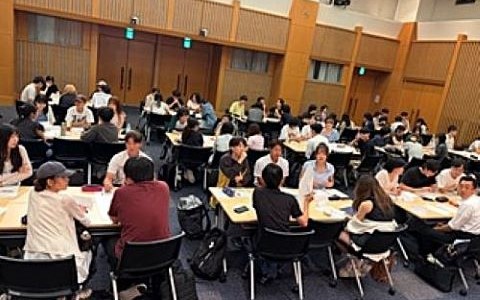
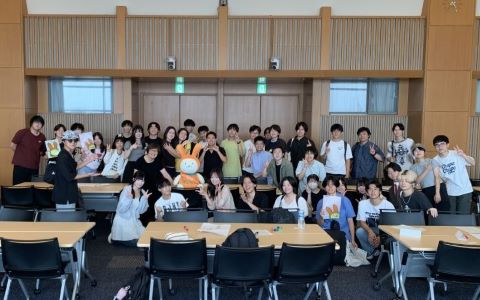
「大学を知る <法政学>への招待」の最終授業では、学生たちがグループに分かれ、「法政大学と自分たちの未来―今後10年以内に法政大学に実現してほしいこと」というテーマについて話し合い、二分間のプレゼンテーションを行いました。
最初のグループが提案したのは、医学部の新設でした。会場のあちこちで思わず笑みがこぼれましたが、その提案に込められた考えはよく理解できました。情報共有をしやすくしたり、学部や学科を越えた学生同士のつながりを促したり、空いている教室の情報を提供したりするアプリの開発を提案したグループもいくつかありました。また、スポーツ施設の改修、仮眠スペースの設置、学生会館の復活など、大学の「ハード面」の改善を求める声もありました。印象に残ったのは、学生のアイデアを公募・審査し、採択された提案を大学のさまざまな資源を活用して実現まで支援するコンテストの創設でした。さらに、二分間では十分に説明しきれないほど内容の豊かな提案もありました。大学憲章や大学のDEIの取り組みを踏まえながら、学部や学科の枠を越え、さまざまな背景を持つ学生同士のつながりを育もうとするものです。
十のグループの代表者たちが熱意と確信をもって語ったこれらの提案には、学部や学科、文化的背景などの違いを越えて人と人とがつながることの必要性と、その価値への認識が一貫して流れていました。そうしたつながりをもっと育むことができれば、学生一人ひとりの大学生活は、間違いなくさらに豊かなものになるでしょう。
プレゼンテーションからは、大学憲章やダイバーシティ宣言、そして大学が進めているさまざまな取り組みに込められた価値や理念を、学生たちがしっかりと受け止めていることも伝わってきました。同時に、それらの価値や理念を言葉として掲げるだけでなく、実際の形にしていきたいという思いも感じられました。それは、大規模な施策だけによるのではなく、学生が日々の生活の中で目にし、実感できるような小さな取り組みを通じても可能なはずです。プレゼンテーションに表れていた学生たちの真剣さと熱意に感銘を受けました。同時に、グループでの話し合いの中では出ていたものの、最終発表では取り上げられなかったアイデアについても、もっと聞いてみたかったという思いが残りました。
学生たちが、大学のこと、そしてこれからこの大学で学ぶ学生たちのことを真剣に考えている姿を見られたことは、とても心強いことでした。これらのアイデアを実際に実現できるかどうかは、まだわかりません。それでも、私は一つひとつをしっかりと書き留めました。これから大学をよりよくし、学生たちの学びと経験をさらに豊かなものにしていく中で、これらの提案を心に留めておきたいと思います。
Students Enrolled in “Introduction to Hosei Studies”
At the final class meeting of “Introduction to Hosei Studies”, the students were divided into groups and asked to discuss among themselves and give a two-minute presentation on the theme, “Hosei University and Our Future: What We Hope Hosei University Will Achieve Over the Next Ten Years.”
The first group proposed establishing a medical school. The suggestion drew an immediate smile from many in the room, but I could readily understand the reasoning behind it. Several groups suggested developing apps that would make it easier to share information, foster connections among students across faculties and departments, and provide information on available classrooms. Improvements to the university’s “hardware” were also proposed, including the renovation of sports facilities, the provision of spaces for naps, and the revival of a student union building. One proposal that stood out was a competition to solicit student ideas and support selected proposals through to implementation with the university’s resources. There were also promising proposals whose full potential could not be conveyed within the two-minute limit, including initiatives aimed at fostering connections across faculties and departments and among students from diverse backgrounds, drawing on the University Charter and the university’s DEI initiatives.
Running through all these proposals, presented with energy and conviction by representatives of the ten groups, was an awareness of both the need for and the value of connections across faculties, departments, cultural backgrounds, and other boundaries. Students’ university experience would indeed be far richer if such connections could be more fully cultivated. The presentations also reflected a strong understanding of the values and principles embodied in the University Charter, the Statement on Diversity, and the university’s various initiatives. Just as important was a desire not merely to articulate these values and principles, but to put them into practice—not only through large-scale initiatives, but also through smaller efforts that students can see and feel in their everyday lives.
I was impressed by the thoughtfulness and commitment evident in the presentations, and I kept wondering about the ideas that had emerged in the group discussions but were not pursued in the final presentations. It was heartening to see students commit themselves to thinking seriously about the university and about the students who will come after them. I am not sure whether these ideas can actually be implemented, but I took careful note of them and will carry them with me as we continue working to strengthen the university and enrich students’ experiences.