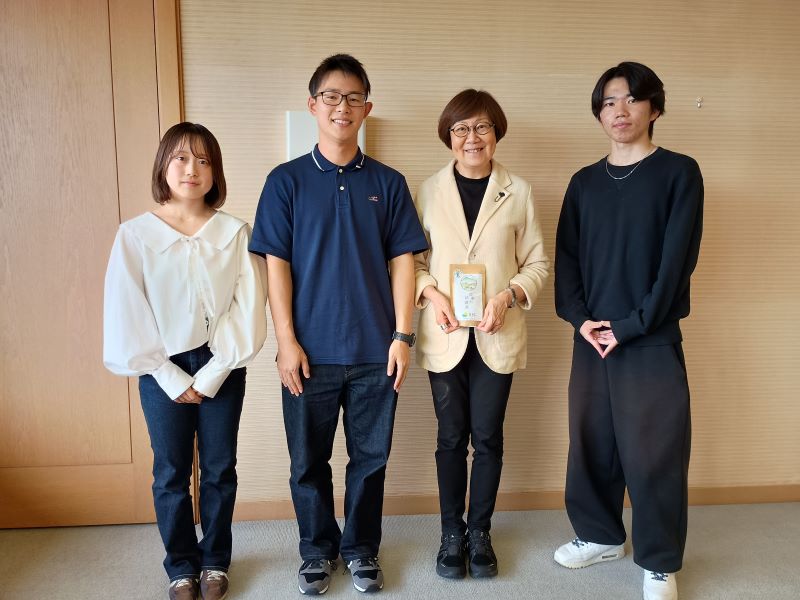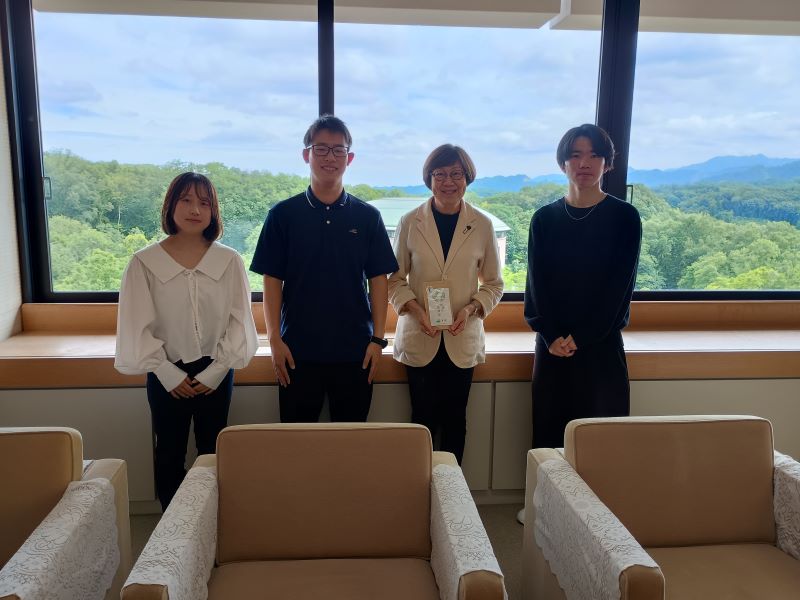
たまぼら佐野川プロジェクト(SIC)の皆さん
耕作の経験がほとんどない、あるいはまったくない学生たちが、耕作放棄地となっていた茶畑に入り、収穫ができるまでに再生させる。しかも、そのお茶が完売するほどの商品になる。そんなことを想像できるでしょうか。法政大学ソーシャル・イノベーションセンター(SIC)佐野川プロジェクトの学生たちは、まさにそれを実現しました。
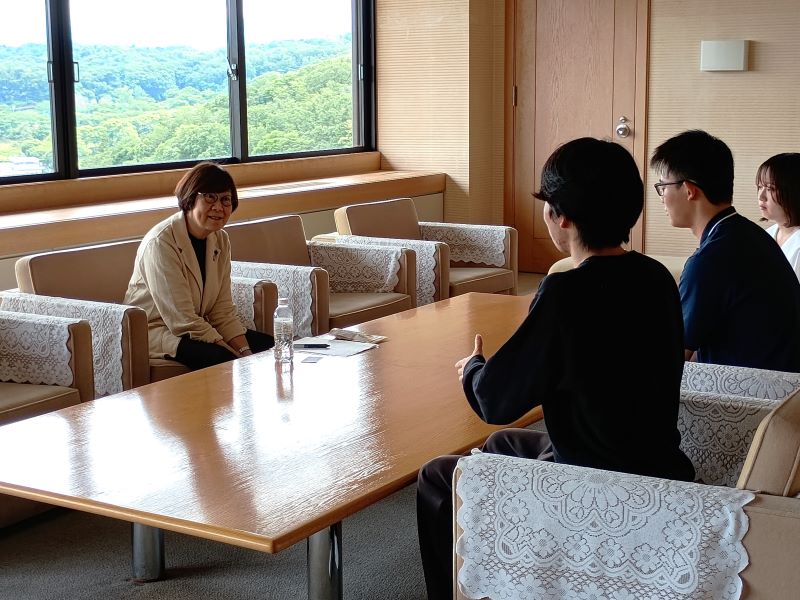
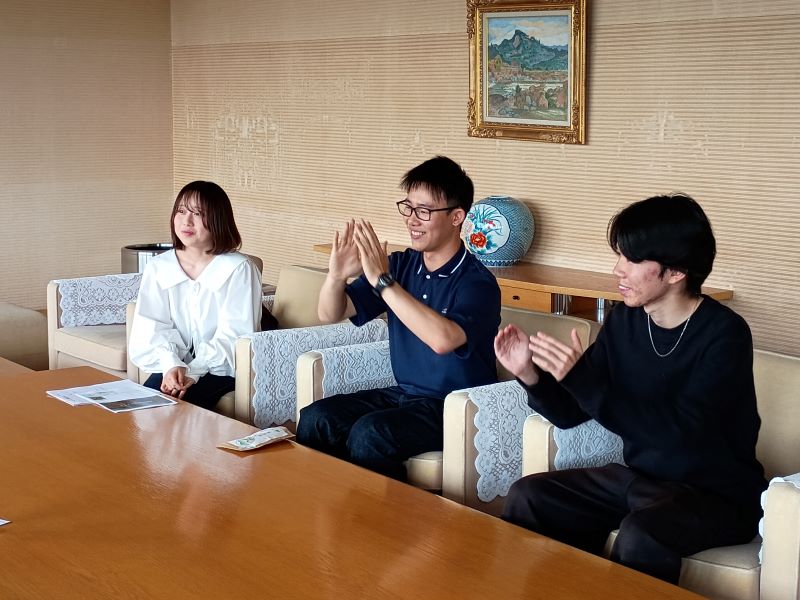
私が会った学生たちは、穏やかで控えめな印象でした。しかし、語ってくれた活動は、決して控えめなものではありません。月に一度、山梨県近くの相模原市佐野川地域の茶畑まで足を運び、数時間、集中して畑仕事に取り組む。そして、駅へ戻る唯一のバスに間に合うよう急いで帰路につく。こうした努力を継続的に重ねながら、よい収穫のために、そして何よりおいしいお茶をつくるために、茶畑を健やかな状態に保ってきました。
さらに印象的だったのが、パッケージです。茶畑の雰囲気を見事にすくい取った、控えめで美しいデザインでした。SICのロゴを手がけた学生が、このパッケージもデザインしたのだそうです。学生たちは、お茶を育てるだけではありません。マーケティングから販売まで、自分たちの手でお茶を人々に届けるところまで担っています。
今回、私が話を聞いたのは三人の学生でしたが、チーム全体では約七十人が活動しているそうです。そしてもちろん、これは一つの学年、一つの世代の学生たちだけの取り組みではありません。耕作放棄地だった場所が、いまでは生き生きとした、少しずつよくなっていく茶畑へと姿を変えている。その歩みは、何世代もの学生たちによって受け継がれてきたものです。学生が大学に在籍するのは、およそ四年間。そのことを考えると、この取り組みが途切れることなく続いてきたことのすごさが、いっそう際立ちます。
学生たちは皆、コミュニティづくりや地方創生に強い関心を持っています。地方創生は、法政大学が力を入れてきた分野でもあります。その関心と活動が結びついていることはもちろんですが、それだけではありません。実際に現場で活動することを通じて、地域が抱える課題への理解を深めていることも、よく伝わってきました。
自分たちの活動を「自慢する」ことには少し遠慮があるようでした。けれども、私は十分その権利があると思います。そして、地方が直面している課題や、これから必要とされる取り組みについて尋ねると、学生たちは一気に言葉を豊かにして語り始めました。
きっと、これからの地方の再生に貢献していくでしょう。というより、すでに十分な実績を積み上げています。
そして、お茶については安心して任せられます。なにしろ、メンバーの一人は日本茶の本場、静岡県の出身なのです。今日は残念ながら、前回分が完売していてお茶を手に入れることはできませんでした。でも、次の新茶のために、私はすでに「寄付」を済ませています。
今から楽しみでなりません。
Team members of Tamabora Sanogawa Project (SIC)
Can you imagine going to an abandoned farmland site with little or no experience in cultivation, and reviving the tea field not only to the point where it produces a harvest, but where the resulting products sell out? That is exactly what the students at the Social Innovation Center (SIC) Sanogawa Project have done.
The students I met were soft-spoken and modest in manner, but the activities they described were anything but modest. Once a month, they travel all the way to a field in the Sanogawa area of Sagamihara City,near Yamanashi Prefecture, work intensively for a few hours, and then rush to catch the only bus back to the station. They have continued this effort steadily over time, maintaining the tea fields in healthy condition for a good harvest and, just as importantly, delicious tea. And then there is the packaging: a beautifully understated design that captures the character of the tea fields with great sensitivity. I learned that the same student who designed the SIC logo designed the packaging as well. The students also take responsibility for bringing the tea to the public, from marketing it to selling it themselves.
I spoke with three students, but I understand that the team is much larger—around 70 students in all. And this is only one cohort. The transformation from abandoned farmland to thriving, steadily improving tea fields has taken several generations of students. The fact that students spend only four years or so at the university makes this sustained effort all the more remarkable.
All of them are interested in community building and regional revitalization, an area in which Hosei University has made a strong commitment. I could see not only how this interest aligns with their activities, but also how the activities themselves are helping them deepen their understanding of the issues at stake. Although they were a little hesitant to “brag” about what they had accomplished—which, I must say, they have every right to do—they became eloquent when asked about the challenges facing regional communities and the kinds of attention those challenges require.
I have no doubt that they will contribute to revitalizing regional communities. In fact, they already have a strong track record.
And when it comes to tea, you can trust them: one of the students is from Shizuoka, the heartland of Japanese tea. I was not able to get my tea today because the last batch had already sold out. But I have already “donated” in advance for the new tea.
I can’t wait.