杵築の旅
かつて、ある学生が外交官に「どうすれば外交官になれますか」と尋ねたそうです。外交官の答えは、とてもシンプルなものでした。「歴史を学びなさい」。確かに、歴史を学ぶということは、単に過去に何が起きたのかを知ることではありません。私たちが生きる世界がどのように形づくられてきたのか、その過程で人々がどのような選択をしてきたのか、そして、別の選択をしていたら、どのような未来があり得たのかを考えることでもあります。
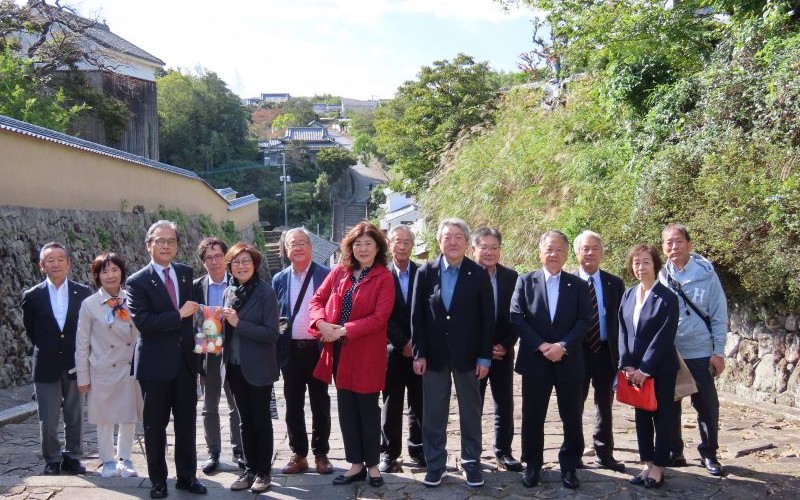
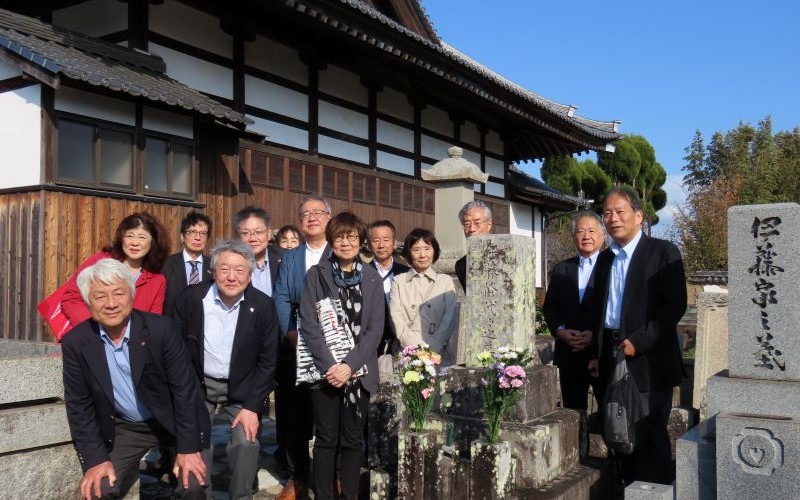
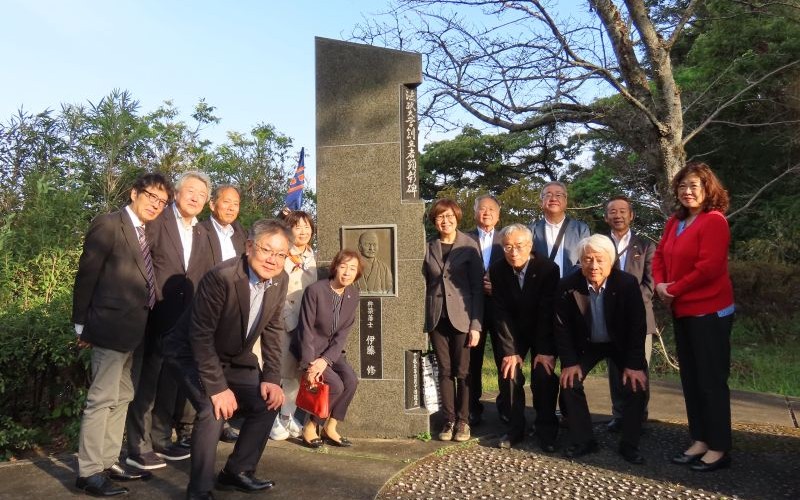
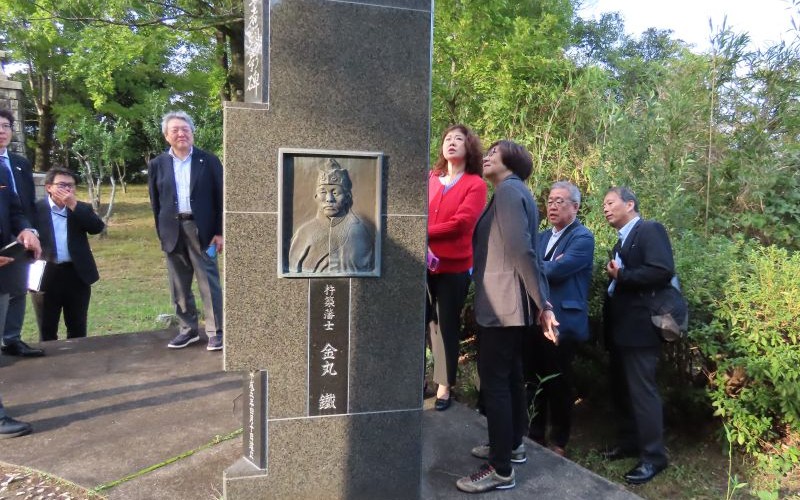
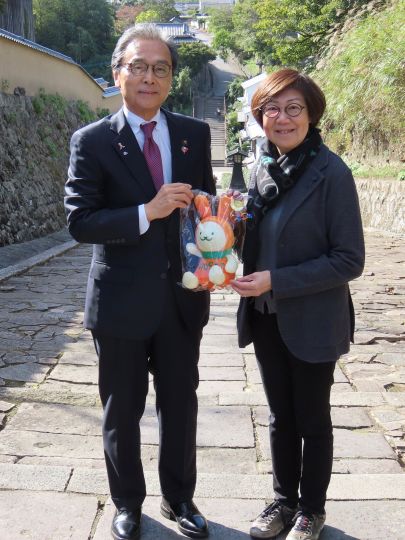
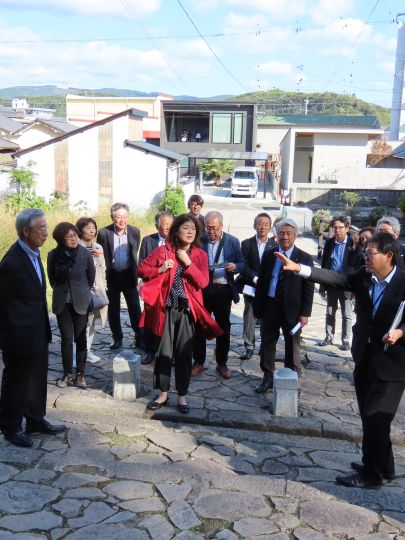
私は以前から、歴史を学ぶことの大切さを感じてきました。それでも、先日、大分県の歴史ある城下町、杵築市を訪れた際、自分でも驚くほど心を動かされました。杵築は、法政大学の創立者である金丸鉄と伊藤修の故郷です。
19世紀半ば、杵築の武士の家に生まれた二人は、やがて東京へと向かいます。金丸は出版社を設立し、日本で最も早い時期の法律雑誌の一つを創刊しました。一方、伊藤は代言人として活動しました。そして1880年、二人は薩埵正邦とともに、法政大学の前身である東京法学社を設立しました。当時、二人はまだ20代でした。日本が大きな変革の時代を迎え、近代的な法制度が整えられつつある中で、新たな挑戦に踏み出したのです。
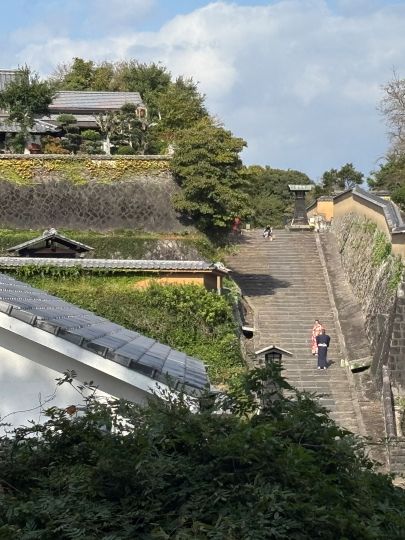
杵築は、武家屋敷や昔ながらの町並み、特徴的な坂道が残る美しい町です。北台・南台地区は、国の重要伝統的建造物群保存地区に選定されています。町を歩いていると、まるで時代をさかのぼったような感覚になりました。時折通り過ぎる車が、ここが今の時代であることを思い出させてくれるほどでした。
そんな町を歩きながら、金丸と伊藤が育った時代や暮らしに思いを馳せました。この町を離れて東京へ向かい、やがて法律を教える学校を設立する。その決断は、どれほど大きな一歩だったのでしょうか。二人を突き動かしたのは、どのような志や可能性への期待だったのでしょうか。そして、自分たちが立ち上げた小さな学校が、今日の法政大学へと発展することを、果たして想像できたでしょうか。
その場所に立って、私は深い感謝の気持ちに包まれました。法政大学の最初の種をまいた若き創立者たちへの感謝。そして、その後、それぞれの立場で大学を支え、発展させてきた数え切れないほどの人々への感謝です。同時に、その歩みを受け継いでいくことへの責任と、自分自身の使命を改めて強く感じました。
私にとって、それは単に受け継いできたものを守ることではありません。建学の精神である「自由と進歩」、そして2016年に制定された法政大学憲章に掲げる「自由を生き抜く実践知」。こうした理念を大切にしながら、時代に応じて新たな形で実現していくことだと考えています。
歴史を振り返ることは、大学が生まれたときの志や、その発展を支えてきた人々の歩みを知るだけではありません。そもそも、この大学の誕生を可能にしたのは、既存の秩序に問いを投げかけ、新しい道を切り拓こうとする勇気と情熱、そして行動力だったことを思い起こさせてくれます。
教育もまた、立ち止まることはできません。創立者たちは、急速に変化する日本社会の中に新たな可能性を見いだし、それを実現するために行動しました。時代も状況も大きく異なりますが、さまざまな課題に直面する今日、私がダイバーシティ・エクイティ&インクルージョン(DEI)の推進や、大学のさらなるグローバル化に取り組むのも、こうした精神を受け継ぐことだと考えているからです。それは、長年当たり前とされてきた考え方を問い直し、これまで十分に声を届けることができなかった人々にも機会を開き、異なる視点が互いに刺激し合い、学びを深められる環境をつくることです。単に変化に対応するのではなく、自ら未来を形づくっていくことでもあります。
変化に対応することは、自分たちの進むべき方向を見失うことではありません。むしろ、その逆です。自分たちが大切にする価値観や理念、つまり「軸」が明確であるからこそ、既存のやり方を問い直し、新たな可能性を探り、難しい判断にも自信を持って向き合うことができるのだと思います。
これもまた、歴史が私たちに教えてくれる大切なことの一つではないでしょうか。先人たちの精神を受け継ぐことは、必ずしも先人たちと同じ道を歩むことではありません。むしろ、先人たちが新たな道を切り拓くことを可能にした、その勇気と想像力を、私たち自身が受け継いでいくことなのだと思います。
Journey to Kitsuki City
A student once asked a diplomat a simple question: “How can I become a diplomat?” The answer was equally simple: “Study history.” Indeed, studying history is not simply about learning what happened in the past. It is about understanding how the world we live in came to be, the choices people made along the way, and how things might have turned out differently.
I have long appreciated the value of studying history. Even so, I was surprised by how deeply moved I felt during my recent visit to Kitsuki, a historic town in Oita Prefecture and the hometown of two of Hosei University's founders, Kanamaru Magane and Ito Osamu.
Born into samurai families in Kitsuki in the mid-nineteenth century, Kanamaru went on to establish a publishing company and launch one of Japan's earliest legal journals, while Ito became a legal advocate. In 1880, together with Satta Masakuni, they founded Tokyo Hogakusha, the predecessor of Hosei University. Still in their twenties, they embarked on this venture as Japan was undergoing profound transformation and building its modern legal institutions.
Kitsuki is a beautiful historic town, with old samurai residences, traditional streets, and distinctive slopes. Its Kitadai and Minamidai districts have been designated an Important Preservation District for Groups of Traditional Buildings. Walking through the town felt almost like slipping back in time, with only the occasional passing car bringing me back to the present.
It was not difficult to imagine the world in which Kanamaru and Ito had grown up. I found myself wondering about the enormous leap they had made in leaving this town for Tokyo and eventually establishing a school of law. What aspirations and possibilities had inspired them? Could they ever have imagined that their small institution would grow into the university we know today?
Standing there, I felt an overwhelming sense of gratitude—to these young founders, who planted the first seeds of Hosei University, and to the countless people who followed, each contributing to its development in different ways. I also felt a renewed sense of responsibility, and a sense of mission, to carry their work forward.
For me, this means more than preserving what we have inherited. It means keeping alive and giving new expression to the founding spirit of “Freedom and Progress”, reaffirmed in the Hosei University Charter of 2016, “Practical Wisdom for Freedom”.
History reminds us not only of the aspirations that gave rise to our university and the generations who shaped it, but also of the courage, energy, and willingness to question the established order that made its founding possible.
Education, after all, cannot stand still. Our founders saw possibilities in a rapidly changing Japan and had the courage to act. Today, in a very different but equally challenging world, I see advancing diversity, equity, and inclusion, and fostering a more global university, as ways of continuing that spirit. This means questioning long-held assumptions, opening opportunities for those whose voices have often gone unheard, and creating an environment where different perspectives can challenge and enrich one another. It is not simply about adapting to change, but helping to shape the future.
Yet responding to change does not mean losing our sense of direction. Quite the opposite. The clearer we are about the values and principles that define us—our axis —the more confidently we can question existing practices, explore new possibilities, and make difficult choices.
Perhaps that is one of the most important lessons history offers us. To remain true to the spirit of those who came before us, we need not follow in their footsteps. We need to carry forward the courage and imagination that enabled them to forge a new path in the first place.