迷うこと
一人で買い物ができるくらいの日本語が身についた頃、私はいつも、「こちらが一番人気です」と言われると、どう受け止めればよいのかよくわかりませんでした。ケーキでも、シャツでも、靴でも同じです。時には、私が外国出身であることに気づいて、というより、私のアクセントでわかってしまうのですが、店員さんが「こちらは外国の方に人気です」と付け加えてくれることもありました。
では、それを買うべきなのでしょうか。なぜでしょう。多くの人が好きなら、きっといいものに違いない、ということなのでしょうか。私には、その理屈がどうもよくわかりません。実際、友人が30分並んで買ってきてくれたチョコレートケーキで、かなり残念な経験をしたこともあります。結局のところ、「人気がある」という情報が教えてくれるのは、他の人たちが何を選んだかということです。それが、私がおいしいと思うかどうかまでは教えてくれません。
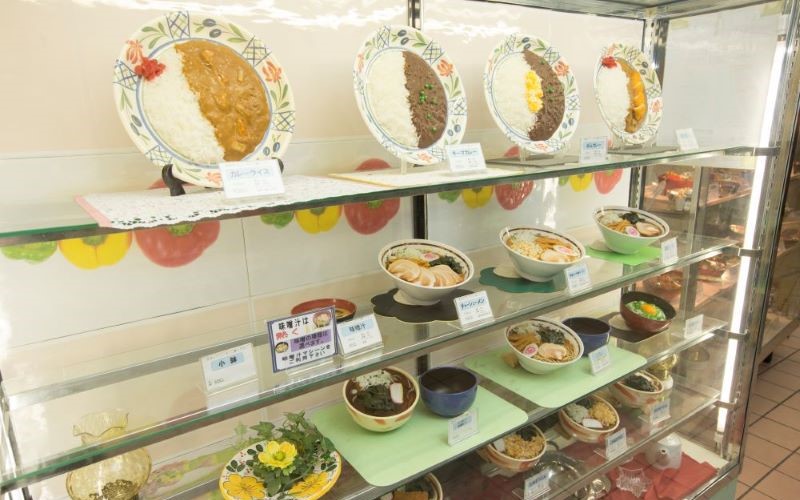
レストランでも、似たような抵抗を感じることがあります。知り合いが「おすすめは何ですか」と聞いて、時にはメニューを開く前に、そのおすすめをそのまま注文してしまう時です。そういう人に限って、他の人が食べ物や飲み物のメニューをじっくり見て決めようとすると、少し待ちきれない様子を見せたりします。でも、私はメニューを見る時間が結構好きです。選択肢を眺めながら、自分は何を食べたいのだろうと考える時間が好きなのです。
そもそも、迷うことの何がそんなに悪いのでしょうか。すぐに決められないことの何がいけないのでしょうか。1年生の学生から、自分が何を学びたいのか、どのゼミに入りたいのか、将来どのような仕事に就きたいのか、まだ決められないという声を聞くことは珍しくありません。私にとっては、決めるまでの過程は、決めた内容そのものと同じくらい大切です。急いで答えを出すよりも、選択肢を見比べ、少し迷うことは、悪いことではありません。むしろ、必要なことでもあると思います。
いくつかの道を思い描き、その先にあり得る結果を考え、自分が何に惹かれ、何にはあまり心が動かないのかに気づいていく。その過程は、決断に至るまでの寄り道ではありません。それ自体が、決めるということの一部なのだと思います。時には、用意されている選択肢のどれにもあまり惹かれない、ということに気づくかもしれません。それもまた、大切な発見です。
迷うこと、ためらうこと、悩むことは、決して無駄ではありません。それは一つの決断につながるかもしれません。ただし、それが必ずしも「最善」の決断であるとは限りません。そもそも「最善」とは何か、という問題もあります。おそらくそれは、その時点で自分ができる最もよい決断、ということなのだと思います。そして、その過程は、決断だけでなく、創造性や自己理解、忍耐、そして自分が本当に大切にしているものをよりはっきり知ることにもつながっていきます。もちろん、私たちは素早く決断しなければならない場面もあります。日常の中で迷い、選択肢を比較し、結論にたどり着くまでに費やす時間は、そうした瞬間に備えるための静かな準備なのかもしれません。
もちろん、時には、友人が注文したものにすればよかったと思うこともあります。食事の間ずっと、友人のお皿を眺めながら、あれが自分のだったらよかったのに、と思っていることもあります。でも、次の食事はまたやってきます。
Hesitation
When I had acquired enough Japanese to shop on my own, I never quite knew what to make of the line, “This is our most popular item”—whether it was a cake, a shirt, or a pair of shoes. Sometimes, noticing my foreign roots—my accent gives me away!—the shop attendant would add, “This one is popular with foreigners.” I would stand there wondering: So, should I buy it? And if so, why? Because many people like it, it must be good? The logic has always escaped me. I once had a rather disappointing encounter with a chocolate cake that a friend had lined up for half an hour to buy. In the end, popularity tells me what others have chosen. It does not tell me what I will enjoy.
At restaurants, I feel a similar resistance when an acquaintance asks for “recommendations” and then orders exactly what is recommended, sometimes before even opening the menu. Not surprisingly, this is often the same person who becomes impatient when others take time to read through the food and drink menus before deciding. But for me, that time matters. Looking through the options and thinking about what I might enjoy is part of choosing.
What, after all, is so bad about vacillating? What is so wrong with not being able to decide quickly? First-year students often say that they do not yet know what they want to study, which seminar they want to enter, or what kind of career they want to pursue. To me, the process of deciding is as important as the decision itself. It is not only acceptable, but often necessary, to weigh one’s options and waver a little instead of rushing toward an answer.
That process—imagining different paths, considering possible outcomes, noticing what attracts us and what leaves us cold—is not a detour from decision-making. It is decision-making. Sometimes we discover that none of the available options truly appeals to us. That, too, is useful knowledge.
To be unsure, to hesitate, to struggle with a decision—these are not wastes of time. They may lead to a decision, though not necessarily the “best” decision, whatever that means. More likely, it is simply the best decision one can make at that particular moment. But the process can also lead to something more: creativity, self-knowledge, patience, and a clearer sense of what one actually values. There are times, of course, when we need to make decisions quickly. Perhaps the time we spend hesitating, weighing options, and arriving at decisions in everyday life is a kind of quiet preparation for those moments.
Every now and then, of course, I wish I had ordered what my friend ordered. I spend the whole meal staring at her plate and wishing it were mine. But there is always the next meal.