応援ということ
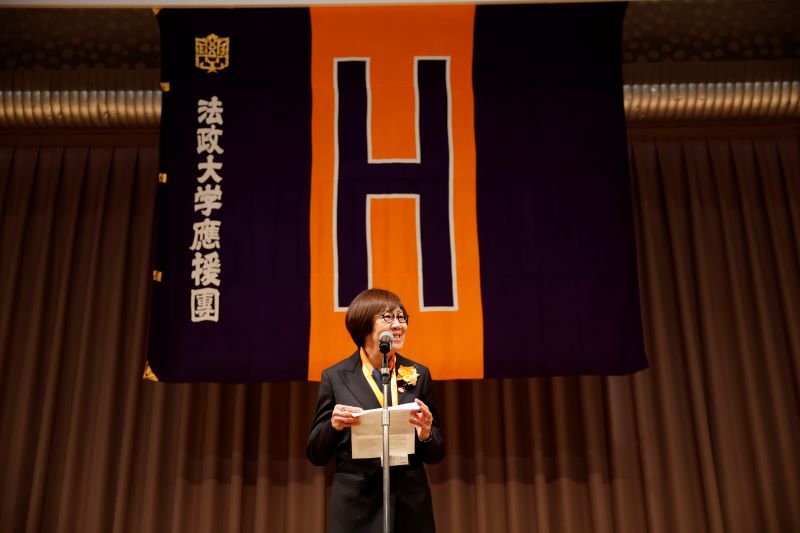
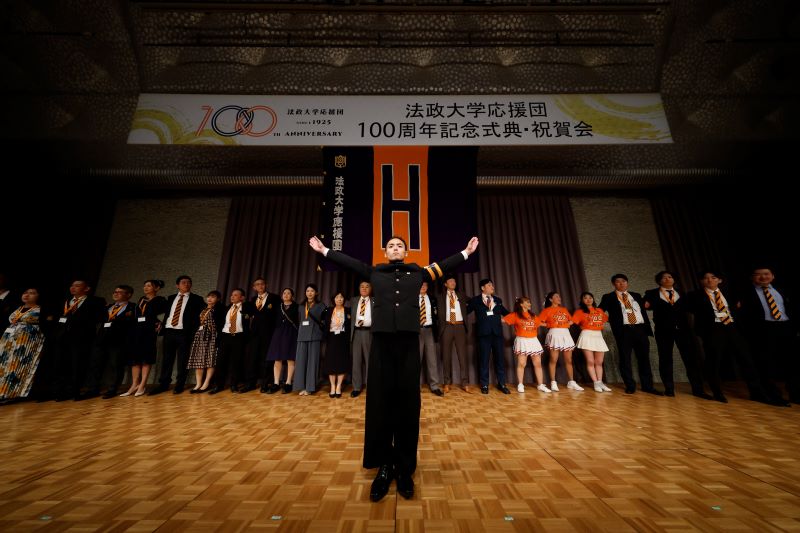
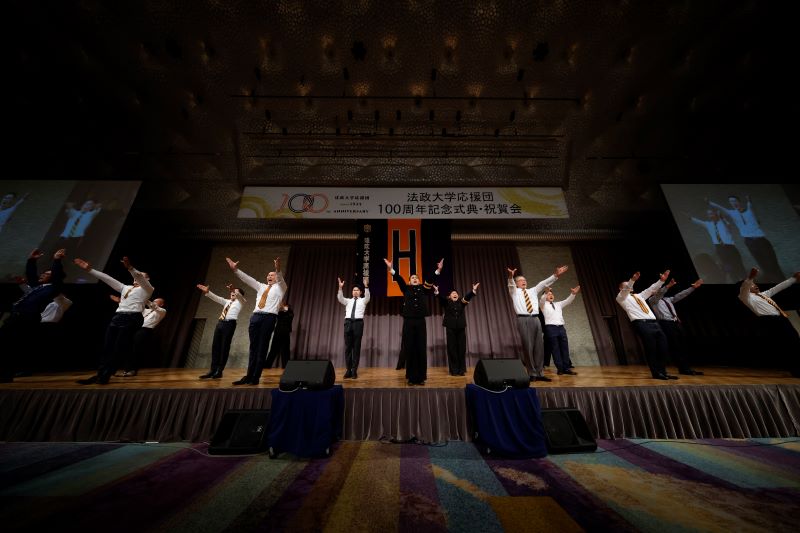
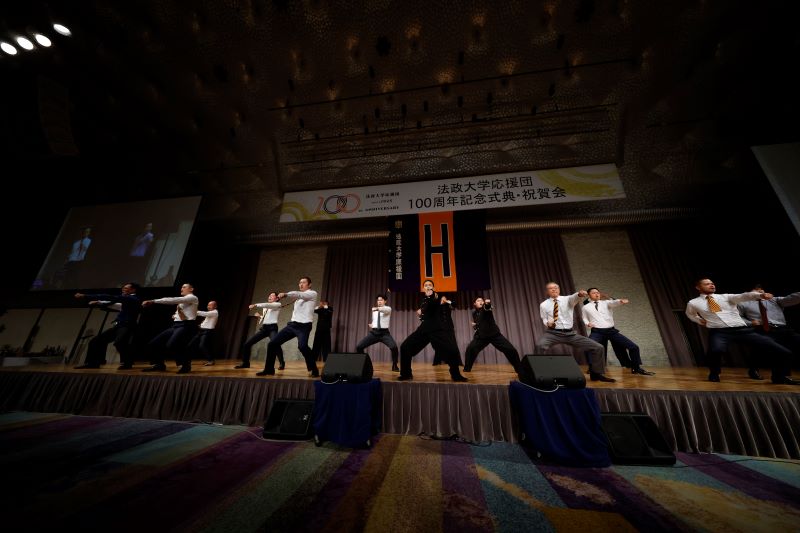
昨年11月に、本学の応援団100周年記念を祝う盛大なイベントに参加させていただきました。応援団は、リーダー部、チアリーディング部、そして吹奏楽部によって構成されています。
ジェンダーの視点からは、男女の役割分担や、女らしさ・男らしさの演出といったジェンダー規範の再生産についての指摘もあります。しかし、かつて神宮球場の応援ステージに女子チアリーダーが上がれなかったルールも廃止され、東京六大学の中でも、女子リーダーや男子チアグループの活躍が見られるようになってきました。これからも、社会的な要請や時代の変化に沿って、応援団のあり方は変わっていくのだと思います。一方で、変わらないのは「応援する」というその意味そのものではないでしょうか。
総長になって10か月が経ち、さまざまなイベントに出席する機会が多くなっています。その際、「頑張ってください、応援しています」「先生のお考えの通りにやればいい、応援します」「総長さんを応援していますよ」「私たちはあなたの味方です」「思い切ってやってください」など、幅広い年齢層の卒業生、教え子、同僚、保護者の方々から声をかけていただきました。多くは社交的な場でのやり取りでもあり、これらの言葉はその場の流れの中で交わされた一言だったのかもしれません。しかし、私にとっては大きな励みとなりました。特に、物事がうまくいかない時や自信を失いかけている時には、これらの言葉を思い出し、勇気づけられています。これこそが、応援の力なのだと思います。
言葉や一般的な考え方の中では、主役と脇役が分けられていることが多いですが、別の世界観も成り立つのではないでしょうか。チームの中には多様な役割分担があり、それらが結びつくことでチームは成り立ち、力を発揮します。さらに、応援する側や、いわゆるサポート役、またアスリートを支えるトレーナーなどは、しばしば「脇役」と見なされがちですが、決して単なる脇役ではありません。むしろ、道教における陰陽の考え方のように、相互に関係し合い、その関係性の中で全体としての完成度が生まれているのではないかとも考えられます。
多くの方が「私は何もできませんが、陰ながら応援しています」とおっしゃいます。しかし、応援団のような賑やかな応援も、静かに心の中で送る応援も、応援される人にとっては、大きな勇気や励み、希望、そして支えになるはずです。
On Cheering
Last November, I had the opportunity to attend a grand event celebrating the 100th anniversary of our university’s cheer squad. The cheer squad consists of three parts: the leader corps, the cheerleading team, and the wind orchestra. From a gender perspective, there have been critiques pointing to the reproduction of gender norms, such as the division of roles between men and women and the staging of femininity and masculinity. However, rules that once prohibited female cheerleaders from being allowed onto the cheering stage at Jingu Stadium have since been abolished, and among the Tokyo Big Six universities we are now seeing the active participation of female leaders and male cheer groups. The form and practices of cheer squads will no doubt continue to change in response to social expectations and the times. What I believe will remain unchanged, however, is the meaning of cheering itself.
It has now been ten months since I assumed the role of university president, and I find myself attending a wide range of events. On these occasions, alumni from across generations, former students, colleagues, and students’ parents and guardians have offered words such as, “Please do your best—we’re cheering you on,” “Go ahead and do what you believe is right; we’re behind you,” “We’re rooting for you,” and “Be bold and go for it.” Many of these exchanges took place in social settings, and the words might have been offered in the course of those moments. Even so, they became a great source of encouragement for me. Especially when things are not going well, or when my confidence begins to waver, recalling these words gives me renewed courage. This, I believe, is the power of cheering.
In everyday language and in common ways of thinking, people are often divided into leading roles and supporting roles. Yet I believe another way of seeing the world is possible. Within any team, there is a division of roles, and it is through the combination of these roles that a team functions and performs. Furthermore, those who, for example, cheer others on, along with those such as trainers who work behind the scenes to support athletes, are often regarded as playing support or “secondary” roles—but they are by no means merely secondary. Rather, much like the concept of yin and yang in Taoist thought, they exist in a mutually relational way, and it is through this interdependence that a sense of wholeness emerges.
Many people say, “There’s not much I can do, but I’m cheering for you quietly from the sidelines.” Yet whether encouragement takes the form of the lively cheers of a cheer squad or the silent cheering held in one’s heart, for those who are being cheered on it can become a powerful source of courage, motivation, hope, and strength.