性的指向と性自認のあり方に関する人口学的研究
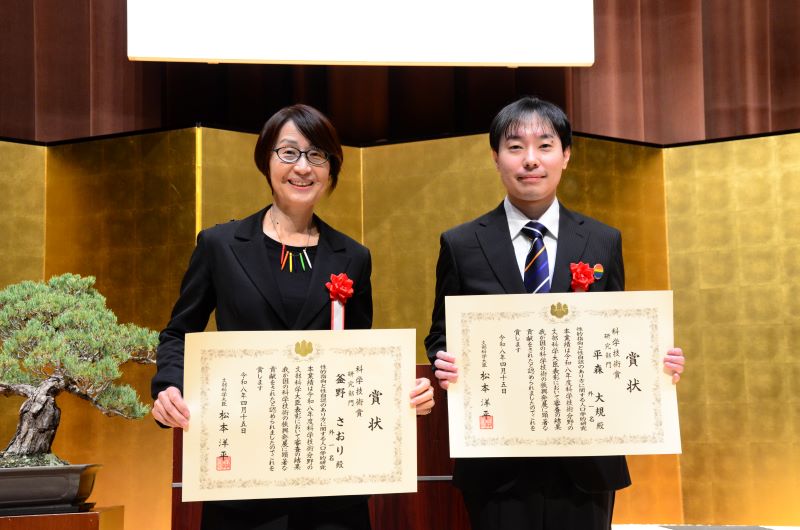
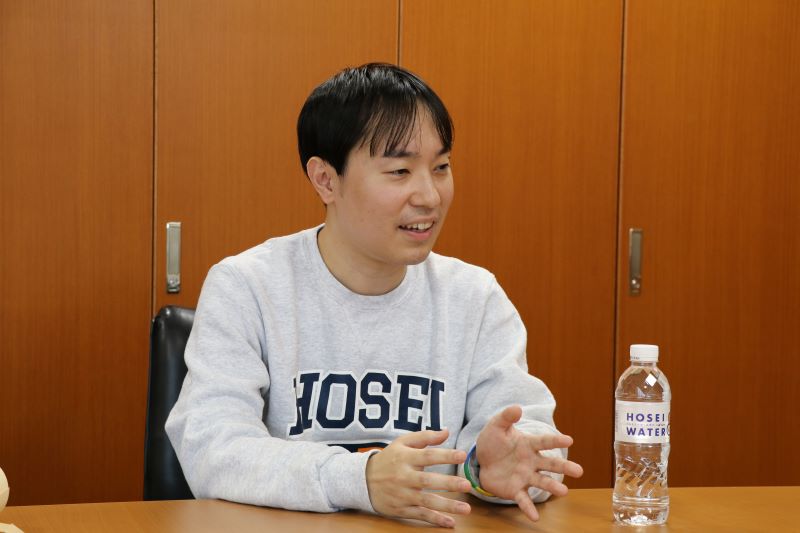
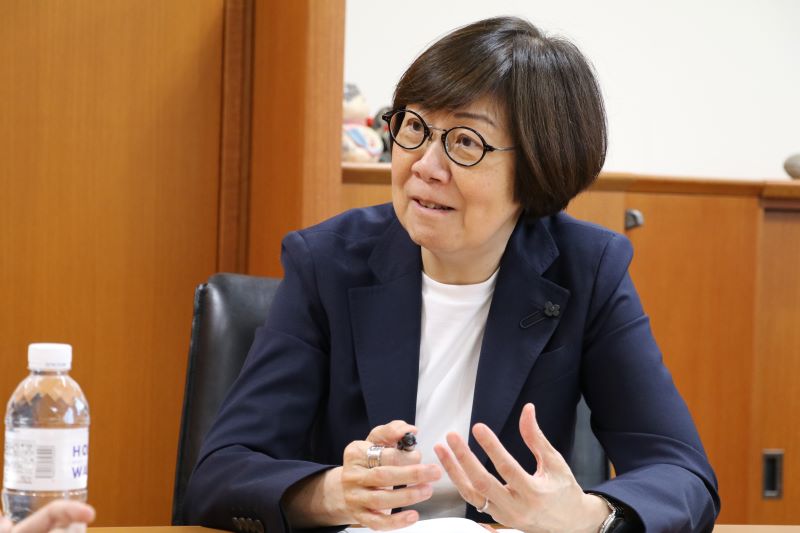
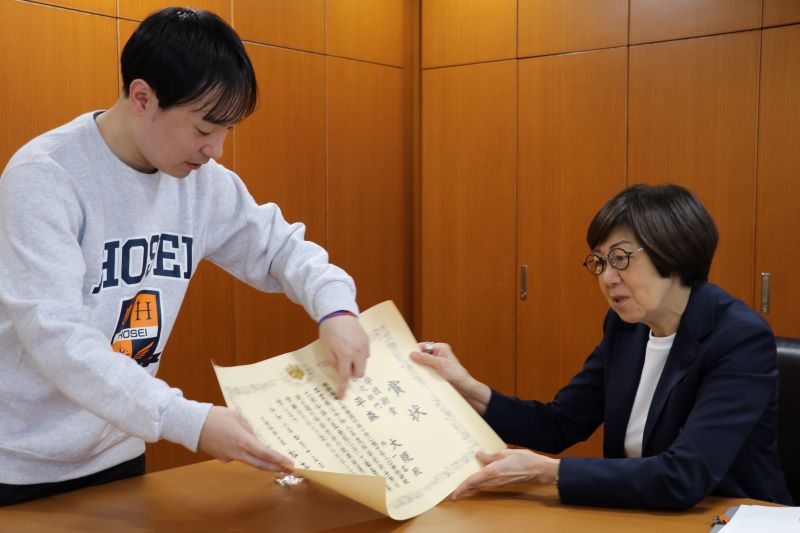
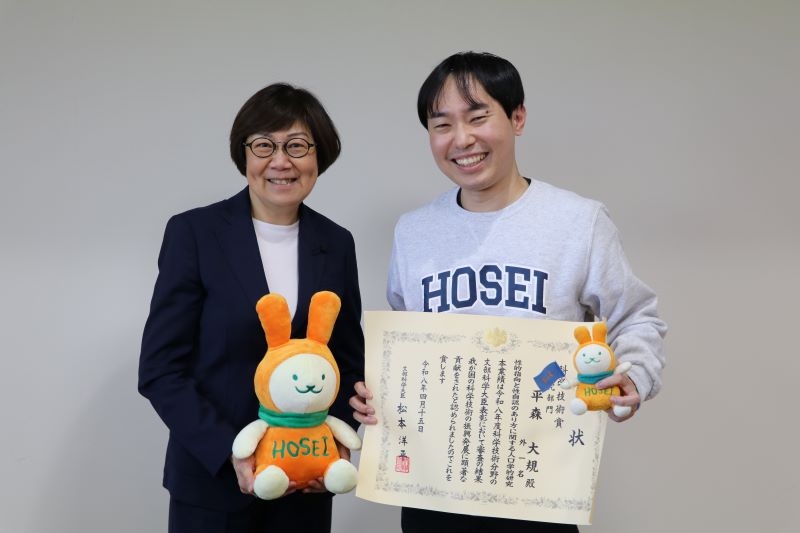
これまで本コラムでは、公表された研究成果をもとに法政大学の研究者の活動を紹介してきましたが、今回は若手研究者に直接お話を伺う貴重な機会を得ました。GISの平森大規先生はこのたび、「令和8年度科学技術分野の文部科学大臣表彰(科学技術賞〈研究部門〉)」を受賞されました。受賞対象となったのは、性的指向と性自認 のあり方に関する人口学的研究であり、その方法論が高く評価されました。
本研究は、人口学という分野においてセクシュアリティが無関係ではないことを示すとともに、これまで小規模な質的研究(多くは有意抽出されたサンプルに基づく)や、自己選択バイアスを伴う大規模量的調査によって蓄積されてきた知見を、体系的に検証することを可能にするものです。とりわけ重要なのは、大規模調査の中で性的指向や性自認のあり方を客観的に把握する方法を提示している点です。この点の意義は非常に大きく、居住地の移動や子どもを持つかどうかの決定、メンタルヘルスの状態など社会生活のさまざまな側面において、性的マイノリティとそうではない人々を一般化可能なかたちで比較できる道を開きます。
本研究は、多様性・公平性・包摂性のある社会の実現とも深く関わっています。平森先生の研究の根底には、不平等や差別の状況を変え、よりよい社会を築きたいという思いがあります。こうした問題意識のもと、平森先生は研究者の役割についても明確なお考えをお持ちです。研究者としてのご自身の役割は、信頼できるデータと確かな知見を提示することにあると捉えていらっしゃいます。それらは、政策の検討や提言、さらには実務やアドボカシーに取り組む人々にとっても重要な基盤となり得ます。
日常の教育や研究の現場においても、社会学的な視点を生かして問題提起をされています。学生に望むことは何でしょうか。身の回りの当たり前をそのまま受け入れるのではなく、「なぜ」と問い続ける姿勢を持つことです。また、授業中に見られる差別的な発言についても、それを学びの機会へとつなげようとされています。なお、現在のDEIセンターの名称を検討した際、「E(Equity)」を入れることを提案されたのも平森先生です。
関連リンク
Dr. Daiki Hiramori, winner of the MEXT Minister’s Award for Science and Technology (Science and Technology Award, Research Category, FY2026)
I have relied on published sources to introduce Hosei members’ research in this column, but this time I had a rare opportunity to speak with an early-career researcher. Dr. Daiki Hiramori (GIS) has just received the MEXT Minister’s Award for Science and Technology (Science and Technology Award, Research Category, FY2026) for his research on the demography of sexual orientation and gender identity.
His work affirms the relevance of sexuality in the field of demography and enables the systematic examination of findings accumulated in small-scale ethnographic studies—often based on purposive samples—as well as in large-scale surveys that may be affected by self-selection bias. Importantly, it provides an objective way to capture sexual orientation and gender identity in large-scale surveys. The significance of this cannot be overstated, as it opens the way to generalizable comparisons between sexual and gender minorities and non-minorities in migration, desire to have children, mental health, and many other important aspects of social life.
This research bears directly on the realization of a diverse, equitable, and inclusive society. Underlying Dr. Hiramori’s work is a desire to change conditions of inequality and discrimination and to help build a better society. At the same time, he is clear about the role of researchers: he sees it as the responsibility of the researcher to produce reliable data and robust findings—data and findings that can inform efforts to to advance policy change, including advocates and practitioners.
In his daily work, Dr. Hiramori also draws on his research and sociological perspective to raise awareness. What does he hope for his students? To remain curious and to ask “why,” especially about taken-for-granted aspects of everyday life. He also seeks to turn discriminatory remarks in the classroom into opportunities for learning. Incidentally, Dr. Hiramori was the one who suggested adding the “e” (for equity) when we were considering the name of what is now the DEI (Diversity, Equity & Inclusion) Center.