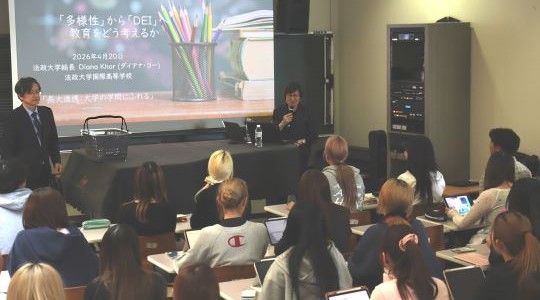
法政大学国際高校✕法政大学 高大連携講座の受講者の皆さん
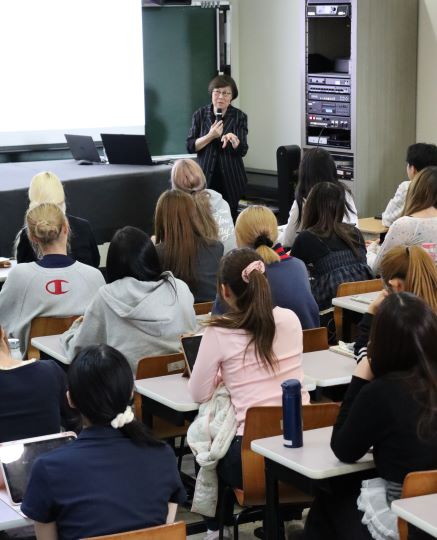
講義をあえて短めに設定し、ディスカッションと質疑の時間を確保したのは、結果として良い判断だったと感じています。事前に資料を共有していなかったため、学生にとっては今回が初めて内容に触れる機会でしたが、それでも質問や議論には、しっかりと考え抜かれた様子がうかがえました。
今回の講義のタイトルは『「多様性」から「DEI」へ:教育をどう考えるか』。法政大学の教員が法政国際高校の2・3年生を対象に行っている『大学の学問にふれる』高大連携講座の一つとして実施したものです。講義では、ダイバーシティ、エクイティ、インクルージョンについての基本的な考え方を紹介しました。グループディスカッションでは、こちらから複数のテーマを提示しましたが、いずれのグループも「男女別入試定員の設定」または「体育における男女共習」のいずれかを選び、議論を行いました。議論が始まるとすぐに活発なやり取りが生まれ、また各グループの代表による発表も非常に分かりやすくまとめられていたのが印象的でした。男女別入試定員の是非や、男女共習の意義、さらには性別ではなく運動能力に基づいてどのように公平に区分すべきかといった点について、自分たちに身近な課題として、丁寧に考えられた意見が交わされていました。加えて、質疑応答では、ポジティブ・アクションや偏見をどのように是正していくか、DEI推進の負の側面などについても、的確で時に考えさせられる質問が寄せられました。
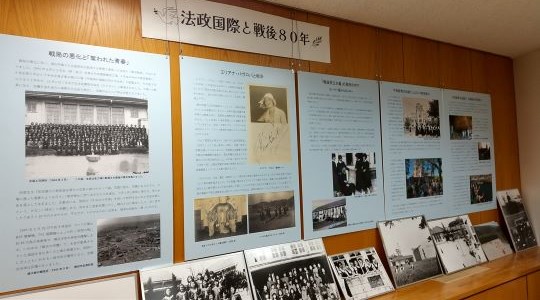
講義に先立ち、担当の先生にご案内いただき、図書館で学校の創設期から戦後間もない時期までの歴史に関する展示を見学しました。制服のデザインや広島・沖縄への研修旅行、英語教育への取り組みなどからは、創立当初から現在に至るまで、「平和」「自立」「国際教育」を重視する教育理念が一貫して受け継がれていることが感じられます。こうした連続性は、卒業生や在校生にとって大きな誇りとなっているに違いありません。
展示や学校の歴史だけでなく、学生との交流を通じても、多くのことを感じる機会となりました。法政国際高校と法政大学の教育理念や社会的な志向には、確かなつながりがあることを実感しました。
今回の講義を通じて、改善すべき点も見えてきました。来年に向けて、すでに新たな工夫を考え始めています。そして何より、いずれ生徒の皆さんと大学で再び出会う日を楽しみにしています。
Participants in the Hosei Kokusai–Hosei University Lecture Series
It was, indeed, a good decision to keep the lecture short in order to allow time for discussion and questions. As I had not shared the materials in advance, this was the students’ first exposure to the content. Even so, their questions and discussions were thoughtful and well considered.
The title of my lecture was “From Diversity to DEI: Rethinking Education,” part of a series of talks given by Hosei University faculty to second- and third-year students at Hosei Kokusai High School. I introduced some of the basic ways of thinking about diversity, equity, and inclusion. In the small-group discussions, students selected two topics from a list I had suggested—gender-specific admission quotas and coeducational physical education. I was struck by how quickly they engaged with one another once the discussions began, and by how clearly the group representatives summarized their conversations. They explored the pros and cons of gender-segregated admission quotas, the value of coeducational physical education, and the need for fair ways of differentiating based not on gender but on athletic ability, offering carefully considered perspectives on issues that directly affect them. In the Q&A session, they also posed thoughtful—and at times challenging—questions on positive action, ways to address prejudice, and the potential downsides of promoting DEI, among other topics.
Before the lecture, the teacher in charge kindly took me to the library, where I was shown exhibits on the school’s history, from its founding through the immediate postwar period. The design of the uniforms, field trips to Hiroshima and Okinawa, and the emphasis on English education all reflected a remarkable continuity from the school’s founding to its present-day principles—namely, a commitment to peace, independence, and international education. This continuity must surely be a source of pride for both alumni and current students.
I was deeply moved not only by the exhibits and the school’s history, but also by my interactions with the students. The strong alignment in educational values and social commitments between Hosei Kokusai and Hosei University was unmistakable.
I can already see areas for improvement in my lecture, and I find myself looking forward to next year. And, of course, I look forward to welcoming these students to the university in the future.