海外にルーツをもつ教員たち
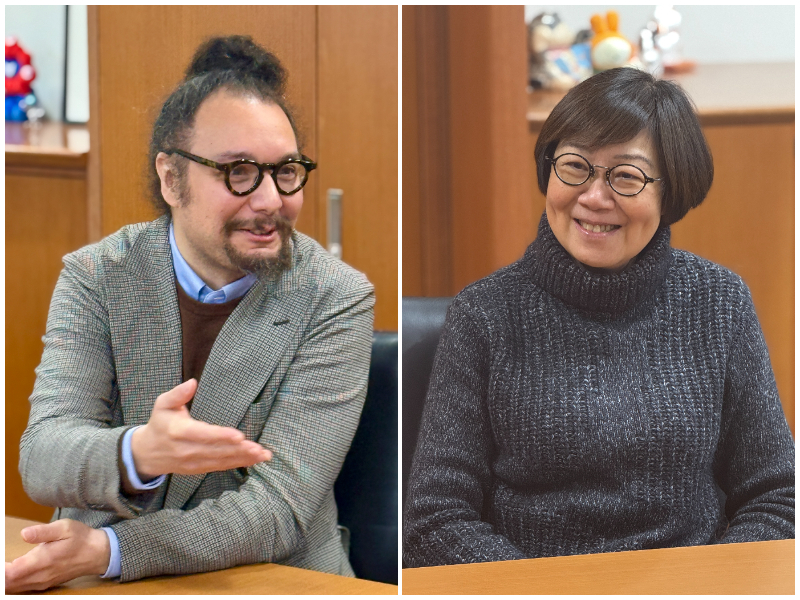
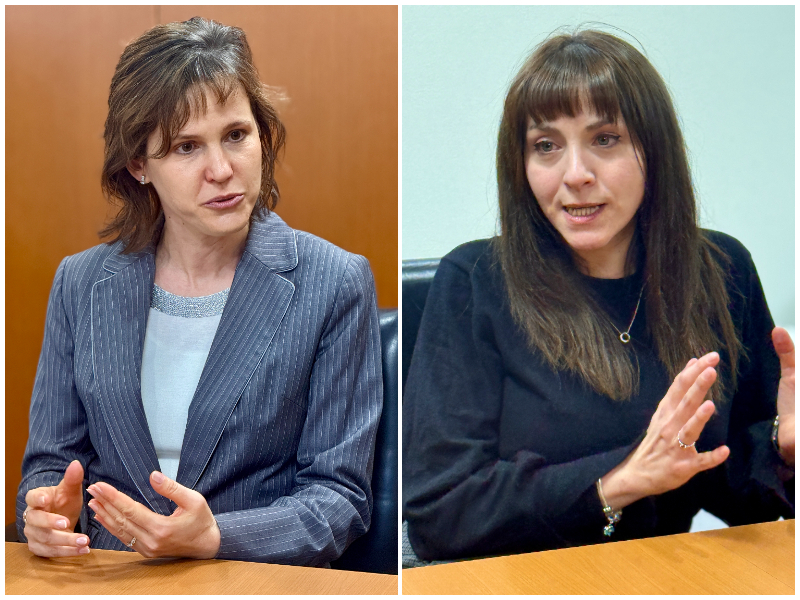
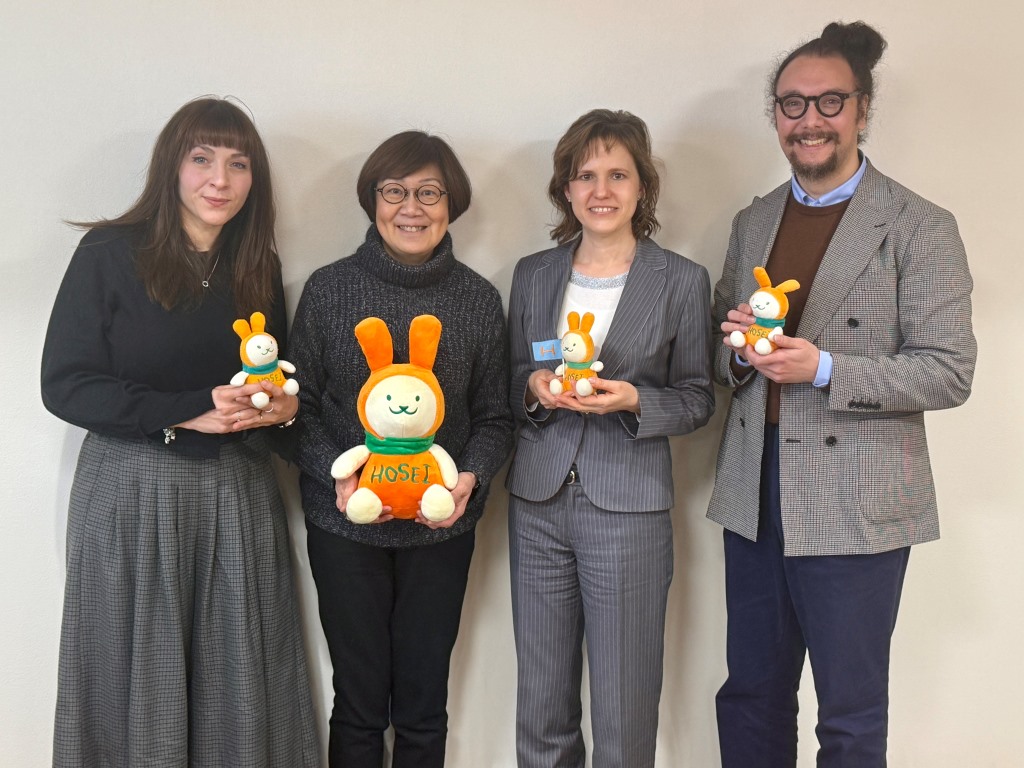
私は、自分よりはずっと若いものの、海外でのバックグラウンドという点では共通点のある3人の教員と腰を据えて、日本で教える経験について話をしました。そこで強く感じたのは、時代が大きく変わったこと、そしてこうした教員たちから学ぶことで、学生がどれほど多くの恩恵を受けているかということでした。
うれしいことに、私の時代と比べると、その教員たちが教える内容や大学に対してできることについての制約は、はるかに少なくなっているように感じられます。専門分野の授業であれ語学の授業であれ、その教員たちは学生に対して、自らのステレオタイプを見直し、当たり前だと思っていることを問い直すよう促し、その結果として、視野を広げることにつながっています。同時に、それぞれの教員は自身の経験を踏まえ、海外で学ぶことに不安を感じている学生たちの気持ちにも寄り添っていました。助言は実にシンプルです――まずはやってみて、それから考え直せばいい。私たちも皆、そうしてきました。そして今では、日本を「ホーム」と呼んでいます。たとえそれが唯一のホームではないとしても。
私はよく「どの言語で夢を見るのか」「どんなアイデンティティをもっているのか」、そして最終的には「どこを故郷と呼ぶのか」と尋ねられます。これらはいつも、簡単には答えられない問いだと感じます。もし私が「香港出身です」と言ったら、それは私について何を語ることになるのでしょうか。私は香港で過ごした年月よりも長く、日本で暮らしてきました。しかも、私が香港を離れたとき、香港はまだイギリスの植民地でしたが、今では中国の一部となっています。議論の中である教員が指摘したように、去った当時に思い描いていた「ホーム」は、必然的に変化していくものなのです。実際、文化理論家・社会学者の Stuart Hallはかつて、「帰るべきホームなど存在しない」と述べています。
「非帰属(non-belonging)」も、議論の中で浮かび上がった重要なキーワードでした。それは、どの文化や国家にも完全には属さないという感覚ですが、ある意味では、どこにでも属しているという捉え方もできると感じました。そもそも、完全な帰属などあり得るのでしょうか。これと密接に結びついて語られたのが、私たちが自らをどう位置づけ、どこに結びつくのかという点における「流動性」という考え方でした。グローバル化した現代社会において、海外に行ったことがない人や、短期間しか海外経験のない人たちにも、「ホーム」や「アイデンティティ」について、もう一歩踏み込んで考えてみてほしいと思います。「非帰属」や「流動性」、そしてしばしば急激に起こる変化への認識は、私たちの違いを相対化し、その違いを越えてつながることを可能にしてくれると、私は信じています。
念のために付け加えると、私たちは日本語で話していました――私たち全員が共有している、二つの言語のうちの一つです。
Professors who hailed from overseas
I sat down to talk with three professors—much younger than I am, but otherwise similar in our overseas backgrounds—about their experiences teaching in Japan. I was struck by both how much things have changed and how much students benefit from having these professors in the classroom.
I am happy to report that, compared to my time, there appear to be far fewer constraints on what they teach and on their contributions to the university. Whether teaching within their own fields of specialization or in language courses, they challenge students to examine their stereotypes, question what is taken for granted, and, in doing so, broaden their perspectives. At the same time, drawing on their own experiences, they expressed empathy for students who feel anxious about the prospect of studying overseas. Their advice was simple: give it a try, and then reassess. We all gave it a try, and we now call Japan home—even though it may not be our only home.
I am most often asked what language I dream in, what identity I have, and, ultimately, where I call home. I always feel these questions demand complex answers. What if I say, “I am from Hong Kong”? What does that tell you about me? I have lived in Japan longer than I lived in Hong Kong. Moreover, Hong Kong was still a colony when I left, but it has since become part of China. As one of us noted, “home,” as we understood it when we left, inevitably changes. Indeed, cultural theorist and sociologist Stuart Hall once wrote that “there is no home to return to.”
“Non-belonging” was another key term that emerged—an idea of not fully belonging to any one culture or nation, and perhaps, in a sense, belonging everywhere. After all, can there ever be complete affiliation? Closely related was the notion of fluidity in how we identify and affiliate. In this globalized society, I would also like to invite those who have never been overseas, or who have only spent brief periods abroad, to reflect more deeply on the ideas of home and identity. I believe that concepts such as “non-belonging,” “fluidity,” and an awareness of often drastic change can help relativize our differences and allow us to connect across them.
Just in case you are wondering, we spoke in Japanese—one of the two languages shared among us.