公と私
何年も前のことですが、特別な支援を必要とする子どもの世話をしている同僚に、ある程度の配慮を認めてはどうかと話題にしたところ、別の同僚から「それはプライベートな問題で、私たちが関与すべきことではない」という反応が返ってきました。同じようなことは、家庭の事情を抱えているように見える学生に配慮を求めたときにもありました。それはその学生の「プライベートな問題」だというのです。そうしたやり取りの中で、現在では「発達障害」と理解されていることも、当時は「個人的な問題」、あるいは「欠陥」として受け止められており、特別な配慮の対象とは見なされていませんでした。
私はこうした反応に違和感を覚えましたが、若手教員だった当時、適切に言い返すことができませんでした。私が社会学を学び始めた頃の重要なテーマの一つは、「公/私」という区分への批判的な問いでした。たとえば、「理想的な労働者」のイメージは、仕事への全面的な献身だけでなく、その人の生活の残りの部分――いわゆる私的領域――が、誰かの無償労働によって支えられているという前提の上に成り立っていることを学びました。また、家族という私的領域の中で起こる暴力のような社会問題が、この区分によって見えにくくされてきたこと、そしてそれが私的領域で起こるにもかかわらず、被害者の公的な生活に深刻な影響を及ぼしていることも学びました。
「公/私」の区分を問い直すことは、プライバシーを否定することではありません。私自身が手術を受けたとき、そのことを周囲に伏せてくれたスタッフには感謝しています。一方で、病気を抱えていても働き続けることができるという認識を広める助けになるのであれば、その事実が知られること自体には抵抗はありませんでした。実際、大学も現在ではそのような働き方を制度として認めています。病気や私的な事情をあくまで非公開にしておきたい人もいるでしょうし、その選択は尊重されなければなりません。
重要なのは、制度のあり方を変えることです。公的領域と私的領域がきれいに分けられるという誤った前提に基づくのではなく、両者がいかに深く相互に結びついているかを認識した制度へと改めていく必要があります。男女を問わず、ケア労働のための柔軟な時間の使い方を認める取り組みは、その一例です。
しかし、こうした取り組みはしばしば、「支援を必要とする人たち」(女性や社会的マイノリティなど)への「支援」という捉え方で語られます。私はこの捉え方に、以前から違和感を覚えてきました。一見すると「支援」に見えるこれらの施策は、実のところ支援そのものではありません。最初の制度設計に偏りがあったために必要となった「修復」の作業なのです。制度を整えることで、個人が自ら選択できる余地が生まれます。たとえば、ケア労働を担うすべての人が必ず介護休暇を取らなければならないわけではありません。取ることも、取らないことも選べる――選択肢が実質的に存在することが最も重要です。
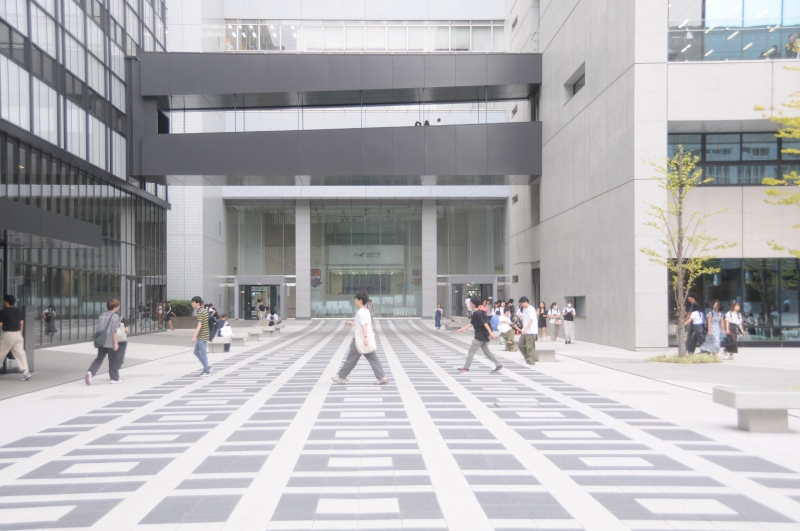
同じような論理は、建物にも見て取ることができます。エレベーターやスロープのない建物は、車椅子利用者や、高齢やけがによって移動に困難を抱える人たちを想定せずに設計されています。しかし、エレベーターやスロープがあっても、階段を使いたい人がそれを選ぶ自由が失われるわけではありません。
The Public and the Private
Many years ago, when I brought up the issue of giving latitude to a colleague who had to care for a child with special needs, another colleague commented that it was a “private” issue that should not concern us. I received the same response after asking for latitude for a student who seemed to be dealing with family issues. It was his “private” issue. Even what is now understood as a “developmental disorder” was considered a “personal concern,” or worse, a “defect” that did not require special consideration.
I felt uncomfortable with these responses, but as a junior faculty member, I failed to issue an appropriate response. My early experience learning sociology began with a critical inquiry into the “public/private” split. For example, I learned how the image of the “perfect worker” was characterized not only by total commitment to work, but also by the assumption that the rest of the worker’s life—the “private” matters—was taken care of by somebody’s unpaid labor. I also learned how this concept has kept us from seeing social problems such as violence that occurs within the private sphere of the family, even though it profoundly affects victims’ lives in the public sphere.
Questioning the “public/private” split does not mean denying privacy. When I underwent surgery, I appreciated the staff who kept it to themselves. At the same time, I did not mind its being known if that helped create awareness that people with illness can continue to work, which the university now provides for. There may be others who prefer to keep illness or other private matters private, and we need to respect that.
The point is to ensure that our policies are not predicated on the false assumption that public and private spheres are neatly separable, but instead recognize how deeply interconnected they are. Our efforts to provide flexible time for care work for both female and male employees are a case in point.
Unfortunately, these efforts are frequently couched in terms of “support” for “those in need” (such as women, social minorities, and so on). I have always felt uneasy about this framing. These measures may appear to be “support,” but fundamentally they are about fixing an imperfect system. Because the original design was biased, repair work is necessary. By improving institutional arrangements, individuals are able to make genuine choices. For example, it is not required that everyone doing care work take care leave. What matters is that one has the choice to do so—or not. That is the most crucial point.
A similar logic can be seen in buildings. A building designed without elevators or slopes reflects a failure to imagine wheelchair users and people whose mobility is affected by age or injury. At the same time, the presence of elevators or slopes does not prevent anyone from choosing the stairs.