

Tomoya(2024年度入学/出身高校:法政大学第二高等学校)
■今回のインタビュー項目
Q. GISのここが好き!を教えてください。
Q. なぜGISに入学しようと思いましたか。
Q. GISに実際に入ってみてイメージと違っていたこと、予想外だったことは何ですか?
Q. 課題の量はどのくらいですか。
Q. 興味のある分野や印象に残っている講義を教えてください。
Q. ゼミの様子を教えてください。
Q. 普段の講義の様子を教えてください。
Q. 教員との距離について教えてください。
Q. 課外活動の様子や講義との両立について教えてください。
Q. どのようなアルバイトをしていますか。
Q. 普段の友人との会話は英語ですか?
Q. 講義外で力を入れていることがあれば、教えてください。
Q. 現在考えている進路と、その理由について教えてください。
Q. 興味のある業界と、その理由を教えてください。
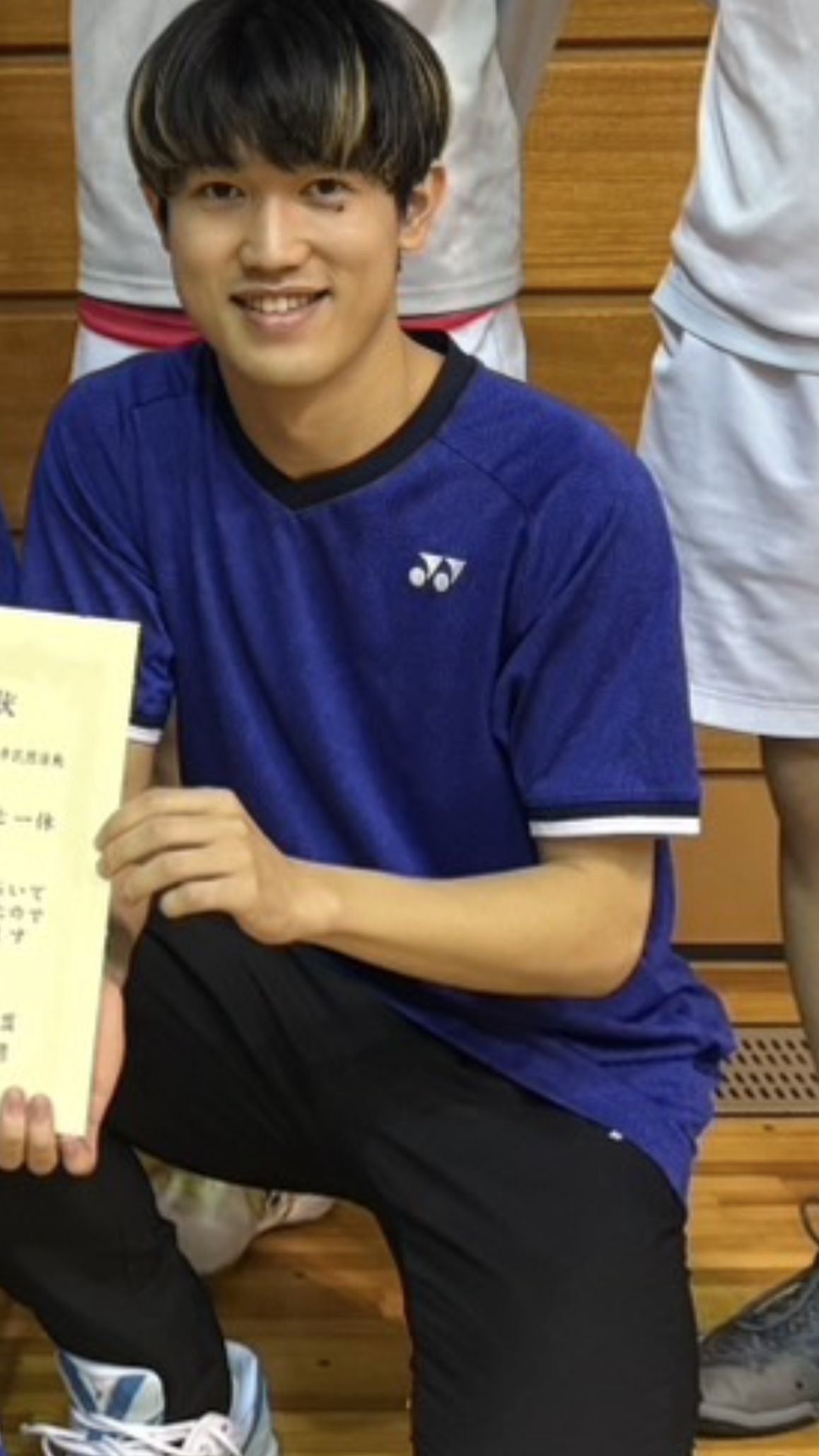
Q. GISのここが好き!を教えてください。
講義の形式と雰囲気がとても魅力的です!一般的な大学の講義というと、大教室で、大人数でというのを想像すると思います。しかしGISの講義は少人数である上に、ディスカッションや発言などが多く求められるような講義がほとんどです。そのため雰囲気がアットホームであるのに加えて、積極的に講義に参加することができ、大学での学びをより深めることができると身をもって感じました。
I really like the class format and the overall atmosphere. When people think of university lectures, they might imagine large lecture halls filled with lots of students. However, most GIS classes are relatively small and have a lot of discussions and student participation. This creates a friendly and welcoming atmosphere where everyone has the opportunity to share their opinions. From my own experience, I feel that being actively involved in class makes learning much more engaging and meaningful.
なぜGISに入学しようと思いましたか。
GISを志望した理由は二つあります。一つ目は、英語を学ぶだけでなく、英語で専門的な内容を学べる環境に魅力を感じたからです。二つ目は、幅広い分野を学びたかったからです。高校3年生の時点では専攻したい分野が明確に決まっていなかったため、経営や社会、文化などを幅広く学びながら、自分の興味を深めたいと考えました。また、幼少期に培った英語力を維持したいという思いもあり、この二つを実現できるGISへの入学を決めました。
There were two main reasons why I chose GIS. First, I was attracted to the opportunity to study different academic subjects in English, rather than simply learning English itself. Second, I wanted to explore a wide range of fields. When I was in my final year of high school, I had not yet decided what I wanted to specialize in at university. I wanted to study various subjects, such as business, society, and culture, and gradually discover my own interests. I also wanted to maintain the English skills I had developed during my childhood, and GIS offered the perfect environment to achieve both of my goals.
Q. GISに実際に入ってみてイメージと違っていたこと、予想外だったことは何ですか?
講義内だけでなく、講義外でも英語を使う機会があるということです。英語を使うのは講義中だけだと思っていましたが、友人との会話やグループワークなど、日常生活でも英語を使う機会が多いことです。特に、講義で一緒になった友人と課題について話し合うこともあり、自然と英語を使う環境が整っていると感じました。
I was surprised by the fact that there are many opportunities to use English outside the classroom. Before entering GIS, I thought I would mainly use English during lectures. However, I also get to use it in everyday situations, such as talking with friends and working on group assignments. For example, I sometimes discuss assignments with friends I meet in class, which gives me more opportunities to use English naturally. I realized that GIS provides an environment where English becomes a part of students’ everyday life.
Q: 課題の量はどのくらいですか。
講義によって量は変わりますが、予習や復習の時間を入れると1科目週に2時間ぐらいかかると思います。さらに中間や期末に入ると課題やテストが増えますので、そこは対策次第ではとても時間がかかると思います。大学生になると、やはり教授から強制される課題は少なく、ある分野での学びの深さは学生一人一人の意欲によって大きく左右されると思います。講義の成績のためにやる課題は必ずしもとても多いわけではありませんが、その講義の分野をより深く知り、学びを深めたいのであれば、もっと時間がかかると思います。
It depends on the class, but I would say that each subject takes around two hours per week, including preparation and review. Of course, the workload increases around midterms and final exams, so the amount of time you need to spend really depends on how well you prepare.
One thing I have noticed about university life is that professors generally give students more independence rather than constantly reminding them to complete assignments. How deeply you explore a subject depends largely on your own motivation. Overall, the required coursework is not necessarily overwhelming, but if you want to understand a subject more deeply and explore topics beyond what is covered in class, you will naturally need to put in more time.
- 時間割(3年次)
| 月 | 火 | 水 | 木 | 金 | |
| 1限目 | Twentieth Century Film Studies | ||||
| 2限目 | Advanced Comparative Politics | Financial Statement Analysis | |||
| 3限目 | Seminar | ||||
| 4限目 | American History and Society | Global Political Economy | Seminar | ||
| 5限目 |
Q: 興味のある分野や印象に残っている講義を教えてください。
私はメディアに興味があり、特に印象に残っている講義は「Asian America」です。この講義では、アメリカ社会におけるアジア系住民の歴史や人種差別について学びました。また、映画やテレビなどのメディアでアジア人がどのように描かれてきたのか、そこにあるステレオタイプについても考えました。特に印象に残っているのは、映画の中での何気ない人物描写にも、社会に根付いた固定観念が反映されているということです。この講義を通じて、普段何気なく見ている映画やメディアも、異なる視点から見ることで新たな発見があると感じました。
I am particularly interested in media, and one class that left a strong impression on me was “Asian America”. In this class, we learned about the history of Asian Americans in the United States and issues surrounding racial discrimination. We also explored how Asians have been portrayed in movies and other forms of media, as well as the stereotypes behind those portrayals.
What stood out to me most was realizing that even seemingly minor character portrayals in movies can reflect stereotypes that are deeply rooted in society. This class taught me that looking at movies and other forms of media from different perspectives can reveal things I might not have noticed before.
Q: ゼミの様子を教えてください。
現在はGlobal Strategic Management というゼミに所属しています。ゼミでは名前の通り国際的な経営戦略を学んでおります。講義は基本的には学生主体で行い、教授は全体を見守り必要に応じて助言してくれるスタイルです。春学期はグループに分かれてプレゼンとディスカッションを行い経営の基礎をインプットします。一方秋学期では、春学期で学んだ知識を最大限活かしてマーケティングコンテストに向けて活動を行っております!
I am currently part of the Global Strategic Management seminar. As the name suggests, we study international business strategies.
The seminar is mainly student-led. The professor observes our discussions and steps in with advice when necessary. During the spring semester, we work in groups on presentations and discussions to build our understanding of business fundamentals. In the fall semester, we put what we learned into practice and work toward participating in a marketing competition called the MCJ.
Q: 普段の講義の様子を教えてください。
教授によって講義の進め方のスタイルが違いますが、基本的には、教授が最初の30分程度説明などのインプットの部分を行い、そのインプットした情報によって、学生同士がグループに分かれてディスカッションを行うというスタイルがGISでは一般的だと思います。講義は真面目に聞いている子が多い印象である一方で、ディスカッションの時間もしっかりと発言や、議論を積極的に行う学生が多く、メリハリがついていると思います。
The teaching style varies depending on the professor, but I would say that a typical GIS class starts with around 30 minutes of lectures or explanations from the professor. After that, students usually work in groups and discuss topics based on what they have learned. Most students seem quite focused during lectures, but when it comes to discussions, many are also willing to actively share their opinions and exchange ideas. I think there is a good balance between listening and participating in class.
Q: 教員との距離について教えてください。
教授との距離はとても近いと思います。少人数講義であるため、教授が一人一人の学生に寄り添ってくださいます。具体的にはディスカッションの際にグループごとに教授が話し合いの様子を見に行ったり、アドバイスや問題のヒントをあげたりするなど、常に学生とコミュニケーションが取れていると思います。それに加え、講義内の発言に対するアドバイスなどにも時間が取れるため、他学部の講義と比べて距離が非常に近いと感じます。
I feel that the relationship between students and professors is very close. Since GIS classes are relatively small, professors have more opportunities to interact with each student individually.
For example, during group discussions, professors often walk around the classroom, check how each group is doing, and offer advice or hints when needed. They also take the time to give feedback on students' comments and opinions during class. Compared to what I have heard about lectures in other faculties, I feel that GIS offers a much closer relationship between students and professors.
Q: 課外活動の様子や講義との両立について教えてください。
私はバドミントン同好会'72に所属しています。練習は週1回程度で、ほとんどが自由参加ですが、同学年の友達や先輩方と外部の体育館を借りて練習をすることが多々あり、練習は週2回程度行い大会入賞を目指しています。講義や課題もある中、私はメリハリをつけて練習に参加しています。具体的には、講義に支障が出ないようにしています。例えば次の日が一限であれば夜の練習を避け、午前中に行くなど工夫しています。
I’m a member of the badminton club. We have official practice once a week, but since attendance is mostly optional, I also arrange extra practice sessions with friends and older members by renting courts at nearby gyms. Altogether, I usually practice about twice a week. We take part in competitions and practice hard to get good results.
Balancing badminton with classes and assignments can be challenging at times, but I try to manage my schedule so that I can make time for both. For example, if I have an early class the next morning, I try to avoid practicing late at night and instead practice earlier in the day. I enjoy being involved in badminton while keeping up with my studies.
Q: どのようなアルバイトをしていますか。
アルバイトは大学1年生の時に塾講師と飲食店を掛け持ちしていましたが、今は飲食店だけです。塾講師は固定シフトということもあり、講義やサークルとの兼ね合いが難しい一方で、飲食店はその点においてはとても融通が利きやすく、自分のやりたいことと両立できると感じます。GISは特に周りに比べて珍しいアルバイトをしている人が多いので聞いてみるとおもしろいと思います。
During my first year, I worked part-time as both a cram school tutor and at an Izakaya bar. Now, I only work at the Izakaya bar.
Working as a tutor was sometimes difficult to balance with classes and club activities because I had fixed shifts. On the other hand, my Izakaya job offers more flexible scheduling, which makes it easier to balance work with other activities.
I also think GIS students have quite a wide variety of part-time jobs, so it can be interesting to ask your classmates what kind of part-time job they had.
Q: 普段の友人との会話は英語ですか?
サークルや高校からの友人との会話は日本語です。一方でGISの友達との会話は英語である時が多いです。もちろん日本語でも喋ります。何年も学ぶ上で、やはり英語力向上はアウトプットに限ります。私には高校から同じで一緒にGISに入った友達がおり、その子は日本語が第一言語ながら僕と英語をよく話し、気づけば流暢になっていました!他の学部ではできない経験なのでみなさんも入ったらぜひ友達と英語で喋ってきてください。
I usually speak Japanese with my club members and friends from high school. However, I often speak English when I am with my GIS buddies. Of course, we also speak Japanese as well.
After studying English for so many years, I have come to realize that using it in conversations is one of the best ways to improve it. I have a friend who has been with me since high school and also joined GIS. Although Japanese is his first and only native language, we often speak English together, and I have noticed how much more fluent he has become over time!
This is a unique opportunity that you might not get in other faculties, so I definitely encourage new GIS students to try speaking English with their friends!
Q: 講義外で力を入れていることがあれば、教えてください。
今振り返ってみるとサークルをはじめ、バドミントン活動に特に力を入れていました!中学校から続けており、娯楽でもある一方でしっかり練習して結果を出したいという思いで練習に励んでおります。講義や課題との両立は大変でしたが、充実していたと思います!このようにGIS生はサークルはもちろん、部活動をやられている人も多いので、決して勉強だけの学部ではないです!!みなさん課外活動もしっかり充実している印象です。
Looking back, I would say that I have put the most effort into badminton and my club activities. I have been playing badminton since middle school, and although it is something I do for fun, I also want to improve my skills and achieve good results in competitions. That is why I continue to practice seriously over time.
Balancing badminton with classes and assignments was sometimes challenging, but it also made my university life very fulfilling. I think it is important to know how to balance your studies with other activities.
GIS students are involved in all kinds of extracurricular activities, including sports clubs and other student organizations. It is definitely not a faculty where students focus only on academics!
Q: 現在考えている進路と、その理由について教えてください。
大学卒業後は就職を考えております。もちろんGIS生は卒業してから大学院に行く人も多いですが、大学で幅広い分野を学ぶ中で、今後は実社会で経験を積みたいという思いが強くなりました。大学で得た知識を実際の仕事でどのように生かせるのかを学びながら、様々な人と関わり、自分自身の視野や可能性を広げていきたいと考え、就職を選びました。
I am currently planning to start working after graduation. Of course, many GIS students choose to continue their studies in graduate school, but after studying a wide range of subjects at university, I have become increasingly interested in gaining practical experience in the real world.
I want to learn how I can apply the knowledge I have gained at university to actual work, while meeting and working with people from different backgrounds. I believe that gaining experience in a professional environment will help me broaden my perspective and discover new possibilities for myself.
Q: 興味のある業界と、その理由を教えてください。
現在興味のある業界は、商社とメーカーです。商社は、世界中の企業や人々をつなぎ、幅広い事業を通じて人々の生活を豊かにするという点に魅力を感じています。メーカーは、日本の優れた製品や技術を世界に届け、人々の生活を支えられる点に惹かれています。どちらの業界も英語を使いたいという思いがあり、4年間のGISで培った英語力や異文化への理解を生かし、将来は日本の製品や事業を海外に広める仕事に携わりたいと考えています。
I am currently interested in the trading and manufacturing industries. I am attracted to the trading industry because it connects companies and people around the world and creates new opportunities through a wide range of businesses, ultimately helping improve people's lives.
As for the manufacturing industry, I find it appealing because it allows me to bring Japan's high-quality products and technologies to the world and contribute to people's everyday lives.
In both industries, I see opportunities to use English, which is something I would like to do in my future career. I hope to make use of the English skills and cross-cultural understanding I have developed over my four years at GIS and eventually work in a role that helps bring Japanese products and businesses to international markets.