

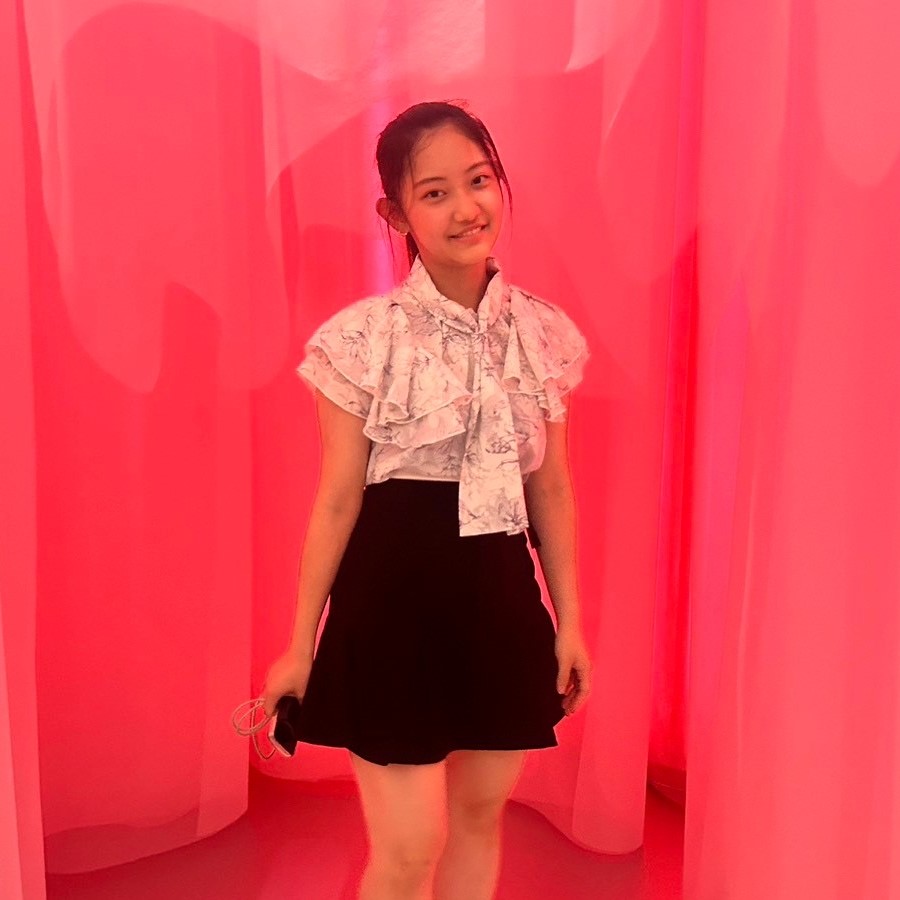
Hinano(2024年度入学/出身高校:国際基督教大学高校)
■今回のインタビュー項目
Q. なぜGISに入学しようと思いましたか。/Why did you want to attend GIS?
Q: 課題の量はどのくらいですか。/ How much homework do you have?
Q. 普段の授業の様子を教えてください。/What does a normal class look like, for you?
Q. 教員との距離について教えてください。/ How are the teachers? What is your relationship with them like?
Q. 現在考えている進路と、その理由について教えてください。/What career path are you considering, and why?
Q. 興味のある業界、その理由を教えてください。/What industries are you interested in, and why?
Q. なぜGISに入学しようと思いましたか。/Why did you want to attend GIS?
これまでの国際経験を活かしつつ、将来の夢に近づける大学で学びたいと考えていました。具体的に、「英語で」「多様なバックグラウンドを持つ仲間と共に」「特定の分野にとらわれず」「様々な視点から物事を考えられる人になる」と志しておりました。そんな中、GISでは、幅広い分野の授業がすべて英語で開講されており、日本にいながらまるで海外の大学に留学しているかのような大学生活が送れると思い、入学を決めました。
I wanted to attend a university where I could make the most of my international experiences, such as living and studying in the UK, while also getting closer to my future goals and dreams. Specifically, I aspired to become someone who can approach concepts from various perspectives, and not be confined to a single field of study. Also, I wanted to be surrounded by friends from diverse backgrounds, and be in an environment where only English is used. GIS met all of my expectations as it has a wide range of courses that are taught entirely in English, allowing me to experience a university life that feels almost as if I am studying abroad. That's why I decided to enroll in GIS.
Q: 課題の量はどのくらいですか。/ How much homework do you have?
課題の量や所要時間は授業によって異なります。ほぼ全ての授業でリーディング教材を使った予習が求められ、その確認テストの勉強や、ディスカッションに備えて自分の意見をまとめる作業もあります。授業後の提出課題は少ないですが、3週間ごとにレポート課題が出る授業もあるほか、テストに向けて日々の復習も欠かせません。課題の量やテストの形式、そして自分のスケジュールを考慮しながら時間割を組み立てることが大切です。
The amount of assignments and the time required to complete them vary depending on the class. For almost all classes, you need to read the assigned materials in advance. Additionally, you’ll need to prepare for quizzes or organize your thoughts for in-class discussions. While there aren't many post-class assignments, some classes require a report every three weeks, and it is essential to do a regular review of class materials for exams. You really have to think about your workload, in-class activities, and exam formats when organizing your schedule.
Q: 普段の授業の様子を教えてください。/What does a normal class look like, for you?
授業によって異なりますが、全体的に双方向型のアクティブな授業が多いです。GISでは最大36人という少人数体制の中で、教授が講義をしながら学生に質問を投げかけたり、ディスカッションの機会を与えたりする授業が多いです。そのため、授業中は常に頭を働かせて考え、積極的に参加するスタイルです。また、授業には留学生が参加していることも多く、様々な考え方に触れたり、意見を交換したりできる点も魅力の一つです。
It varies by class, but overall, most classes at GIS are highly interactive. Unlike the typical university lecture format, GIS classes are held in smaller groups of up to 36 students. Professors frequently ask questions and provide opportunities for discussions during lectures, making it a more engaging experience. As a result, we are encouraged to actively think and participate throughout all of our classes. Additionally, many classes include exchange students, allowing us to encounter diverse perspectives and exchange ideas, which is one of the key attractions about being a student at GIS.
Q: 教員との距離について教えてください。/ How are the teachers? What is your relationship with them like?
教授は学生との対話をとても大切にしてくれます。授業内ディスカッションも多く、授業外でも時間を割いて、どんな質問や相談にも親身に対応してくれます。さらに、名前を覚えて、よく話しかけてくれるなど、学生との距離が近く感じられます。教授の皆さんは、その分野に対する情熱を持って楽しそうに授業をしており、学生思いな方々ばかりです。そうした環境のおかげで、毎回授業を受けるのがとても楽しみです。
One of my favorite things about GIS is the close communication between professors and students. Many classes are conducted in an interactive format, and professors take the time to answer any questions or concerns we have, even outside of class. They also remember our names and often engage with us, which creates a very welcoming atmosphere. The professors are passionate about their subjects and are enthusiastic teachers, making attending every class something I genuinely look forward to.
Q. 現在考えている進路と、その理由について教えてください。/What career path are you considering, and why?
正直なところ、現時点では大学卒業後の明確なプランは立てていません。GIS在学中に、在外公館派遣員制度やその他の業界のインターンシップ活動を通じて、その職業に必要な知識やスキルがしっかりと身につくと感じられたら、卒業後に就職を考えています。一方で、より専門的な知識や経験が必要だと判断した場合は、卒業後に大学院に進学して学びを深めたうえで、就職を目指したいと考えています。
To be honest, I don’t have a specific plan for after graduation at the moment. During my time at GIS, I plan to participate in the overseas diplomatic establishment dispatch program and other internship opportunities. If I feel that I’ve gained the necessary knowledge and skills for a specific job, I’ll consider entering the workforce after graduation. However, if I determine that I need more specialized knowledge or experience, I’ll pursue further education in graduate school before starting my career.
Q. 興味のある業界、その理由を教えてください。/What industries are you interested in, and why?
私の将来の目標は、語学スキルを活かして正確に日本を発信し、外国を日本に伝える「架け橋」のような存在になることです。具体的にはまだ模索中ですが、国際ジャーナリストや外交官を志望しています。私は語学が趣味であることからも、これを活かした職業に就きたいと考えています。多言語話者として、言葉の意味やニュアンスを深く理解し、単なる情報の伝達に留まらず、異文化理解の助けとなる役割を果たしたいです。
In the future, I want a role where I can build bridges, for example by accurately transmitting information about Japan to the world and bring foreign information back to Japan. While I haven't yet decided on a specific career, I’m considering becoming an international journalist or a diplomat. I’ve always been captivated by the power of language, and since language learning is also my passion, I want to pursue a career that leverages these skills. As a polyglot, I aim to deeply understand the meaning and nuances of language, not just to convey information, but also to help foster intercultural understanding.